United States Strategy to Drug Cartels in Mexico Explained
 admin001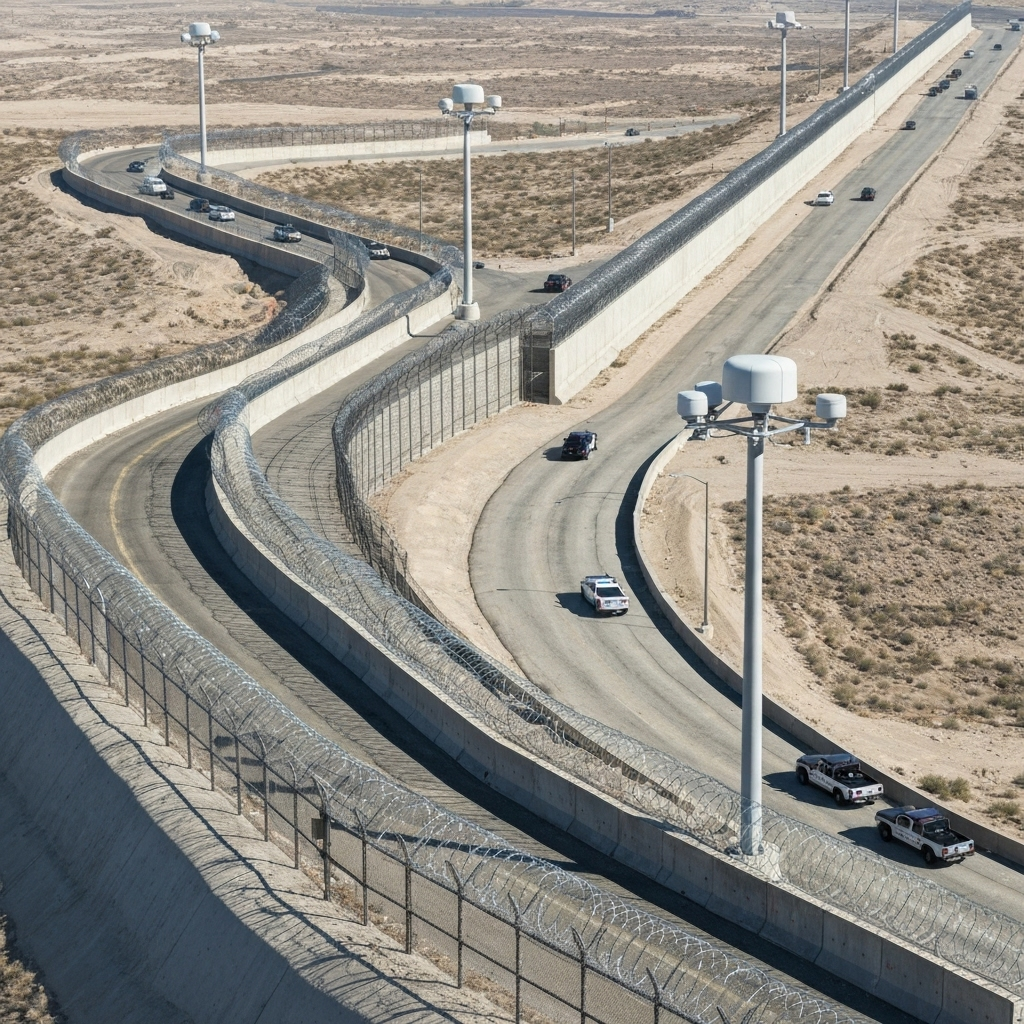
Key Highlights
Here’s a quick look at the United States' evolving strategy against Mexican cartels:
- The U.S. is shifting toward more aggressive tactics to combat drug trafficking from Mexico.
- Recent strategies include designating some Mexican cartels as Foreign Terrorist Organizations (FTOs).
- There is an ongoing debate about using U.S. military force directly against these criminal groups.
- Current efforts blend traditional law enforcement cooperation with intelligence sharing and border security.
- Experts argue that military action alone is insufficient and carries significant risks for U.S.-Mexico relations.
- A comprehensive approach targeting both supply and demand is seen as essential for long-term success.
Introduction
The relationship between the United States and Mexico is deeply intertwined, especially when it comes to the complex issue of drug trafficking. For decades, both nations have grappled with the power of drug cartels, but the strategies to combat them are changing. The U.S. is now considering more forceful measures than ever before. Are these new tactics the answer to a long-standing problem, or do they pose new risks? This blog explains the evolution of the U.S. strategy and what it means for both countries.
Overview of Drug Cartels in Mexico
When you think of Mexican cartels, the drug trade is likely the first thing that comes to mind. However, these criminal organizations have grown far beyond trafficking. They are deeply involved in extortion, illegal mining, human smuggling, and have even infiltrated legal businesses to launder money.
The increasing power and militarization of these groups have forced a shift in U.S. policy. As cartels adopt military-grade weapons and tactics, American policy approaches have moved from traditional law enforcement to treating these organized crime syndicates as national security threats, prompting more aggressive considerations.
Major Cartel Groups Operating in Mexico
Several powerful Mexican cartels dominate the landscape of organized crime, but a few stand out for their reach and influence. The Sinaloa Cartel and the Cartel Jalisco Nueva Generación (CJNG) are considered the two most dominant, responsible for the majority of fentanyl being trafficked into the United States. These groups operate like multinational corporations with complex global supply chains.
Unlike previous approaches that focused mainly on arresting leaders, current U.S. strategies increasingly target the entire operational structure of these groups. This includes their financial networks and international supply chains for precursor chemicals. Often sourced from China and India. The goal is to dismantle the business, not just remove the CEO.
Below is a look at some of the key players in Mexico's criminal landscape.
| Cartel Name | Key Activities |
|---|---|
| Sinaloa Cartel | A dominant force in drug trafficking, particularly fentanyl, with deep ties to Chinese chemical suppliers and money laundering networks. Also involved in human smuggling, extortion, and illegal mining. |
| Cartel Jalisco Nueva Generación (CJNG) | Known for mass-producing synthetic drugs like fentanyl in secret factories within Mexico, importing precursor chemicals from global sources, including India and China. |
| Los Zetas | Originally formed by ex-military commandos, this group is known for its extreme violence and operating as a "criminal corporation," though its power has fractured in recent years. |
Impact of Cartel Activity on US-Mexico Relations
The immense power of cartels casts a long shadow over U.S.-Mexico relations. The devastating drug crisis in the United States, fueled by fentanyl trafficked from Mexico, puts immense pressure on both governments to act. This has created a cycle of demand for more cooperation and frequent diplomatic tension.
However, building trust between American and Mexican law enforcement agencies is a major challenge. High-profile cases have exposed deep-rooted corruption within Mexico's government. For example, the U.S. Department of Justice brought cases against a former Mexican Defense Minister and a former Secretary of Public Security for allegedly taking bribes from the Sinaloa Cartel.
This corruption complicates coordination efforts, making U.S. agencies cautious about sharing sensitive intelligence. It creates a difficult environment for the joint operations needed to effectively combat drug trafficking across the border.
Evolution of US Strategy Toward Mexican Drug Cartels
The "drug war" has been a part of the United States' foreign policy for over half a century, but the playbook is changing. For years, the strategy against Mexican cartels was led by law enforcement agencies like the Drug Enforcement Administration (DEA), focusing on investigations and arrests.
Recently, however, there has been a significant shift. The conversation in Washington has expanded to include options once considered unthinkable, such as direct military action. This evolution reflects a growing belief that traditional law enforcement methods alone are not enough to counter the threat these powerful criminal groups pose. Let's look at how we got here.
Early Approaches and Bilateral Cooperation
Early U.S. efforts to fight drug cartels in Mexico were built on the foundation of bilateral cooperation. Programs like the Merida Initiative provided funding and training to Mexican law enforcement agencies. With the goal of strengthening their ability to combat organized crime. The primary tactic used for decades was the "kingpin strategy."
This approach, led by the Department of Justice and DEA. Focused on targeting the heads of drug trafficking organizations. The idea was that removing the leader would cause the entire structure to crumble. This strategy led to the capture of infamous figures like Joaquín "El Chapo" Guzmán of the Sinaloa Cartel.
While these efforts resulted in high-profile arrests and extraditions, their long-term impact was limited. Experience has shown that when one leader is removed, another, often more violent, one quickly rises to take their place. This reality has prompted a search for more effective and lasting solutions.
Key Shifts in US Policy Over the Past Decade
The last decade, particularly during the Trump administration, saw a dramatic shift in U.S. policy. The rhetoric and actions moved from a law enforcement problem to a national security threat. A key move was the official designation of several Mexican cartels as Foreign Terrorist Organizations (FTOs), a step that grants the administration enhanced counterterrorism powers.
This change opened the door to considering military force, a topic that gained serious traction. The administration also used economic pressure, such as imposing tariffs, to push Mexico into greater cooperation against cartels and trafficking. These actions signaled a departure from relying solely on the Drug Enforcement Administration and other agencies.
Deployments of U.S. Northern Command to the southern border and the use of CIA surveillance drones further underscored this new, more aggressive posture. The conversation had officially expanded beyond arrests and into the realm of potential military operations.
Current US Tactics and Programs Targeting Cartels
Today's U.S. strategy for dealing with drug cartels in Mexico is a hybrid model. It still involves law enforcement agencies like the DEA, but it now incorporates significant resources from the Department of Defense and the intelligence community. The focus is on dismantling the cartels' entire operational capacity.
This multi-pronged approach combines financial pressure, intelligence sharing, and support for Mexican security forces with enhanced border security. The goal is to attack organized crime from every angle, making it harder for them to operate. Below, we'll examine some of the specific tactics being used.
Intelligence Sharing and Joint Operations
A cornerstone of the current strategy is close coordination through intelligence sharing and joint operations. The Central Intelligence Agency (CIA) has reportedly used surveillance drones, with the approval of the Mexican government, to gather intelligence on cartel activities. This provides a clearer picture of their networks, production labs, and command centers.
In addition to surveillance, the U.S. military conducts joint training exercises. For instance, the U.S. Army's 7th Special Forces Group has trained with Mexico's elite Naval Marine Corps (SEMAR), a unit with a strong track record in counter-narcotics operations and a long-standing partnership with U.S. law enforcement.
However, this cooperation is selective and careful. Due to concerns about corruption within some parts of the Mexican government, the U.S. often prefers to work with trusted partners like SEMAR to mitigate the risk of intelligence leaks and ensure the effectiveness of joint operations.
Border Security Enhancements and Technological Initiatives
Strengthening the U.S. southern border is a critical component of the strategy to disrupt cartel operations. This involves more than just physical barriers; it includes a significant investment in technological initiatives to monitor and intercept trafficking activities. These efforts are authorized and funded through government measures aimed at enhancing national security.
On the ground, this has meant new deployments by the U.S. Northern Command to support border security forces. In the air, advanced technology plays a key role. The use of surveillance drones provides real-time intelligence on smuggling routes and cartel movements. Allowing law enforcement to be more proactive.
These technological enhancements are designed to make it harder and riskier for cartels to move drugs, weapons, and people across the border. By increasing surveillance and response capabilities, the U.S. aims to choke off the trafficking corridors that are vital to the cartels' business model.
Legislative Actions and Government Measures
The shift in U.S. strategy is not just happening on the ground; it's also being driven by legislative actions and new government measures in Washington. Congress has been actively debating how to best address the cartel threat. With proposals ranging from new sanctions to authorizations for military force.
These debates influence funding allocations, determining which agencies and programs receive the resources to combat cartels. This legislative framework is what empowers the executive branch to take more aggressive steps. Let's explore some of the specific laws and funding discussions shaping this new front in the drug war.
Notable Laws Specifically Targeting Cartel Activity
Several recent legislative and executive actions have been specifically designed to escalate the fight against cartels. These measures provide the U.S. government with powerful new tools that go beyond traditional law enforcement and are intended to cripple the cartels' ability to operate.
The most significant of these was the decision by the Trump administration to designate certain cartels as Foreign Terrorist Organizations (FTOs). This classification is not just symbolic; it unlocks a range of counterterrorism authorities that can be used to target the groups' finances, members, and operations in ways that criminal designations cannot. This has been a key step in addressing the drug crisis from a national security perspective.
Other notable legislative proposals include:
- The "War on Cartels" Bill: Lawmakers like Dan Crenshaw and Mike Waltz have introduced legislation that would grant an Authorization for Use of Military Force (AUMF) against cartels, treating them as enemy combatants.
- Targeting Financial Networks: Legislation consistently aims to strengthen the Treasury Department's ability to sanction individuals and businesses linked to cartel money laundering operations.
Recent Congressional Debates and Funding Allocations
The halls of Congress are a key battleground for shaping the future of the U.S. anti-cartel strategy. Debates are ongoing about the appropriate level of aggression and the best use of American resources. A central point of contention is the proposal to authorize military force against cartels, a piece of legislation that divides lawmakers on its potential effectiveness and risks.
These debates directly impact funding allocations. There has been a noticeable shift in resources, with more funding being directed toward the Department of Defense and intelligence agencies for counter-cartel activities. This reflects the move to treat cartels as a national security threat rather than just a criminal justice issue.
However, U.S. experts point out that one of the biggest challenges is that this cannot be won with force alone. Guadalupe Correa-Cabrera, a professor at George Mason University, argues the current narrative is "misleading" because it ignores deep-seated issues like corruption, the role of U.S. demand for drugs, and the fact that cartels are deeply integrated into the legal economy, making them difficult to isolate and defeat with military tactics. [Source: https://gjia.georgetown.edu/2023/11/21/the-dangerous-narrative-of-the-war-on-cartels/]
Debate Over US Military Involvement
Perhaps the most contentious aspect of the new U.S. strategy is the debate over direct military involvement. The idea of sending U.S. troops to conduct military operations against organized crime on Mexican soil, once a fringe concept, has entered mainstream political discussion, championed by figures like former President Trump.
This potential escalation represents a fundamental change in how the U.S. views the threat from cartels. The question is no longer just if military force should be considered, but how and when it might be used. Let's examine the arguments for and against this controversial approach.
Arguments Supporting the Use of Military Force
Proponents of using military force argue that decades of conventional law enforcement strategies have failed to stop the flow of deadly drugs and that a more drastic approach is needed. They view the cartels not as simple criminals but as hostile, non-state actors waging war on the United States.
The core idea is to use the overwhelming power of the U.S. military to deliver a decisive blow. Former President Donald Trump clearly stated this view: “The cartels are waging war on America, and it’s time for America to wage war on the cartels.” This sentiment is based on the belief that cartels have become too powerful for traditional law enforcement to handle alone.
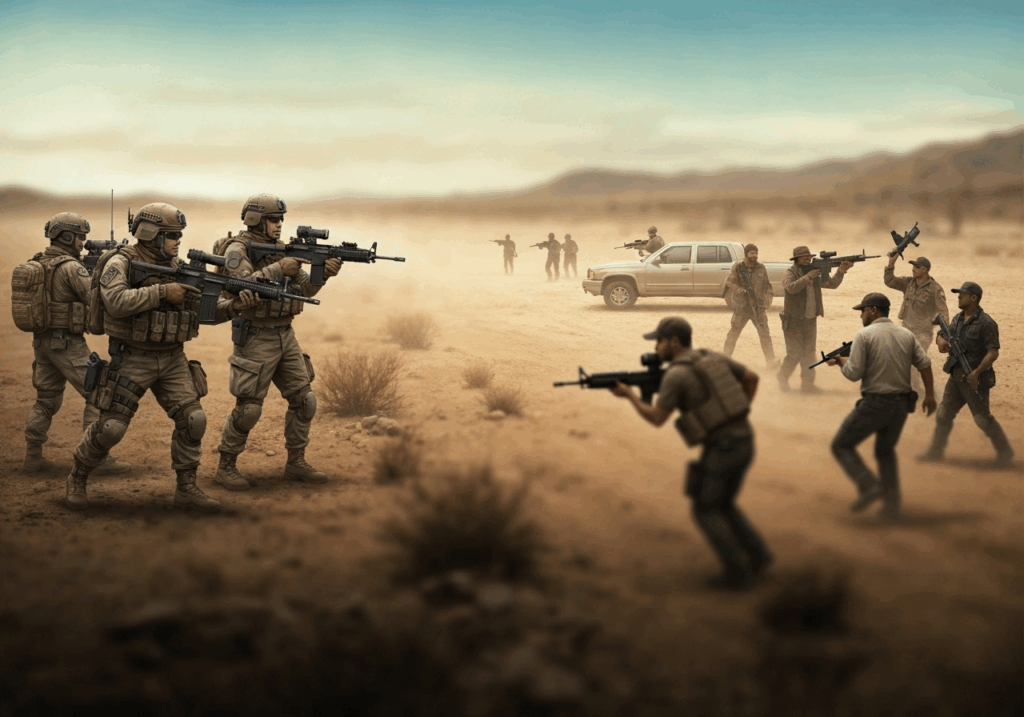
Key arguments in favor of military operations include:
- "Shock and Awe" Campaign: Proponents suggest rapid-strike military campaigns, similar to those used against ISIS, could overwhelm cartel forces, destroy labs and command centers, and eliminate key leaders.
- Disrupting Operations: A military campaign could severely disrupt cartel logistics and enforcement operations, making it impossible for them to function effectively.
- Forcing Concessions: The extreme pressure of a military assault could compel cartels to negotiate an end to their trafficking operations into the U.S.
Risks and Drawbacks Associated with Military Strategies
Despite the potential benefits touted by supporters, the risks associated with military strategies are immense and could lead to devastating consequences. Critics argue that such a move would be a strategic blunder based on a fundamental misunderstanding of the enemy.
The most immediate drawback is the violation of Mexico's sovereignty. A unilateral U.S. military operation would be seen as an act of war, shattering the bilateral relationship with America's largest trading partner. Mexican President Claudia Sheinbaum has been unequivocal, stating, "there will be no invasion. It’s off the table, absolutely off the table." [Source: https://www.wola.org/2020/08/five-reasons-why-trumps-anti-cartel-military-plan-will-fail/]
Other major risks and drawbacks include:
- Civilian Casualties: Bombing campaigns and raids in populated areas would almost certainly result in the deaths of innocent civilians, creating a humanitarian crisis and turning the local population against the U.S.
- Ineffectiveness: Cartels are not standing armies; they are deeply enmeshed in civil society and the economy. Military force is ill-suited to combat an enemy that relies on corruption and profit, not ideology.
- Escalation and Instability: An attack could lead to unpredictable retaliation, further destabilizing the region and potentially leading to a prolonged, unwinnable conflict.
Conclusion
In conclusion, understanding the United States' strategy toward drug cartels in Mexico is crucial for grasping the complexities of international relations and security. The evolution of tactics, from early cooperation to current intelligence-sharing initiatives, underscores the ongoing commitment to combating cartel activity while balancing Mexico's sovereignty. The debates surrounding military involvement reflect the challenges faced in addressing this multifaceted issue. As these strategies continue to evolve, staying informed will be key to recognizing their implications for both nations. If you’re interested in exploring this topic further, don’t hesitate to reach out for a free consultation to discuss how these dynamics affect broader regional stability.
Frequently Asked Questions
How does the US work with Mexico to fight drug cartels?
The United States and Mexico cooperate through intelligence sharing, joint training exercises, and collaborative law enforcement operations led by agencies like the DEA. This partnership aims to dismantle cartel networks and extradite leaders, though it is often complicated by concerns over corruption within Mexican institutions.
What are the main risks if the US escalates its actions against cartels?
Escalating actions, especially with military force, carries huge risks. These include violating Mexico's sovereignty, causing civilian casualties, and destroying the U.S.-Mexico relationship. Experts also warn that military tactics are often ineffective against deeply embedded organized crime networks, which could lead to further instability.
How have recent US strategies respected Mexico’s sovereignty?
While the debate over unilateral military action is a threat to sovereignty, current bilateral cooperation is built on partnership. Joint training and intelligence operations, such as CIA drone flights, have reportedly been conducted with the Mexican government's approval. Mexican President Claudia Sheinbaum has firmly rejected any possibility of a U.S. "invasion."
https://www.nytimes.com/2025/02/18/us/politics/cia-drone-flights-mexico.html
https://www.nytimes.com/2024/02/22/world/americas/mexico-president-drug-cartel.html
https://www.nytimes.com/2023/01/05/world/americas/el-chapo-son-ovidio-guzman-mexico.html
https://www.cbsnews.com/news/mexico-sends-26-cartel-members-deal-trump-administration
https://www.state.gov/foreign-terrorist-organizations
https://www.reuters.com/world/americas/trump-picks-ron-johnson-us-ambassador-mexico-2024-12-11