Essential Protocol in School Shootings for Safety Training
 admin001
Key Highlights
- Establishing clear school shooting protocols is essential for overall school safety.
- The "Run, Hide, Fight" strategy provides a flexible framework for responding to an active shooter.
- Collaboration between schools and law enforcement is critical for effective emergency management.
- Prevention planning, including threat assessment teams, is a vital first line of defense.
- Training must be age-appropriate and trauma-informed to protect student well-being.
- Official resources from the Department of Homeland Security and the FBI offer guidance for creating robust safety plans.
The conversation around school safety has become a national priority. Tragic events have shown that preparation is not just a suggestion but a necessity. Creating a secure learning environment requires a comprehensive approach that goes beyond physical security. This guide explores the essential protocols for responding to a school shooting, from understanding response strategies to implementing effective training. Building a prepared and resilient school community is a collective effort, and knowing the right steps can make all the difference in an emergency.
Understanding the Importance of School Shooting Protocols
When a crisis unfolds, having a clear and practiced plan is your most powerful tool. School shooting protocols provide a structured framework that helps reduce chaos and save lives. These established safety measures guide students and school staff on exactly what to do during an active shooter event, ensuring a more coordinated and effective response.
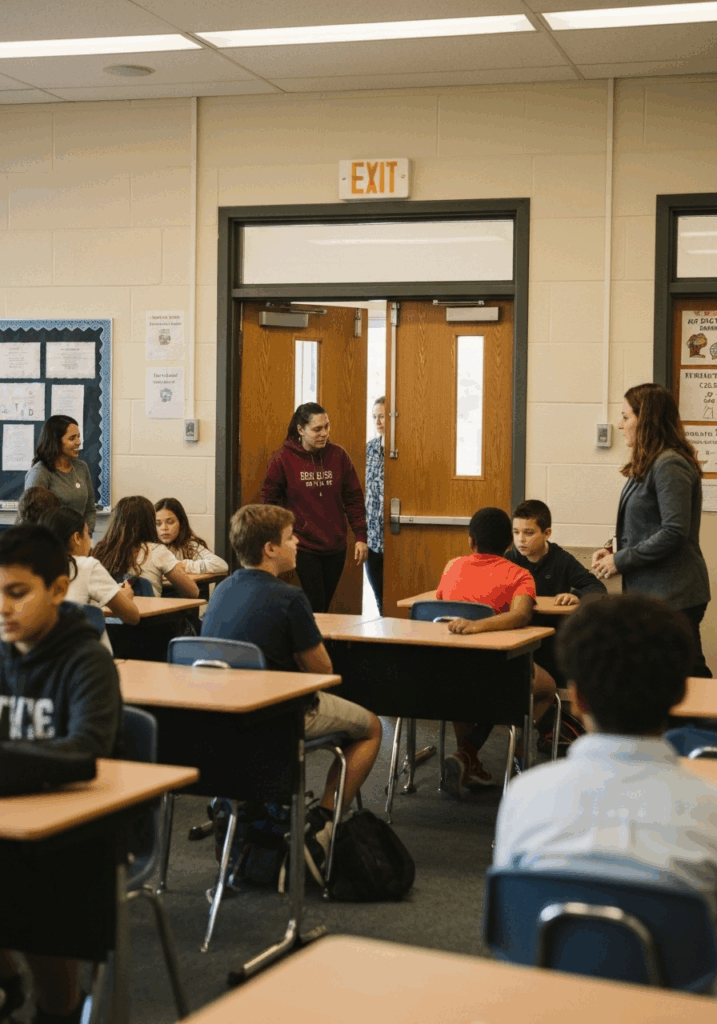
A well-defined protocol transforms fear into focused action. By creating a safe school environment where everyone understands their role, you empower your community to act decisively. What is the standard protocol for students and staff during a school shooting? These plans typically involve lockdown, evacuation, and specific response options.
The Current Landscape of School Safety Concerns
The reality of gun violence on school grounds is a pressing concern for communities across the United States. Data collected over a decade reveals the scale of the issue. Between 2013 and 2022, there were 720 incidents of gunfire at preschools and K–12 schools, resulting in hundreds of casualties. These are not just statistics; they represent students, teachers, and families whose lives were forever changed by school violence.
Understanding who commits these acts is a key part of prevention. Research shows that school shooters often have a direct connection to the school, with 75% being current or former students. Furthermore, the firearms used in these mass shootings are frequently sourced from home. A U.S. Secret Service analysis found that roughly three-quarters of shooters under 18 obtained the gun from their parent's or a relative's home.
These findings highlight a critical point: there are almost always warning signs. In fact, one analysis of targeted school violence found that in 100% of incidents, the perpetrator exhibited concerning behaviors beforehand. This underscores the vital role that school safety planning plays in preventing school shootings by identifying and intervening before a crisis occurs.
Recognizing the Need for Comprehensive Response Plans
Given the potential for tragedy, having a detailed response plan is non-negotiable. Schools need comprehensive emergency operations plans that outline specific actions for school personnel during a crisis. These plans serve as the foundation for all training and drills, ensuring the entire school community is on the same page. Without a plan, responses can be chaotic and ineffective.
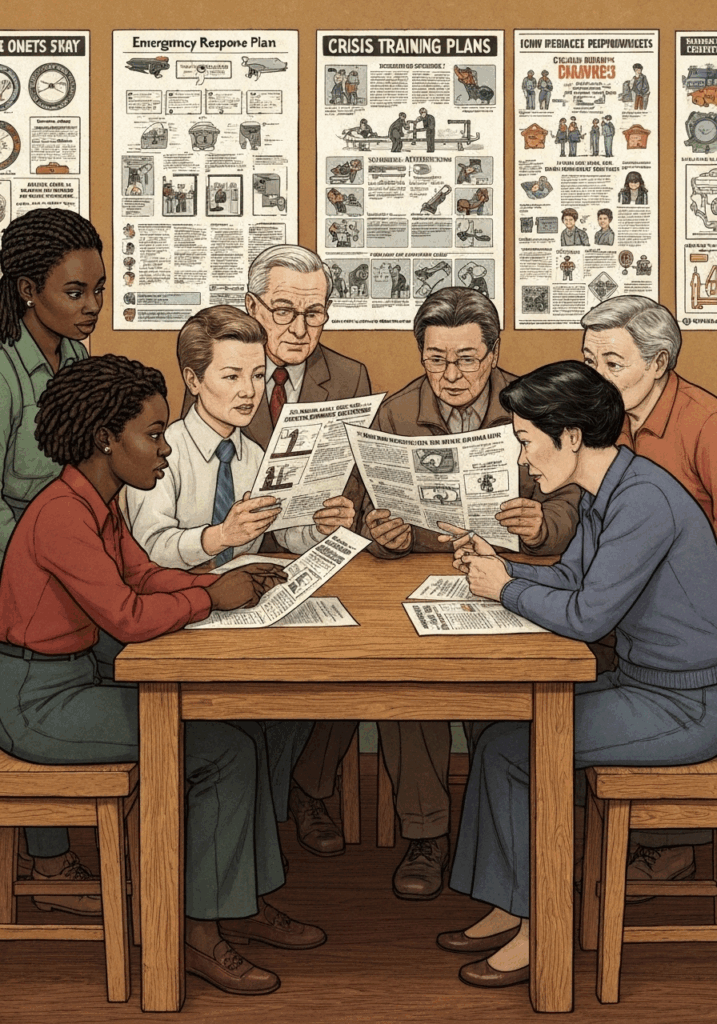
The Department of Education and other safety experts emphasize a multi-layered approach. While physical school safety measures like access control are important, prevention is even more critical. A 2018 Department of Homeland Security report stated that "preventing violence by detecting and addressing these [behavioral] red flags is more effective than any physical security measure." [1] This shifts the focus from purely reactive measures to proactive intervention.
What are the key steps schools should take to train students and staff for active shooter events? It begins with developing a plan that includes clear communication protocols, lockdown procedures, and evacuation routes. This plan becomes the curriculum for training, ensuring that every member of the school knows how to react to minimize school crime and protect lives.
Standard Emergency Protocols in School Shooting Situations
In an active shooter event, a standardized response is crucial. Standard emergency protocols are designed to provide clear, actionable steps for everyone on campus. The two primary responses are lockdown procedures and evacuation, with the choice depending on the specific situation and proximity to the threat. These protocols are developed in coordination with emergency management experts and law enforcement.
Are there guidelines from official organizations like the FBI or DHS for school shooting response? Yes, agencies like the Department of Homeland Security provide extensive resources, including the "Run, Hide, Fight" model, to help schools prepare. These guidelines help school resource officers and administrators create plans that integrate seamlessly with the response of incoming first responders. This section will explore the core components of these standard protocols.
Lockdown Procedures and Communications
A lockdown is one of the most common response options taught to school staff. The goal is to create a barrier between the people inside a room and the threat outside. During a lockdown, the priority is to secure the classroom, remain silent, and stay out of sight. This procedure is most effective when the danger is believed to be inside the school building but not in the immediate vicinity of the classroom.

Effective communication is the backbone of a successful lockdown. School staff must be able to receive clear instructions from a central command post, often through an intercom system or mass notification app. This allows administrators to share real-time information with teachers and coordinate with the local emergency management agency without causing panic.
Key actions during a lockdown include:
- Locking the classroom door immediately.
- Turning off the lights and silencing all cell phones.
- Moving all students and staff away from windows and doors, preferably to a corner of the room that is not visible from the hallway.
- Ignoring all fire alarms unless smoke or fire is visible.
Evacuation Protocols and Safe Routes
While lockdowns secure people in place, evacuation protocols are designed to move them away from danger. This is the preferred strategy when the threat is outside the school building or when a safe exit path is clearly available. A successful evacuation relies on pre-planned and practiced safe routes that guide students and staff to a secure off-campus location.
School leaders are responsible for establishing these routes and ensuring they are known to everyone. This involves mapping out primary and secondary exit paths from every part of the school campus. Access control measures, such as strategically placed fencing or gates, can help guide evacuees and prevent an intruder from easily accessing certain areas, but these must be designed so they do not impede a rapid exit.
The most effective protocols for students and staff during a school shooting are those that are flexible. The decision to evacuate should be based on the specific circumstances of the incident. If you can get out safely, you should. The goal is to put as much distance as possible between you and the threat.
The “Run, Hide, Fight” Strategy Explained for Schools
The "Run, Hide, Fight" strategy, promoted by the Department of Homeland Security, provides a set of clear, actionable options for an active shooter situation. It is not a rigid, sequential checklist but a dynamic response based on your proximity to the threat. It empowers individuals within the school environment to make a survival-based decision.
This approach gives school staff and students the mental framework to react quickly. Instead of freezing in fear, they have three distinct options to consider: escape if possible, hide if escape is not an option, or, as a last resort, fight back. Understanding these choices is a critical component of modern safety training. We'll now break down what each of these actions means in a school context.
How to Apply “Run” in a School Context
The "Run" component of the strategy is your first and best option if a safe path is available. The primary goal is to evacuate the area and get as far away from the active shooter as possible. This requires having an escape route in mind and being prepared to leave the school building immediately.
When you decide to run, you should move quickly and decisively. Encourage others to leave with you, but do not wait for those who are hesitant. Your priority is to get to safety and then call 911 once you are in a secure location. This action helps clear the school grounds, allowing law enforcement to more easily locate and neutralize the threat.
When you run, remember these key points:
- Have an escape route and plan in mind.
- Leave your belongings behind.
- Help others escape, if possible.
- Keep your hands visible so law enforcement can see you are not a threat.
- Once you are safe, call 911 and provide any information you have.
Safe Ways to “Hide” During an Intruder Event
If running is not a safe option, your next choice is to "Hide." This is more than just crouching in a corner; it's about making your location as secure and invisible as possible. In a classroom setting, this means implementing lockdown procedures to deny the intruder entry and access.
The main objective of hiding is to stay out of the shooter's view and create a protective barrier. School staff should look for rooms that lock from the inside and can be barricaded with heavy furniture like desks and cabinets. The ideal hiding place is one that provides both concealment and protection.
Follow these steps to hide effectively:
- Find a room and lock the door.
- Barricade the door with heavy objects.
- Silence your cell phone and any other sources of noise.
- Turn off the lights and stay away from windows.
- Remain quiet and calm until you are certain it is safe or you are found by law enforcement.
Last Resort: What “Fight” Means in a Classroom Setting
The "Fight" option is a last resort to be used only when your life is in imminent danger and you cannot run or hide. This is an active strategy of resistance, not a passive one. In a classroom setting, it involves committing to incapacitating the shooter with as much physical aggression as possible.
This action requires a decisive commitment from everyone involved. School personnel and even students can use improvised weapons—chairs, fire extinguishers, books, or anything else available—to create a distraction and overwhelm the attacker. The goal is to disrupt the shooter's ability to aim and injure others.
When fighting is your only option:
- Act as a group with a coordinated plan.
- Ambush the shooter as they enter your space.
- Throw items and create chaos to distract them.
- Use improvised weapons to cause injury.
- Commit to your actions and do not hesitate.
Training Students and Staff: Best Practices
Having a plan is only the first step; effective training is what makes it work. Schools must implement best practices for training both students and school staff on critical safety measures. This includes regular active shooter drills that are thoughtfully designed to be effective without causing unnecessary trauma.
The format of these drills, from simple discussions to full-scale simulations, should be carefully considered. While live drills can provide valuable experience, there is mounting evidence that certain types of drills can be harmful. The key is to prepare your community for a crisis while prioritizing their mental and emotional well-being. Let's explore how to achieve this balance.
Regular Safety Drills—Frequency and Format
The topic of active shooter drills in schools is complex. While training staff on how to respond is important, there is no conclusive evidence that student-involved drills prevent shootings or protect the community during an event. Many school districts mandate regular safety drills, but their frequency and format must be carefully planned to be beneficial.
Mounting evidence suggests that some drills, especially those that are unannounced or highly realistic, are associated with lasting psychological harm. Studies have shown these drills can lead to increases in depression, stress, and anxiety among students and staff. Widespread fear of death is another documented outcome, raising questions about the value of these drills versus their negative impact.
Instead of high-intensity simulations involving students, schools can focus on staff training and classroom-based discussions. This prepares adults to lead while educating students on procedures in a less threatening way. The goal is preparedness, but it shouldn't come at the cost of the school community's mental health. How effective are active shooter drills? Their effectiveness is debated, especially when not implemented with a trauma-informed approach.
Customizing Age-Appropriate Training
One of the most critical steps schools can take is to customize safety training for different age groups. What works for a high school student can be terrifying and confusing for a kindergartener. Age-appropriate training ensures that the information is understood and retained without causing undue fear or anxiety.
For younger students, the focus should be on simple, clear directives. Language should be non-threatening, framing the drill as a safety game like "follow the leader" or practicing being quiet. The goal is to teach them to listen to their teacher and follow instructions quickly.
For older students, training can be more direct, explaining the logic behind lockdown or evacuation procedures. However, school leaders must still approach these topics with sensitivity.
- Preschool/Elementary: Use simple terms. Focus on listening to the teacher and practicing moving quietly.
- Middle School: Introduce concepts like lockdown and evacuation more directly. Discuss the importance of staying quiet and off phones.
- High School: Can discuss the "Run, Hide, Fight" model and the reasoning behind each choice. Emphasize their role in taking responsibility for their own safety.
Overcoming Drill Fatigue and Maintaining Engagement
When safety drills become routine and repetitive, a phenomenon known as "drill fatigue" can set in. Students and staff may become complacent, going through the motions without internalizing the purpose of the exercise. This diminishes the effectiveness of the training and can create a false sense of security.
How can schools balance student well-being with safety protocols during shooting drills? To combat fatigue and maintain engagement, school boards should encourage varied and thoughtfully designed drills. This means moving beyond simple lockdown practices to include discussions about evacuation routes, communication plans, and reunification procedures. Making the drills relevant and interactive helps reinforce their importance.
Maintaining engagement also involves protecting the mental health of the school environment.
- Announce drills ahead of time to reduce anxiety.
- Debrief with students and staff afterward to discuss what went well and what could be improved.
- Incorporate feedback from the school community to refine future drills.
- Frame drills as an empowering tool for safety rather than a source of fear.
Collaborating With Law Enforcement and First Responders
No school is an island. Effective emergency response depends on strong collaboration with community partners, especially local law enforcement and first responders. Police officers are the primary responders in an active shooter incident, and their ability to act quickly and effectively is enhanced when they are already familiar with the school's layout and safety plan.
Building these relationships cannot wait until a crisis happens. Are there guidelines from official organizations like the FBI or DHS for school shooting response? Yes, and these guidelines consistently emphasize the need for pre-incident coordination. The next sections will detail how to build these crucial partnerships and conduct joint training exercises.
Building Relationships Before Emergencies
The foundation of a successful joint response is a relationship built on trust and open communication. School personnel should proactively connect with their local law enforcement agencies long before an emergency occurs. This involves inviting officers to the campus for non-emergency visits so they can become familiar with the layout.
School districts can formalize these partnerships through memorandums of understanding (MOUs) that outline roles and responsibilities. Regular meetings between school administrators and police leadership help ensure that school safety plans are aligned with law enforcement procedures. Involving public safety commissions and other community partners in these discussions can further strengthen the network of support.
When law enforcement officers know the school's administrators and understand its emergency protocols, their response during a real crisis is faster and more coordinated. This proactive engagement turns outside agencies into true community partners invested in the safety of your school.
Joint Training and Simulation Exercises
Building relationships is the first step; joint training is where those relationships are put to the test. Simulation exercises involving both school staff and first responders are one of the most effective ways to prepare for an active shooter event. These exercises reveal gaps in communication, coordination, and response tactics that can be fixed before a real emergency.
These joint training sessions can range from tabletop exercises, where school leaders and law enforcement talk through a scenario, to full-scale simulations that mimic a real event. The goal is to create a shared understanding of how each party will operate during a crisis, from the initial 911 call to the moment the scene is secured.
Effective joint training should include:
- A unified command structure that integrates school leaders with first responders.
- Clear communication protocols between the school and outside agencies.
- Practice with reunification procedures to safely return students to their families.
- A post-exercise debrief to identify lessons learned and improve school safety measures.
School Safety and Prevention Planning
While response protocols are critical, the ultimate goal is to prevent school violence from happening in the first place. Comprehensive school safety and gun violence prevention planning focuses on identifying and mitigating risks before they escalate into a crisis. This proactive approach involves creating systems to detect concerning behaviors and intervene early.
What role does school safety planning play in preventing school shootings? It plays the most important role. Key components of prevention include establishing threat assessment teams and using technology for early detection. The following sections will explain how to implement these vital prevention strategies.
Establishing Threat Assessment Teams
A cornerstone of modern school safety is the creation of threat assessment teams. These multidisciplinary groups are trained to identify, assess, and manage concerning behaviors exhibited by students. The U.S. Secret Service's National Threat Assessment Center has found that most attackers in schools show warning signs, making these teams a critical tool for intervention.
These teams typically include administrators, mental health professionals, and school resource officers. When a concern is reported, the team gathers information to determine the seriousness of the threat and develops a plan to support the student and mitigate any risk. This is not a punitive process but one focused on getting help for a student in crisis.
By creating a formal process for reporting and evaluating threats, school districts empower the entire school community to act. This proactive model, recommended by the National Threat Assessment Center, is far more effective than simply reacting to violence after it occurs. It helps create a culture where students and staff feel safe reporting concerns, knowing they will be addressed appropriately.
Leveraging Technology for Early Detection
Utilizing advanced technology can significantly enhance early detection efforts in schools, creating a safer environment for students and staff. Tools like AI-driven surveillance systems and threat detection software help in identifying potential risks before they escalate into active shooter situations. Collaboration with local law enforcement and mental health professionals further ensures a comprehensive approach to addressing threats. Additionally, integrating social media monitoring can provide insights into emerging school violence trends, equipping school leaders and personnel with the necessary data to respond proactively and efficiently.
Creating and Updating a School Safety Plan
A school safety plan is not a document that can be created once and then left on a shelf. It must be a living guide that is regularly reviewed, updated, and practiced. Effective emergency operations plans are developed with input from a wide range of stakeholders, including school leaders, teachers, parents, local law enforcement, and emergency management personnel.
The process of updating the plan should be an annual one, or more frequently if new threats or vulnerabilities are identified. This review should analyze the effectiveness of recent drills, incorporate new guidelines from agencies like the Department of Health and Human Services, and adapt to any changes in the school's physical layout or student population.
A comprehensive school safety plan should include:
- Protocols for various hazards, including active shooters, natural disasters, and medical emergencies.
- Clear communication plans for contacting staff, students, and parents.
- Detailed evacuation and lockdown procedures.
- A reunification plan for getting students back to their families safely.
- Contact information for key personnel and community partners.
Addressing Student Well-being During Safety Drills
While safety drills are necessary, they can also be a source of significant stress and anxiety for students. A critical part of modern school safety is balancing preparedness with the need to protect student well-being. This requires a shift toward trauma-informed practices that acknowledge the potential psychological impact of these exercises.
How can schools balance student well-being with safety protocols during shooting drills? The key is to prioritize mental health support before, during, and after every drill. By using psychological first aid principles and involving mental health professionals, schools can create drills that prepare without terrifying. The following sections will explore how to achieve this balance.
Trauma-Informed Approaches and Mental Health Support
A trauma-informed approach to safety drills recognizes that students may have past experiences that make these exercises particularly frightening. The goal is to build skills and confidence, not to create fear. This starts with transparency and avoiding surprises. Unannounced or overly realistic drills have been shown to negatively impact the mental health of the entire school environment.
How can schools ensure that drills do not negatively impact student mental health? By integrating mental health professionals into the planning and execution process. School psychologists and counselors can help design age-appropriate drills and be available afterward to support any students who are feeling anxious or overwhelmed. This provides a crucial safety net.
Key elements of a trauma-informed drill include:
- Always announcing drills to students and staff ahead of time.
- Never using simulated gunfire or other effects that mimic a real attack.
- Providing opportunities for students to ask questions and share concerns before and after the drill.
- Making mental health professionals available for psychological first aid.
- Focusing on empowerment and skill-building rather than fear.
Communicating With Families About Drills and Risks
Open and honest communication with families is essential for building a culture of safety and trust. Parents and guardians should be informed about the school's safety protocols and the nature of the drills their children will participate in. This transparency helps manage parental anxiety and makes them partners in the school's safety efforts.
When families understand the "why" behind the drills, they can better support their children at home. Schools should provide resources to help parents talk to their kids about these sensitive topics in an age-appropriate way. This creates a consistent message between home and school, reinforcing the importance of safety without causing unnecessary alarm.
Effective communication with the school community should involve:
- Sending letters or emails home before a drill is scheduled.
- Hosting informational sessions for parents to ask questions about school safety.
- Providing talking points to help families discuss drills with their children.
- Clearly explaining the school's gun violence prevention policies and how parents can help (e.g., secure gun storage).
Official Guidelines and Resources for School Shooting Response
Schools do not have to develop their safety plans in a vacuum. Several federal agencies provide official guidelines and extensive resources to help schools prepare for, and respond to, a school shooting. The Federal Bureau of Investigation (FBI) and the Department of Homeland Security (DHS) are leading sources for evidence-based best practices.
These organizations offer everything from online training courses to detailed guides on creating emergency operations plans. Utilizing these additional resources ensures your school's safety plan is aligned with national standards and benefits from the latest research on active shooter response and prevention. The following sections provide an overview of what these agencies recommend.
Overview of FBI and DHS Recommendations
Are there guidelines from official organizations like the FBI or DHS for school shooting response? Absolutely. The Department of Homeland Security (DHS) is a primary source, heavily promoting the "Run, Hide, Fight" framework for active shooter response. Their "Active Shooter Preparedness" program offers videos, guides, and training materials to help the public prepare for an incident.
The FBI's approach focuses heavily on prevention through threat assessment. They provide operational and behavioral expertise to help schools and law enforcement identify and disrupt potential attackers before they act. The FBI's resources help entities recognize the "pathway to violence" and intervene effectively.
Key recommendations from these agencies include:
- Creating a comprehensive Emergency Action Plan (EAP) for active shooter incidents.
- Training staff and students on response options like Run, Hide, Fight.
- Establishing a threat assessment team to identify and manage concerning behaviors.
- Fostering a strong partnership with local law enforcement and first responders.
- Conducting regular drills and exercises to practice the plan.
Utilizing State and Local Government Tools
Beyond federal resources, state and local governments offer a wealth of tools and support for improving school safety. These resources are often more tailored to the specific needs and regulations of your region. Your state's emergency management agency is an excellent starting point for guidance on developing plans that align with state-level protocols.
Local government partners, such as the county sheriff's office or city police department, are invaluable. They can provide on-site assessments, assist with drill planning, and offer training for school resource officers and staff. Many states also have dedicated school safety centers that provide templates, grants, and technical assistance.
What resources are available for schools to develop an effective shooter response plan? Look for these state and local tools:
- State-specific school safety plan templates and guides.
- Training programs offered by your local emergency management agency.
- Vulnerability assessments conducted by local law enforcement.
- Funding opportunities for security upgrades and training.
- Regional intelligence centers that share information about potential threats.
Conclusion
In conclusion, ensuring the safety of students and staff during school shootings requires a comprehensive approach that encompasses preparation, training, and community collaboration. By implementing effective protocols such as lockdown procedures, evacuation plans, and the "Run, Hide, Fight" strategy, schools can significantly enhance their readiness for potential threats. Regular drills and tailored training not only equip individuals with the necessary skills but also foster a culture of safety. Moreover, addressing the mental well-being of students during these drills is crucial, ensuring that they feel secure and supported. For schools looking to further strengthen their safety measures, it's vital to collaborate with law enforcement and utilize available resources. Together, we can create a safer environment for our children. If you're interested in discussing how to effectively implement these strategies, feel free to reach out!
Frequently Asked Questions
What are the most effective protocols for students and staff during a school shooting?
The most effective protocols are dynamic and situation-dependent. They include lockdown procedures to secure a room, evacuation when a safe escape route is clear, and the "Run, Hide, Fight" strategy. This framework, supported by the emergency management agency, empowers school personnel and students to make the best decision for their immediate safety.
How can schools ensure that drills do not negatively impact student mental health?
Schools can protect student well-being by adopting trauma-informed practices. This includes announcing drills in advance, avoiding overly realistic simulations, and making mental health professionals available for psychological first aid. Open communication with students and staff helps transform fear into empowerment.
Where can schools find trusted resources to improve their active shooter response plans?
Schools can find trusted, additional resources from federal agencies like the Department of Homeland Security (DHS) and the FBI. Websites like SchoolSafety.gov offer comprehensive guides and tools for creating emergency operations plans and planning effective active shooter drills that are aligned with national best practices for school safety.
What are the most effective protocols for students and staff during a school shooting?
Effective protocols for an active shooter incident center on situational awareness. School personnel should be trained to lead students in a lockdown, an evacuation, or a "Run, Hide, Fight" response, depending on the threat's location. Close coordination with law enforcement and the local emergency management agency is also essential.
How can schools ensure that drills do not negatively impact student mental health?
To prevent negative impacts on mental health, schools should use a trauma-informed approach. This involves clear communication with families about drills, providing psychological first aid resources, and ensuring school staff are trained to support student well-being. The focus should always be on safety and empowerment, not fear.
Where can schools find trusted resources to improve their active shooter response plans?
For additional resources, schools should turn to the Department of Homeland Security and the U.S. Secret Service's National Threat Assessment Center. These organizations provide evidence-based guidance on creating emergency operations plans, conducting active shooter drills, and implementing threat assessment programs to enhance overall school safety.
Also read: Uncovering Special Reports Carlos Hank on Las Vegas Police
https://www.cde.ca.gov/re/di/or/icpguidance.asp
https://doi.org/10.1001/jamanetworkopen.2021.48823
https://www.cde.ca.gov/nr/el/le/yr21ltr0709.asp
https://www.nasponline.org/prepare/index.aspx
https://www.cde.ca.gov/ls/ep/flood.asp
https://everytownresearch.org/report/the-impact-of-active-shooter-drills-in-schools
https://www.nasponline.org/research-and-policy/research-center/member-surveys