DEA Combatting Drug Cartels: Insights and Future Plans
 admin001
Insights on DEA Combatting Drug Cartels and Future Plans
Key Highlights
- The Drug Enforcement Administration (DEA) is targeting the Sinaloa and Jalisco (CJNG) cartels, which are responsible for the synthetic drugs crisis.
- Key strategies include enhanced intelligence gathering, targeted operations, and strong international collaboration.
- The DEA is focusing on disrupting the global fentanyl supply chain by working closely with partners in Mexico and other nations.
- Initiatives like "Fentanyl Free America" and "One Pill Can Kill" are raising public awareness about the dangers of counterfeit pills.
- Significant progress has been made through drug seizures and the arrests of major cartel leaders, disrupting drug trafficking networks.
Introduction
The United States is facing an unprecedented drug crisis, largely driven by two powerful drug cartels in Mexico. These organizations threaten public safety by flooding our communities with deadly illicit drugs like fentanyl. The Drug Enforcement Administration (DEA) is at the forefront of this fight, working tirelessly to dismantle these criminal networks from the top down. This blog will offer insights into the DEA's current strategies, its focus on specific cartels, and its plans to protect American lives.
DEA Strategies in Combatting Drug Cartels in 2024
The DEA's approach to drug enforcement in 2024 is multifaceted, targeting the entire criminal network of drug cartels. According to the 2024 National Drug Threat Assessment, the primary goal is to defeat the Sinaloa and Jalisco cartels through aggressive enforcement operations. This involves a network-focused strategy that attacks every level of their operations.
To achieve this, the agency has established specialized counter-threat teams. These teams combine the skills of special agents, intelligence analysts, and data scientists to map out and dismantle the cartels' complex global networks. The following sections will explore how the DEA uses intelligence and targeted operations to accomplish this mission.
Enhanced Intelligence Gathering and Analysis
A core component of the DEA's strategy is its sophisticated intelligence gathering and analysis capabilities. The agency operates a vast network of 241 domestic offices and 93 foreign offices across 69 countries. This global presence is essential for mapping the full extent of cartel operations, from production in clandestine labs to distribution on American streets.
This extensive intelligence gathering allows the DEA to understand and predict cartel movements and business practices. By analyzing sensitive information, the agency can identify key vulnerabilities within these organizations. This data-driven approach is crucial for planning effective enforcement operations that disrupt the flow of illicit drugs and protect public health.
The information collected helps create a comprehensive picture of the cartels' command structures, financial networks, and supply chains. This analytical work is the foundation upon which targeted enforcement actions are built, ensuring that resources are deployed for maximum impact against these criminal enterprises.
Targeted Operations Against Key Cartel Leaders
The DEA places a strong emphasis on dismantling cartel operations by targeting their leadership. The strategy is to disrupt the command and control of these organizations through high-level cartel leader arrests. By removing the individuals who direct the trafficking, manufacturing, and money laundering activities, the agency can create significant instability within the cartels.
DEA agents work relentlessly to pursue these leaders, who often believe they can operate with impunity. The arrests of figures like Ismael ‘El Mayo’ Zambada Garcia and the sons of 'El Chapo' demonstrate that no one is beyond the reach of the law. These actions send a clear message that the architects of the drug crisis will be held accountable.
These targeted operations are not just about arrests; they are about dismantling the entire structure that supports a leader. This approach cripples the organization's ability to function, leading to a breakdown in their global supply chains and a reduction in the flow of deadly drugs into our communities.
Collaboration with International Partners
No single agency can defeat transnational organized crime alone. Recognizing this, the DEA actively collaborates with international partners to dismantle cartels. This global cooperation is vital for attacking the global fentanyl supply chain at every point, from the sourcing of precursor chemicals to the final distribution of the drugs.
Through bilateral initiatives and strategic partnerships, the DEA shares intelligence and coordinates operations with law enforcement agencies around the world. This united front puts unprecedented pressure on cartels, which rely on their international networks to thrive. The following sections detail how these joint efforts are making a difference.
Bilateral Initiatives with Mexico and Other Countries
The partnership between the United States and Mexico is a cornerstone of the DEA's strategy. These bilateral initiatives are designed to enhance cooperation and streamline the process of bringing criminals to justice. A significant outcome of this collaboration has been the successful transfer of numerous high-profile fugitives from Mexico to the United States to face charges.
This cooperation with international law enforcement extends beyond just Mexico. The DEA works with counterparts in over 60 countries to trace and intercept drug shipments, financial transactions, and communications. This global network is crucial for combating cartels that operate across continents.
Recent successes stemming from these initiatives include:
- The transfer of 29 wanted defendants from Mexico to U.S. custody in February 2025, including reported cartel leaders.
- The August 2025 transfer of Abigael Gonzalez Valencia, a key figure in the CJNG cartel, to face drug-trafficking charges in the U.S.
- Ongoing efforts to extradite other major players, disrupting cartel leadership and operations.
Joint Task Forces and Information Sharing
Collaboration is just as critical at home as it is abroad. The DEA spearheads joint task forces that bring together federal, state, and local law enforcement partners. This unified approach combines resources and expertise to target drug trafficking organizations operating within the United States.

Information sharing is a key element of these collaborations. The DEA provides partners with access to intelligence and analytical tools, sometimes through secure websites, to ensure all agencies are working with the most current data. This allows for coordinated and effective operations against the domestic distribution cells of the cartels.
For example, initiatives like Operation Overdrive and Operation Last Mile have demonstrated the power of this collaborative model. By working together, task forces have successfully arrested thousands of violent drug dealers and seized millions of doses of fentanyl, firearms, and illicit profits, making communities safer.
Focus on Sinaloa and CJNG Cartels
The DEA's top operational priority is to defeat the two cartels primarily responsible for the fentanyl crisis: the Sinaloa Cartel and the Jalisco New Generation Cartel (CJNG). These transnational criminal organizations are responsible for producing and supplying the vast majority of deadly doses of fentanyl trafficked into the United States.
Their sophisticated cartel operations span the globe, but the DEA is committed to dismantling them at every level. The agency's strategy involves targeting their leadership, disrupting their supply chains, and seizing their illicit profits. The following sections highlight recent successes against these two powerful cartels.
Recent Successes in Disrupting Operations
Recent enforcement operations have delivered significant blows to both the Sinaloa and CJNG cartels. Through coordinated efforts, the DEA and its partners have achieved record-breaking drug seizures, preventing immense quantities of deadly substances from reaching American communities. These actions disrupt the cartels' business and save lives.
Operation Last Mile, a year-long initiative, specifically targeted the distribution networks of these cartels within the U.S. The operation resulted in thousands of arrests and massive seizures of drugs, weapons, and money, confirming that the cartels use local gangs to distribute their poison.
The scale of these seizures highlights the effectiveness of the DEA's targeted approach.
| Operation/Initiative | Fentanyl Seized | Methamphetamine Seized | Firearms Seized |
|---|---|---|---|
| Operation Last Mile | 44 million pills, 6,500+ lbs powder | 91,000+ lbs | 8,497 |
| Operation Overdrive (Phase 2) | Over 10 million deadly doses | (Not specified) | (Not specified) |
These figures represent a significant disruption to cartel revenue and a major step forward in protecting public safety.
Impact of Cartel Leader Arrests and Deaths
The arrests and prosecution of top cartel leaders have a profound impact on their organizations, creating leadership vacuums and internal power struggles. The capture of figures like Joaquin "El Chapo" Guzman Loera and the subsequent indictments against his sons, the "Chapitos," have severely destabilized the Sinaloa Cartel's operations. These actions directly protect American lives and enhance our national security.
Similarly, the pursuit of CJNG leader Nemesio Rubén Oseguera Cervantes, known as "El Mencho," has put immense pressure on his organization. The arrests of his son, Ruben "El Menchito" Oseguera-Gonzalez, and his brother-in-law, Abigael Gonzalez Valencia, have dismantled key parts of CJNG's leadership and financial structure.
These high-level cartel leader arrests are not just symbolic victories. They cripple the command structure, disrupt logistics, and create openings for law enforcement to further dismantle the criminal enterprise. Every leader removed from the board is a step toward weakening the cartel's ability to threaten the United States.
Seizure of Counterfeit Pills and Synthetic Drugs
A critical part of the DEA's mission is combating the flood of counterfeit pills and synthetic drugs. Cartels are mass-producing fake prescription pills containing fentanyl, marketing them to unsuspecting individuals. The DEA is on the front lines, seizing these deadly drugs before they can cause harm.
DEA laboratory testing plays a vital role in this effort by analyzing seized substances to determine their composition and potency. This analysis has revealed a terrifying trend: a significant and growing percentage of fake pills contain a potentially lethal dose of fentanyl. The following sections explain the initiatives and collaborations aimed at tackling this threat.
Fentanyl Free America Initiative
The Fentanyl Free America initiative is a comprehensive public awareness campaign designed to educate the public about the extreme dangers of fentanyl. With synthetic opioid deaths at an all-time high, this campaign is a crucial part of the government's response to save lives by preventing drug use in the first place.
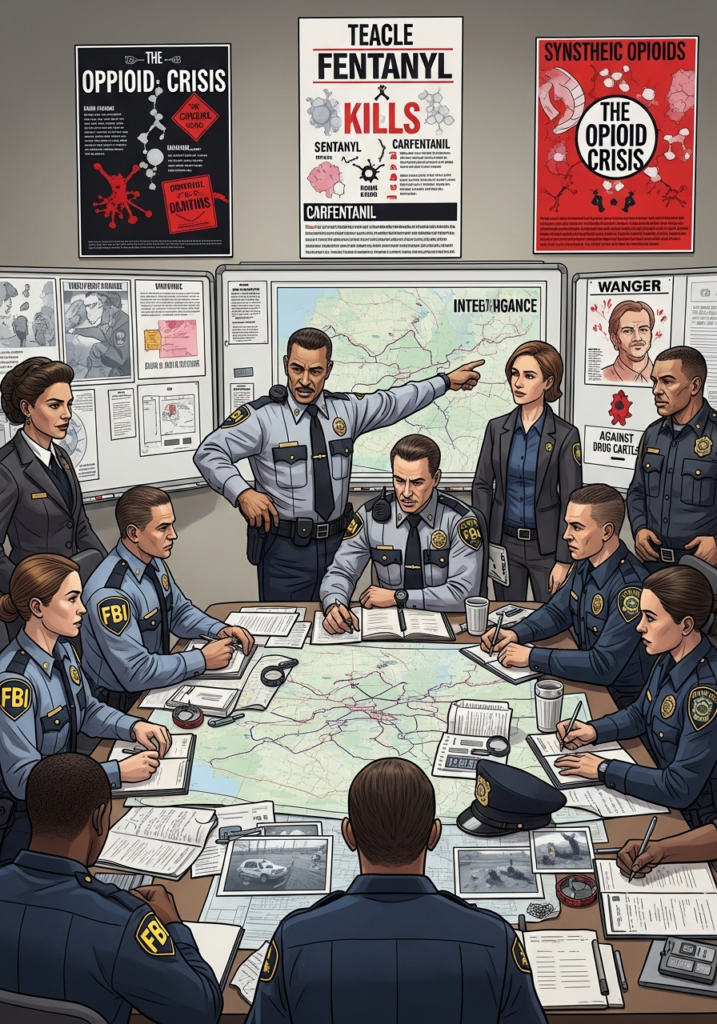
This initiative complements the DEA’s enforcement efforts by reducing the demand for the cartels' deadliest product. By raising awareness, the campaign aims to prevent people from ever trying a pill not prescribed by their doctor and obtained from a pharmacy. It directly targets the cartels’ business model, which relies on deception.
Key components of the DEA's public awareness efforts include:
- The "One Pill Can Kill" campaign, which provides shareable resources for communities.
- Family Summits on Fentanyl held across the country to engage directly with affected families.
- The "Faces of Fentanyl" exhibit at the DEA Museum, which honors the victims of fentanyl poisoning.
Coordination with Other US Agencies in Seizures
To effectively seize counterfeit pills and synthetic drugs, the DEA coordinates closely with a host of other U.S. agencies. This includes forming partnerships like a Homeland Security Task Force to combine the unique authorities and resources of different branches of law enforcement.
This inter-agency collaboration is seamless, involving the sharing of real-time intelligence through secure websites and joint operational planning. When one agency encounters a lead, it can be quickly passed to the entity best equipped to act on it, whether it's at the border, in a local community, or online.
This teamwork ensures a unified front against drug traffickers. Operations like "Last Mile" involved hundreds of investigations in partnership with federal, state, and local law enforcement. This coordinated approach amplifies the impact of every seizure, better protecting public health and holding traffickers accountable for the damage they inflict.
Conclusion
In summary, the DEA's continued efforts in combatting drug cartels reflect a targeted and multifaceted approach tailored for the challenges of 2024. By enhancing intelligence gathering, collaborating with international partners, and focusing on key players like the Sinaloa and CJNG cartels, the agency demonstrates its commitment to disrupting illegal drug operations. Additionally, initiatives like the Fentanyl Free America initiative highlight the urgency of addressing the growing threat of counterfeit pills and synthetic drugs. As the landscape evolves, the DEA remains dedicated to safeguarding communities and ensuring public safety. Stay informed about their ongoing initiatives and successes by visiting their official channels for the latest updates.
Frequently Asked Questions
How is the DEA adapting its approach to emerging drug threats?
The DEA constantly adapts its drug enforcement strategies to address emerging illicit drug threats, like the synthetic drug crisis. The agency uses advanced intelligence analysis to monitor new trends, such as fentanyl mixed with xylazine, and quickly launches targeted enforcement operations to disrupt supply and protect public health.
What are some notable recent DEA achievements against cartels?
Recent achievements by DEA agents and their law enforcement partners include the arrests of key leaders from the Sinaloa and CJNG cartels, which disrupted their operations. Additionally, major enforcement operations have seized millions of deadly doses of fentanyl, preventing countless potential poisonings and striking a financial blow against these organizations.
Where can the public find official information on DEA actions?
For official and reliable information, you should always visit the official government organization's website. The DEA's public-facing gov website, DEA.gov, is the best source for press releases, public awareness materials, and updates on the agency's actions. Remember to only share sensitive information on official, secure websites.