The Police and Drugs: Navigating a Complex Relationship
 admin001
The Complex Relationship Between the Police and Drugs

Key Highlights
- The relationship between the police and drugs is deeply intertwined, with historical roots in racialized social control.
- Drug policies, like the War on Drugs, have significantly influenced policing practices, often escalating police powers and contributing to racial disparities in law enforcement.
- While aiming to curb drug use and trafficking, current policies face scrutiny for their effectiveness and unintended consequences.
- Alternative approaches, such as community policing, diversion programs, and restorative justice, are gaining traction as potentially more effective and humane methods.
- The psychological toll of drug enforcement on police officers, alongside legal and ethical considerations, underscores the complexity of this issue.
Introduction
The relationship between drug policy, public health, and law enforcement is complex and often debated. This investigation looks at how police and drugs connect. It covers how this relationship has changed over time, how policies affect policing methods, and how well current practices work. We will also think about new strategies and the problems law enforcement faces. Additionally, we will look at how drug enforcement affects the mental well-being of police officers.
Understanding the Historical Context of Police Involvement in Drug Enforcement
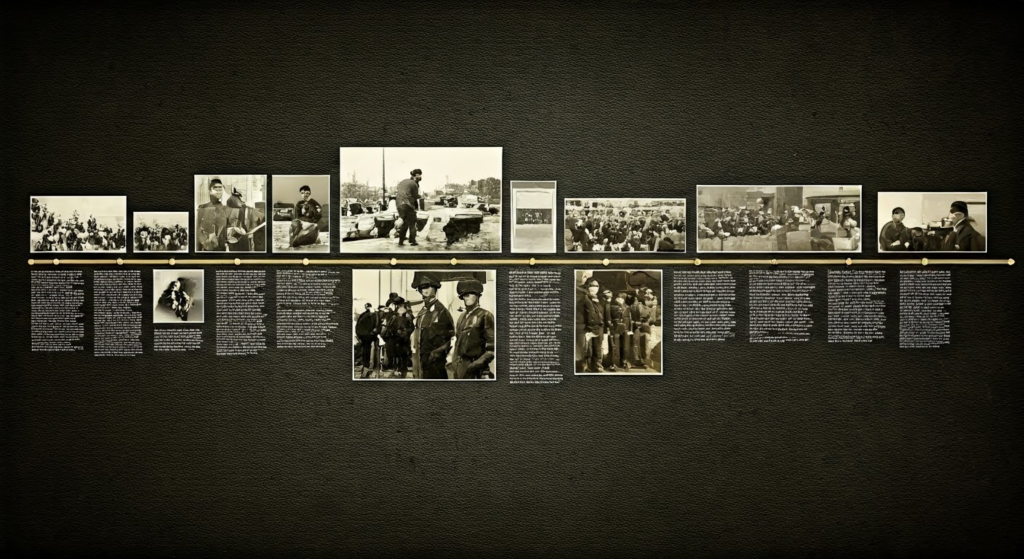
To understand the complexities of this relationship, we must look at its history. Police forces in the United States have a long connection with social control and issues related to racial bias. Knowing this background helps us see how drug policies have changed and impacted marginalized communities.
The history of slavery and segregation in America greatly affects the link between law enforcement and communities of color. This context is important when we examine the racial gaps in drug-related arrests, police violence, and mass incarceration that often target minority populations.
The Origins of the War on Drugs
The War on Drugs in the United States, supported by the US Department of Justice and the Bureau of Justice Statistics, including the Federal Bureau of Investigation, was a big change in drug policy and affected the criminal justice system. This initiative started in the 1970s and became stronger in the 1980s. It wanted to tackle drug use and trafficking by enforcing stricter laws and tougher punishments. However, this also caused a large increase in the prison system, harming African American and Hispanic communities the most.
This method of dealing with drugs focused more on punishment than public health. This led to more people being locked up, especially for non-violent drug crimes. The War on Drugs made life harder for marginalized communities, continuing cycles of poverty and hurting family and community ties.
Many critics believe the War on Drugs did not reduce drug use as hoped. Instead, it made social inequalities worse and allowed harsh policing methods, like stop-and-frisk, to become common. This created a bad relationship between law enforcement and the communities most affected by these policies.
Shifts in Law Enforcement Tactics Over Decades
Over the years, the way law enforcement handles drug use in the United States has changed a lot. At first, police focused on making big drug busts and arrests to break the supply chains. But this often just moved drug markets around instead of getting rid of them.
Then, police realized that looking only at supply had its limits. So, law enforcement agencies started to try different methods. They created community policing. This method helped build better relationships between officers and residents. It focused on preventing crime and tackling the reasons behind drug use.
These changes in law enforcement reflect a better understanding of how drug use affects public health. Today, there is more focus on prevention, treatment, and harm reduction. These methods are now gaining support in the criminal justice system.
The Impact of Drug Policies on Policing Practices

Drug policies that focus more on punishment than on treatment affect police work greatly. The War on Drugs, for example, has given police more power. This sometimes takes away civil rights, especially for people in poor communities.
The move toward stronger police methods has been criticized. It creates a feeling of "us vs. them" and harms trust between law enforcement and the people they are supposed to help. These policies, mixed with racial biases, have led to too much policing in minority areas and have increased incarceration rates.
The Escalation of Police Powers and Responsibilities
As part of the War on Drugs, the roles and powers given to police have grown a lot. Police departments in the United States are using more aggressive methods. This includes stop-and-frisk practices and no-knock warrants, which are quite controversial.
While these methods aim to fight drug-related crime, they have been criticized. These tactics often target minority communities more than others and can cause problems with abuse and excessive force. Also, when police departments start to conduct raids resembling military operations, it raises worries about the use of force and the effect on our civil rights.
Additionally, the growing power of police in dealing with illicit drugs blurs the lines between law enforcement and public health, a concern echoed in studies published in the American Journal of Public Health. Critics say this shift is making addiction and drug use, as well as property crime, seem like crimes. This can push people away from getting the help they need. It also takes resources away from important community programs that focus on prevention and treatment.
Racial Disparities in Drug-Related Law Enforcement
One major problem from the War on Drugs is the ongoing racial differences in the criminal justice system. Even though drug use is similar among different races, Black and Hispanic people are more often stopped and arrested for drug-related crimes.
These differences are not just from personal biases of police officers. They show deeper issues in drug policies and how policing is done. For example, focusing on small drug crimes in poor neighborhoods, instead of big drug networks, keeps these racial problems going.
To fix these issues, we need to change how we think about drug policy. We should focus on public health solutions, like treatment and reducing harm, rather than just punishment. Also, police departments should make big changes to reduce bias in how they handle cases and to treat everyone fairly under the law.
Analyzing the Effectiveness of Current Drug Policies
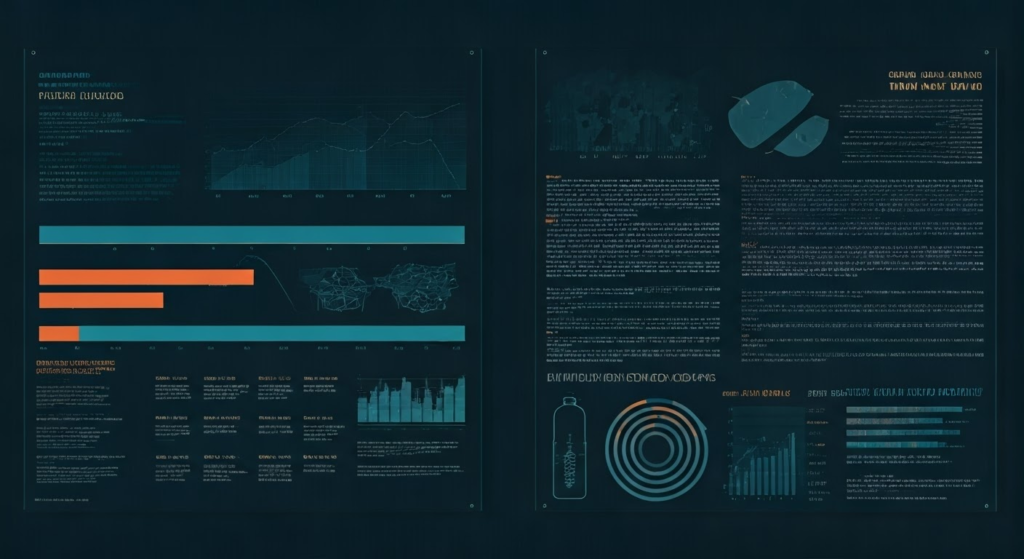
After many years of the War on Drugs, we need to check if current drug policies really work. Some people say these policies stop drug use and lower crime. However, critics see that illegal drug markets are still strong, and mass incarceration creates more problems.
To really understand how well drug policies are working, we need to go beyond just looking at arrest numbers. We should also think about their effects on public health, racial justice, and the well-being of our communities. This means we need to study the unintended consequences of these policies. For example, mass incarceration has hurt families and communities, especially in minority groups.
Successes and Failures in Curbing Drug Use and Trafficking
While there are some successes in areas like drug treatment courts and harm reduction programs, the overall success of a mainly punitive approach is still unclear. The illegal drug market keeps growing and adapts to law enforcement actions.
One big criticism of the current drug policy is that it does not focus on the public health aspects of addiction. By focusing more on punishment than on treatment and prevention, these policies do not help stop drug use and lead to more social problems. These include the rise of infectious diseases and overdose deaths.
It is important to move towards a more balanced approach that sees drug addiction as a public health issue. This means putting money into programs that prevent drug use, increasing access to treatment for substance use disorders, and carrying out harm reduction strategies. These strategies aim to lower the negative effects of drug use.
The Debate Over Decriminalization and Legalization
The ongoing discussion about changing drug laws is a hot topic in the United States. This issue involves public health, law enforcement, and criminal justice. Supporters want to treat drug use as a health issue instead of just a crime. They believe that a health-focused approach is necessary. In contrast, opponents worry about the possible effects on society. They highlight the difficulties in balancing social control and individual rights while also trying to prevent crime.
The Role of Police Officers in Community Drug Prevention

Recognizing the downsides of focusing only on enforcement, police officers are now taking a bigger role in stopping drug use within communities. This new approach highlights the importance of building trust and working together with people to solve the main reasons behind drug use. It aims to encourage safety and prevent drug-related crime.
By actively reaching out to the community, helping local groups, and working with schools, police departments can help create safer and healthier places.
Community Policing and Drug Abuse Prevention
Community policing is an important way to tackle drug abuse from the ground up. This method focuses on building good relationships between police officers and the people in the community. It aims to create trust and work together to make public safety better.
Police departments can reach out to the community by organizing events like town hall meetings and joining in local activities. This helps them break down barriers, improve communication, and understand the drug-related problems in their area.
By working together, police departments can help support drug abuse prevention programs. They can also connect residents with important resources and build a support network to deal with this complicated issue.
Partnership with Community Organizations and Schools
Effective drug prevention programs in communities need strong teamwork. This includes police departments, community groups, and schools. When they work together, they can use their resources wisely, share their knowledge, and create plans to fight drug abuse.
Community groups have a lot of experience in helping people. They offer social services, reach out to youth, and teach drug prevention. When police work with these groups, they can help connect people with important services. This includes treatment for substance use, mental health help, and support groups.
Schools are also very important in preventing drug abuse. They give students correct information, teach them how to refuse drugs, and help with their social and emotional growth. Police can team up with schools to run drug education programs, help student support services, and make schools safe and supportive.
Challenges Faced by Law Enforcement in Drug-Related Operations

Law enforcement agencies face big challenges with drug-related issues. Changes in views and methods make this even harder. The risks of the illegal drug trade, along with dealing with people who have substance use problems, create tough situations for police officers.
To keep the public safe while doing their jobs, officers need special training and resources. They often face unique situations. The changing drug market, especially the rise of strong synthetic opioids, requires them to adapt. This means they must find new ways to fight drug trafficking and reduce its harm.
Safety Risks and Operational Dilemmas
Drug-related operations put law enforcement officers at risk. They face many safety problems and difficult situations. The illegal drug trade is dangerous. It often involves people who commit violent crimes and may act unpredictably.
There is also a new challenge with strong synthetic opioids like fentanyl. These drugs are very powerful and can cause accidental overdoses. This risk is not just for users but also for officers during seizures or arrests.
To keep officers safe, they need proper training, protective gear, and resources. It is also important to address the opioid crisis. Expanding access to naloxone can help. This medication helps reverse opioid overdoses and can protect both officers and people in the community.
Mental Health Issues Amongst Drug Users and Police Responses
A big problem for law enforcement is dealing with people who have mental health issues and also abuse drugs. This situation can be very complex. Officers need to respond with care, understanding, and access to the right resources.
Mostly, traditional training for law enforcement does not teach the specific skills needed to calm down situations with people in a mental health crisis. Providing officers with crisis intervention training (CIT) and working with mental health experts can really help improve how police respond. This approach can make both the officers and the public safer.
By taking a kinder and more informed approach, law enforcement agencies can better meet the needs of people facing mental health challenges. They can also help connect these individuals with the right treatment and support services they need.
Evaluating Alternatives to Traditional Policing in Addressing Drug Issues
As we see the limits of traditional drug policy that focuses mostly on punishment, more people want to look into and know about other options. These options should focus on treatment, reducing harm, and support from the community. Moving away from just punishment means we need to think about using different methods.
Programs that divert offenders, restorative justice efforts, and treatment centers in the community are becoming important. These alternatives can better support people with substance use disorder. They also help keep the public safe and lower the chances of repeat offenses.
Diversion Programs and Their Impact
Diversion programs are getting more attention in the criminal justice system. They provide an alternative to jail for people whose crimes are linked to drug addiction. These programs help participants tackle their substance use disorder. They get treatment and can avoid the negative effects of having a criminal record.
Instead of going through the usual court system, options like drug courts and both pre-charge and post-conviction diversion programs give a chance for rehabilitation and rejoining the community. These programs focus on personalized treatment plans, counseling, and support services to meet the unique needs of each participant.
The benefits of these programs go beyond just the individuals involved. They lower reoffending rates and help people successfully return to society. Diversion programs help create safer communities and deal with the main causes of drug-related crime.
The Potential of Restorative Justice Approaches
Restorative justice is becoming a new way to approach the criminal justice system. Instead of just punishing people, it focuses on fixing the harm and looking at why someone commits a crime, especially related to drug use. This method encourages accountability, healing, and getting the community involved.
In drug policy, restorative justice can show up in different ways, like drug treatment courts, mediation between victims and offenders, or meetings with the community. These methods include everyone affected by drug-related crimes, such as victims, offenders, their families, and others in the community.
By allowing open talks and fostering understanding, restorative justice can help break the cycles of crime, addiction, and incarceration. This approach sees how drug use, trauma, and social injustice are linked together. It aims to tackle the root causes of crime and help everyone heal.
Psychological Impact of Drug Enforcement on Police Officers

The effect of drug enforcement on communities is important, but we also need to recognize how it affects police officers. Officers frequently see trauma, violence, and the effects of addiction. This can cause them to feel drained, hurt, and can lead to mental health problems.
It is important to understand these impacts. We need to give officers the right support, resources, and ways to cope. Taking care of the mental health of law enforcement is vital. It helps keep them well and also builds trust and strong relationships in the communities they work with.
Stress and Burnout Among Officers in Drug Units
Working in drug enforcement puts officers in many stressful situations. This can lead to burnout and other mental health issues. Seeing how drug addiction impacts people, families, and communities can take a big toll. It often causes feelings of emotional exhaustion, unhappiness, and a sense of not achieving personal goals.
Drug enforcement work also includes long hours and can be dangerous. Officers face violence and trauma regularly. These challenges, along with the emotional strain of helping people with addiction, can really affect their mental and emotional health.
To tackle stress and burnout among officers, we need a range of solutions. We should provide mental health services, groups for peer support, and ways to reduce stress. It's also important for law enforcement agencies to build a culture that cares about officer well-being. Encouraging officers to seek help is key to creating a supportive and healthy work environment.
Training and Support for Officers Dealing with Drug-Related Cases
Giving proper training and support to officers who work on drug-related cases is very important. It helps keep them safe and effective while also caring for their emotional health. Training should include skills like de-escalation, crisis intervention, and understanding different cultures. This will help officers meet the needs of the communities they work in.
Officers need to learn about addiction, mental health, and harm reduction. This knowledge shapes how they connect with people using drugs. When officers understand addiction better, they can be more empathetic, which helps lessen stigma. It also encourages them to guide individuals to the right resources and support services.
Additionally, law enforcement agencies must focus on the mental health of their officers. Regular mental health checkups, peer support programs, and promoting self-care are key. These actions can help reduce the mental stress of working in drug enforcement.
Legal and Ethical Considerations in Drug Enforcement Actions
Drug enforcement actions often create difficult legal and ethical problems for law enforcement agencies. They need to be effective in their work while also protecting people's rights. This calls for careful thought and following clear legal and ethical rules.
Actions like racial profiling, using too much force, and traps near a police car can create major legal and ethical issues. These practices can harm the trust that people have in law enforcement. The National Institute of Justice emphasizes that finding the right balance between respecting individual rights and keeping the community safe is a constant challenge for those making and carrying out drug policies.
Balancing Law Enforcement with Civil Liberties
The goal of law enforcement should always respect basic civil rights. We need to make sure that actions regarding drug enforcement are done fairly. It is important to honor individual rights and follow due process and equal protection laws.
Racial profiling is a common issue in law enforcement. It often leads to stops, searches, and questioning based mainly on a person's race or ethnicity instead of actual evidence of criminal activity. This behavior is unfair and harmful. It also harms trust between law enforcement and the communities they serve.
Law enforcement agencies need to have strong rules against racial profiling. They should hold officers responsible for any wrongdoing. Training on implicit bias can also help officers become aware of any unintentional biases that might affect their work.
Ethical Dilemmas in Undercover Operations
Ethical problems in undercover work for law enforcement are complicated. Officers in this role often face hard choices. They must keep a good balance between sticking to ethical rules and collecting important information. They deal with sensitive information and need secure websites to keep their work safe. This adds complexity to what they do. They also have to carefully navigate moral limits to make sure that enforcing drug policy matches ethical standards. The ongoing struggle between law enforcement goals and ethical issues is a challenge in this area.
Case Studies: Success Stories in Policing and Drug Policy Reform

In the United States, some cities and states are trying new ways to handle policing and drug policies. These examples teach us important lessons. They show how moving away from traditional law enforcement methods can lead to better health and support for communities.
By looking at both the achievements and difficulties these areas faced, law enforcement agencies and policymakers can learn useful lessons. They can use this information to deal with drug-related issues in a more caring and effective way.
Cities That Have Implemented Innovative Approaches
In cities across the United States, some health care providers are finding new ways to deal with issues linked to drug policy, public health, and law enforcement. These cities are trying fresh strategies that put the health care system first instead of sending people to jail, especially to avoid the poor outcomes associated with incarceration. They want to help those dealing with substance use disorders by using medical services instead of only focusing on the criminal justice system. By putting more attention on treatment and support, these programs aim to help people struggling with drug abuse. They also hope to ease the load on the criminal justice system.
Lessons Learned and Best Practices
As more communities try new ways to handle drug policy and policing, we are learning important lessons. These lessons can help shape better practices and changes to policies. They show us how essential teamwork is between law enforcement, public health agencies, community groups, and people who have experienced these issues firsthand.
One key lesson is the need to move away from focusing just on enforcement. Instead, we should prioritize public health. This means we need to provide better access to effective drug treatment programs. We should also use harm reduction strategies, like needle exchange programs and safe consumption sites. Additionally, it’s important to address the root social issues like poverty, lack of healthcare, and trauma.
Another important lesson is the need for community engagement and trust-building between law enforcement and the communities they serve. It’s essential to have open communication, deal with past wrongs, and value diverse opinions in creating fair and effective drug policies.
The Future of Police Involvement in Drug Policy
The way people use drugs is changing. We now see the limits of past methods. This shows us that we need to keep looking at how police can be part of drug policy in the future, especially in response to the rising concerns about fatal overdoses caused by strong synthetic opioids. New problems keep coming up, like the rise of strong synthetic opioids. We need to create new ways to handle both the supply and demand for drugs in the context of j drug policy.
In the future, law enforcement will probably have a more detailed role. They will work together with public health agencies, community groups, and harm reduction advocates.
Emerging Trends in Drug Use and Trafficking
The way people use and sell drugs is always changing. This change brings new problems for law enforcement and public health workers. A big worry is the increase of strong synthetic opioids, like fentanyl. This has led to more overdose deaths.
The rise of darknet marketplaces makes it easy for people to find synthetic opioids online. This creates more problems for police trying to fight drug use. To tackle these changing trafficking groups, we need better teamwork between countries, new technology for surveillance, and a deeper understanding of where drugs come from, utilizing resources like Google Scholar for research on drug trends.
Also, the COVID-19 pandemic made drug problems worse. Being isolated, losing jobs, and having fewer treatment options has increased the risks of substance use disorder. This shows we need to invest more in public health resources.
Predictions for Law Enforcement Strategies
Predicting how law enforcement will deal with changing drug trends is not easy. Still, there are signs showing a move away from heavy enforcement actions. Instead, we may see more teamwork and whole-person care models.
One big change will be using data-driven strategies. This means using technology and data to spot new patterns in drug trafficking, stop supply chains, and create better responses. It may also involve methods like predictive policing and working with tech firms to gather information and improve enforcement.
In addition, there will be a stronger focus on the public health side of drug use, as emphasized by the World Health Organization. This includes helping people get access to treatment, using harm reduction strategies, and looking at social factors that affect health through the lens of criminology. This change recognizes that depending only on law enforcement to handle drug use doesn’t work well anymore. A broader, more complete approach is needed.
Conclusion
In conclusion, the relationship between the police and drugs is complex. It has many layers, including history, society, and ethics. To understand this better, we need to look at how drug policies and law enforcement methods have changed over time. This helps us see the problems that officers and communities face. As we move forward in handling drug issues, we need to think about new ideas, working with the community, and caring for everyone involved. By addressing these challenges with understanding and teamwork, we can make drug enforcement practices more fair and effective.
Frequently Asked Questions
What are the main challenges police face in drug enforcement?
Law enforcement has many challenges when dealing with the complex world of drugs. They face safety risks and tough choices in their work. They must also deal with mental health issues among users. It is important to balance public safety with people's rights. Additionally, they need to address how substance use disorder connects with public health and criminal justice.
How have drug policies impacted policing practices over time?
Drug policies usually focus on enforcement. This has led to stronger police powers and more aggressive tactics. The emphasis has been on making arrests. Sadly, this approach has led to mass incarceration and racial differences in the criminal justice system. There is an urgent need for change. We must think more about public health solutions.
What role can communities play in supporting police efforts against drug abuse?
Communities can help the police in fighting drug abuse. They can do this by having open talks, being part of community policing programs, promoting education to prevent drug use, and asking for better access to treatment and recovery services.
Are there successful models of police involvement in drug prevention and treatment?
Yes, programs like the LEAD program in Seattle and the ANGEL program in Gloucester show how police can successfully help with drug prevention and treatment. They focus on sending people to services, reducing harm, and working together with public health resources.
How is the relationship between the police and drug users changing in the United States?
The relationship between police and users in the U.S. is changing. Now, there is less conflict between them. This change comes from a better understanding that addiction is a public health issue. As a result, the focus is more on helping users find treatment. There is also a push for harm reduction strategies. This means working together more with law enforcement and public health efforts.
https://doi.org/10.1093%2Fepirev%2Fmxaa010
https://www.justice.gov/open/plain-writing-act
https://www.justice.gov/social
https://ajph.aphapublications.org/doi/10.2105/AJPH.2023.307329
https://creativecommons.org/licenses/by/4.0
https://www.cdc.gov/drugoverdose/deaths/index.html
https://service.govdelivery.com/accounts/USDOJCOPS/subscriber/new