US Troops to Fight Mexican Cartels: A Controversial Move
 admin001
US Troops to Fight Mexican Cartels: A Controversial Offer
Key Highlights
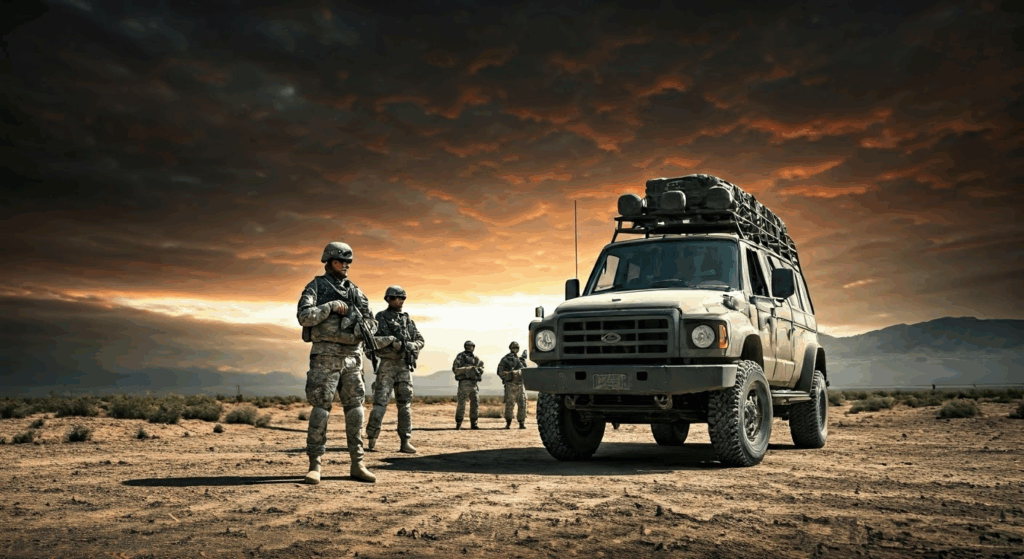
- Former President Donald Trump’s administration designated eight Mexican cartels as Foreign Terrorist Organizations (FTOs), empowering counterterrorism strategies against drug cartels.
- Escalating drug trafficking and human smuggling issues prompted consideration of direct US military moves.
- The Sinaloa Cartel, known for its ties to China in fentanyl production, remains a prime target for military intervention.
- Controversial plans for deploying US Special Forces raise concerns about Mexico’s sovereignty and bilateral tensions.
- The Mexican government, led by President Claudia Sheinbaum, firmly rejected any military presence of the US Army on Mexican soil.
Introduction
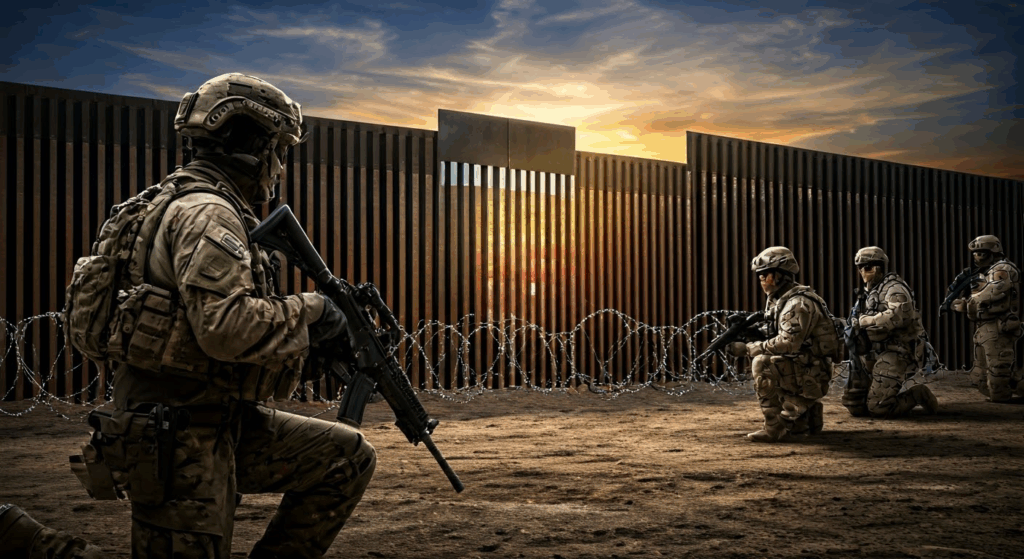
Drug cartels are becoming a bigger threat to the United States. They worsen problems by smuggling drugs and causing illegal immigration. President Donald Trump and his team took a strong stand against Mexican cartels. They labeled them as Foreign Terrorist Organizations. This label allows for stronger efforts to fight against them. These tough actions aim to reduce the power of these groups. However, there is a lot of debate about whether US troops should get involved. This raises concerns about the country's sovereignty and its relationships with other nations. It is important to keep an eye on what happens in this changing situation.
Background of US Involvement with Mexican Cartels
For many years, the United States has dealt with problems related to Mexican drug cartels. These cartels are involved in illegal markets like drugs and human trafficking, and they are horrible people that pose significant threats to both countries. At first, attempts to fight this threat involved cooperation between the US and Mexico.
Recently, under Trump's administration, there seems to be a stronger move towards military action. Actions like using CIA surveillance drones and sending Northern Command troops show a change in strategy. This raises questions about how effective these actions are and how they might affect relations between the US and Mexico. It sets the stage for a closer look at the situation.
Historical Context of US-Mexico Drug Wars
The US-Mexico drug conflict goes back to the late 1900s. Drug trafficking grew a lot at that time. Mexican cartels took advantage of weak laws. They built strong networks during this period. US groups, like the CIA, have been involved in counter-narcotics actions. This includes getting intelligence, watching movements, and secret missions.
In the early 2000s, cartel actions increased. They made profits from the narcotics trade. The Sinaloa Cartel rose to become a key player. Corruption in Mexican government made it harder to fight against the cartels.
More recently, efforts to work together have faced challenges, especially with President Andrés Manuel López Obrador (AMLO) changing military plans. This allowed cartels to strengthen their hold on important areas. Even with earlier efforts, drug smuggling continues to be a big part of cartel work. This ongoing problem raises questions about the need for stronger actions.
Recent Incidents Prompting Military Consideration
Cartel violence and fentanyl trafficking are increasingly putting US communities at risk. The Sinaloa Cartel, which is a key player in drug trafficking and is linked to Chinese suppliers, is a major part of this problem. A serious worry is how much power these cartels have, with their activities reaching across the southern border.
President Trump’s administration took strong steps, such as labeling these cartels as dangerous Foreign Terrorist Organizations. This allowed authorities to have more power in fighting back using counterterrorism laws. They can now take strong actions, like surveillance and secret missions.
As tensions rise, discussions about using direct military action are growing because of the worsening social and economic effects. CIA drone flights and focusing on cartel networks show rising impatience with how cartels operate without fear. These changes show a shift in how the US is starting to accept firm actions instead of just depending on talks or law enforcement.
The Proposal to Deploy US Troops
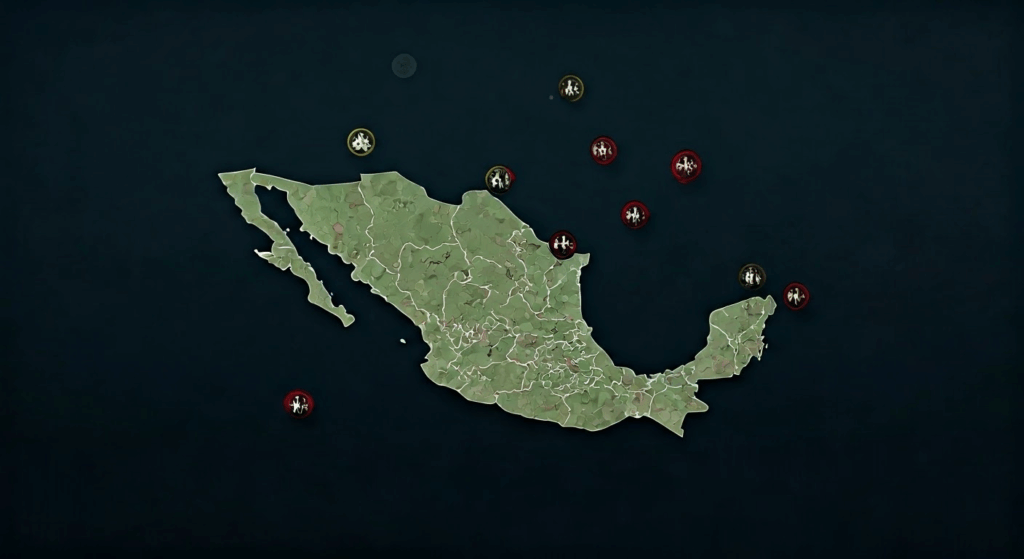
But the Mexican government strongly opposed any military presence in Mexico, stressing their independence. They suggested working together in a way that does not affect Mexico’s control. This option shows the growing tension between the two countries. It also raises questions about how practical it is when facing public reaction and legal challenges.
Key Details of the Controversial Offer
The idea to station US troops focuses on the rising power of drug cartels and highlights plans for military help at the southern border. There were suggestions to use Special Forces to support current law enforcement practices alongside Mexican forces.
Led by Trump, the efforts included using surveillance flights to gain better intelligence on drug activities. An increased military presence was promised to take strong actions against the cartels. However, Mexico rejected these plans last month on Saturday, and President Trump stated on Sunday that the Mexican President Claudia Sheinbaum strongly stated that their sovereignty is not up for discussion, stopping any military actions.
Although joint law enforcement could still happen, the thought of sending American troops raised concerns at home and abroad. This could mix up the lines between sovereignty and outside intervention, making it harder to deal with crisis created by the cartels.
Potential Impacts on US-Mexico Relations
Deploying US troops against Mexican cartels could hurt the US-Mexico relationship between the two countries. Last week, Mexico's President Claudia Sheinbaum focused on her country's sovereignty and strongly opposes foreign military activity, specifically the presence of the United States Army, on its land.
These actions could challenge the Mexican government and military, which already deal with claims of corruption and links to the cartels. More pressure from Washington might harm cooperation, creating conflict with important players.
However, working together on anti-cartel actions could be beneficial. Teaming up with Mexico's Secretariat of the Navy (SEMAR), known for its success in drug enforcement, shows there are positive opportunities. Improving teamwork while respecting Mexico’s independence might enhance the struggle against the cartels, balancing both diplomatic and security goals.
Conclusion
In conclusion, the idea to send US troops against Mexican cartels, potentially in coordination with the Mexican military, has caused a lot of discussion. This shows how complicated international relations and national security can be. The goal may be to fight drug trafficking and violence. However, we must not ignore the possible effects on US-Mexico relations. The history of US involvement in this area makes things more complex, and it raises questions about sovereignty, how effective this approach will be, and what long-term effects might happen. As talks go on, it is important for policymakers to think carefully about these issues, especially considering the importance of promotional communications regarding this matter, including the terms of use of any involved agreements. They should look for alternatives that focus on working together and finding complete solutions. If you want to keep up with this important topic, subscribe for updates and insights.
Frequently Asked Questions
What are the main objectives of deploying US troops against Mexican cartels?
Deploying US troops is meant to boost law enforcement against Mexican cartels. The goal is to disrupt drug trafficking and human smuggling activities. This military action aims to improve national security and tackle threats from these cartels. However, these plans create a lot of debate over issues of sovereignty.
https://www.defense.gov/News/Releases/release/article/2049534/statement-by-the-department-of-defense
https://www.dea.gov/press-releases/2024/05/09/dea-releases-2024-national-drug-threat-assessment