Military Enrollment to Combat Drug Wars: Age Limit Update
 admin001
Military Enrollment to Combat Drug Wars

Key Highlights
- The U.S. Army has increased the maximum age for new recruits from 35 to 42.
- A major change in military recruitment policy removes the waiver requirement for a single conviction of possession of marijuana.
- This rule change also applies to a single drug conviction for possession of drug paraphernalia.
- The Department of Defense is adjusting its policies to meet recruitment targets and attract technical talent.
- These updates aim to streamline the enlistment process and expand the pool of eligible candidates.
Have you heard about the recent shifts in United States military enrollment policies? The Army is making some significant updates to attract a wider range of candidates. These changes involve raising the maximum enlistment age and relaxing the rules around minor drug offenses, such as the possession of drug paraphernalia. If you've ever considered serving but thought you were too old or that a past mistake would hold you back, these new guidelines might open a door for you. Let's explore what these changes mean for potential recruits.
Recent Changes in US Military Enrollment Policies
The United States Army is overhauling its enlistment standards to address modern recruitment challenges. One of the most notable changes is the increase in the maximum enlistment age to 42. This move, guided by the Army Recruiting Command, aims to attract a more mature and experienced group of individuals.
In addition to the age adjustment, the Department of Defense has eased restrictions on applicants with a history of minor marijuana-related offenses. While every recruit must still pass a drug test, these policy shifts reflect a pragmatic approach by the federal government to widen the applicant pool and meet its annual recruitment goals. These updates are designed to bring in skilled candidates who might have previously been disqualified.
Raising the Recruitment Age Limit: Key Details and Rationale
The decision to raise the maximum age for the Regular Army isn't happening in isolation. It aligns the Army's age limit with that of other military branches, creating more consistency for those looking to serve. This change acknowledges that older recruits often bring valuable life experience and technical skills that are increasingly needed.

While there's no direct line drawn between the increased recruitment age and the war on drugs, the need for specialized talent is a key factor. As anti-drug operations become more technologically advanced, the military benefits from individuals with prior career experience. The higher age limit opens the door for professionals who can contribute to these complex missions. This change broadens the pool of potential service members beyond those with prior military service.
Here's how the new age limit for the Army compares to other branches:
| Military Branch | Maximum Enlistment Age |
|---|---|
| Army | 42 |
| Air Force | 42 |
| Space Force | 42 |
| Navy | 41 |
| Marine Corps | 28 (General) |
| Coast Guard | 42 |
Relaxed Marijuana and Drug Conviction Standards for Recruits
The Army has significantly updated its stance on past marijuana-related offenses. Previously, a single conviction for possession of marijuana required a special waiver from high-level officials, a 24-month waiting period, and a passed drug test before the waiver could even be considered. This created a major hurdle for many interested candidates.
Now, the rules are more forgiving. The Army recognizes that societal norms and state laws regarding cannabis have changed. Penalizing someone for a single, minor offense that is legal in many parts of the country was hindering recruitment efforts. The new policy is designed to give a second chance to qualified individuals.
Here are the key points of the new policy:
- A waiver is no longer needed for a single conviction of marijuana possession.
- A single conviction for drug paraphernalia possession also does not require a waiver.
- This change is for a single offense; a pattern of convictions will still require a waiver.
- The update aims to speed up the enlistment process and prevent losing good candidates.
Motivations Behind the New Military Enrollment Policies
The primary motivation for these policy changes is the struggle to meet recruitment targets. For years, the military has faced challenges in filling its ranks, prompting leaders to re-evaluate what might be keeping qualified people from joining. The updates reflect a strategic move to broaden the applicant pool and adapt to a changing society.
According to the chief of military personnel accessions, there's also a pressing need for technical talent. By raising the age limit and easing some restrictions, the military hopes to attract individuals with experience in high-tech fields. This is crucial as operations, including those related to drug control, become more sophisticated and require specialized knowledge.
Response to Recruitment Challenges in the United States
In recent years, the Army has faced significant recruitment shortfalls. For example, the service missed its recruitment target by a staggering 25% in the 2022 fiscal year. This has put immense pressure on military leaders to find new ways to attract and enlist qualified individuals. The old rules were turning away too many interested candidates for reasons that no longer seemed relevant.
One of the biggest challenges in recruiting, especially for anti-drug operations, is finding people with the right skills. These missions often require expertise in technology, intelligence, and data analysis. By raising the age limit, the Army can now tap into a demographic that has already built careers in these technical fields. This is a direct response to the need for a more skilled and mature workforce.
The relaxed marijuana rules also play a part. In a country where cannabis laws are rapidly changing, a strict policy on past use was a major barrier. By removing this hurdle for a single offense, the Army can avoid losing capable applicants and streamline the entire recruitment process, ensuring it doesn't lose good people to administrative delays.
Addressing the Evolving Nature of the War on Drugs
The nature of the war on drugs has changed, and the armed forces are adapting. Modern anti-drug operations are less about sheer numbers and more about intelligence, technology, and sophisticated tactics. This shift requires a different kind of soldier—one who might have experience in cybersecurity or data analytics.
The Department of Defense recognizes that old recruitment policies were hindering its ability to bring in this talent. Relaxing the rules on a single past marijuana conviction helps widen the net. It allows recruiters to focus on a candidate's skills and potential rather than a minor mistake from their past. This is especially important as more states legalize marijuana, making a past conviction less indicative of a person's character or fitness to serve.
The impact on recruitment for anti-drug operations is significant:
- It expands the pool of candidates with valuable technical skills.
- It acknowledges that societal views on marijuana have changed.
- It allows the military to recruit capable individuals who would have been disqualified under old rules.
Every recruit still has to pass a drug test, ensuring the military maintains its zero-tolerance policy for active-duty use.
Impact of New Policies on Military Recruitment and Drug War Efforts
These new policies are expected to have a noticeable impact on military recruitment. By expanding the eligibility criteria, the Army can attract a broader demographic, including older individuals with professional experience and those who previously thought a minor drug offense would bar them from service. This could help fill critical roles and meet annual recruitment goals.
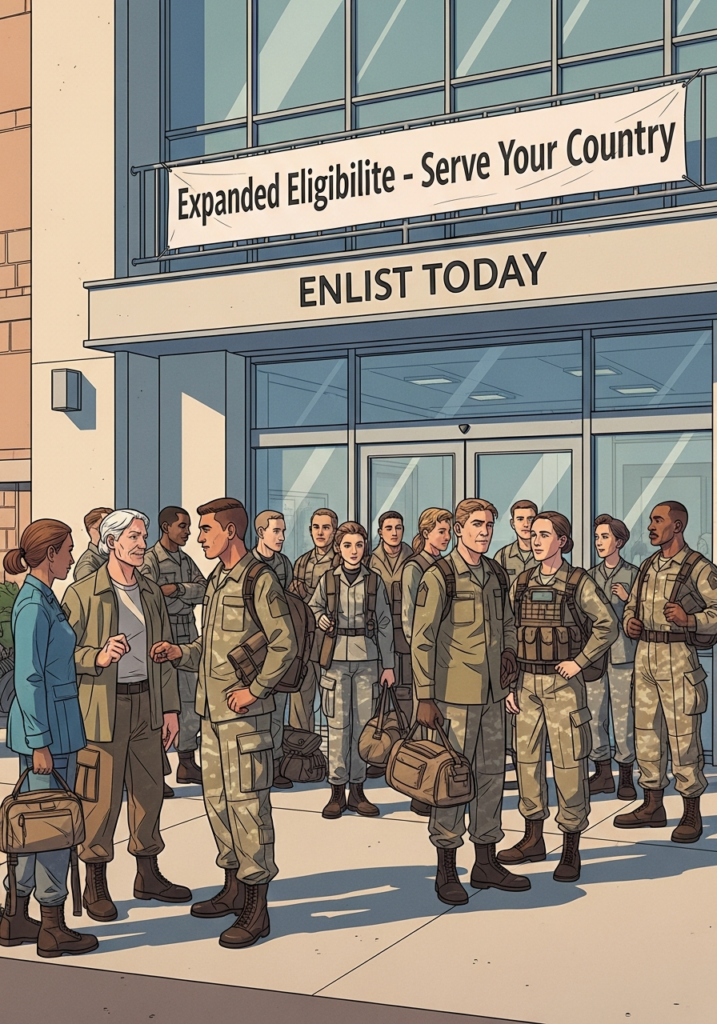
Regarding drug war efforts, the effect could be very positive. While some might worry that relaxing standards could reduce effectiveness, the focus is on bringing in technical talent. Modern operations rely heavily on intelligence and technology. Older, more experienced recruits could enhance the military's capabilities in these sophisticated missions, making anti-drug operations more effective, not less.
Older Recruits and Applicants with Previous Drug Offenses
Yes, the door is now open wider for older recruits, even those with certain previous drug offenses. The Army's new maximum enlistment age of 42 means that individuals who may have started a different career path now have the opportunity to serve. This change is aimed at bringing in mature individuals who can contribute a wealth of experience, which can be invaluable.
For these older applicants, a past minor run-in with the law is no longer the automatic disqualifier it once was. The removal of the waiver requirement for a single conviction of possession of marijuana is a game-changer. It means a mistake from years ago doesn't have to stand in the way of a military career.
This policy applies to a single marijuana conviction, allowing the Army to assess a candidate's overall qualifications rather than focusing on one past event. This pragmatic approach helps the military tap into a pool of talented individuals, including military veterans looking to re-enlist and civilians with critical skills, who are now eligible to join.
Military Waivers for Drug Convictions: Application and Process
Military waivers for drug offenses are still part of the enlistment process, but the rules have become more streamlined. The most significant change is that for certain minor offenses, a waiver is no longer needed at all. This update is designed to speed up recruitment and avoid losing qualified candidates to administrative backlogs.
Specifically, the Army has removed the waiver requirement for a single conviction of possession of marijuana or a single conviction of possession of drug paraphernalia. This is a major shift from the previous policy, which demanded a lengthy waiver process involving high-level approval from the Pentagon for even one minor offense.
For offenses that still require a waiver, such as a pattern of misconduct, the process has also been adjusted.
- Approval authority for many waivers has been moved to lower-level commanders.
- This change reduces administrative burdens since most waivers were being approved anyway.
- The goal is to make the enlistment process faster and more efficient.
- Standards for more serious felonious behavior have not been lowered.
Conclusion
In conclusion, the recent changes in military enrollment policies reflect a significant shift in addressing the challenges faced by recruitment efforts and the ongoing war on drugs. By raising the age limit and relaxing standards for drug convictions, the military aims to tap into a broader pool of candidates, including older recruits who bring valuable life experience. These adjustments not only enhance the diversity of applicants but also adapt to the evolving landscape of both military needs and societal issues related to drug use. As these policies unfold, it will be crucial to monitor their impact on recruitment and overall effectiveness in combating drug-related challenges. If you're considering joining the military or want to learn more about these new policies, don’t hesitate to reach out for further information.
Frequently Asked Questions
Has the US Army changed its stance on marijuana use for potential recruits?
Yes, the Army Recruiting Command has updated its policy. While active marijuana use is still prohibited and a drug test is required, the Army no longer requires a waiver for a single past conviction for possession of marijuana. This change for the Regular Army is designed to expand the pool of eligible recruits.
Are relaxed drug policies making a difference in combatting drug wars?
These relaxed policies help the armed forces recruit individuals with specialized technical skills needed for modern anti-drug operations. By not automatically disqualifying candidates for a single past drug conviction, such as for marijuana or drug paraphernalia possession, the military can bring in talent that enhances its operational effectiveness in these complex missions.
How does raising the enlistment age affect military effectiveness in anti-drug operations?
Raising the maximum age to 42 allows the military to recruit from a more mature audience that often possesses valuable technical talent and life experience. These older service members can bring specialized skills to anti-drug operations, enhancing the military's capabilities in intelligence, technology, and other critical areas, thereby boosting overall effectiveness.
https://www.armytimes.com/news/your-army/2022/10/02/army-misses-recruiting-goal-by-15000-soldiers
https://www.youtube.com/@BeardBrosMediaNetwork
https://taskandpurpose.com/news/army-enlistment-age-marijuana-waiver