The Impact of Arms Smuggling at the Border on Security
 admin001
Understanding Arms Smuggling at the Border and Its Impact
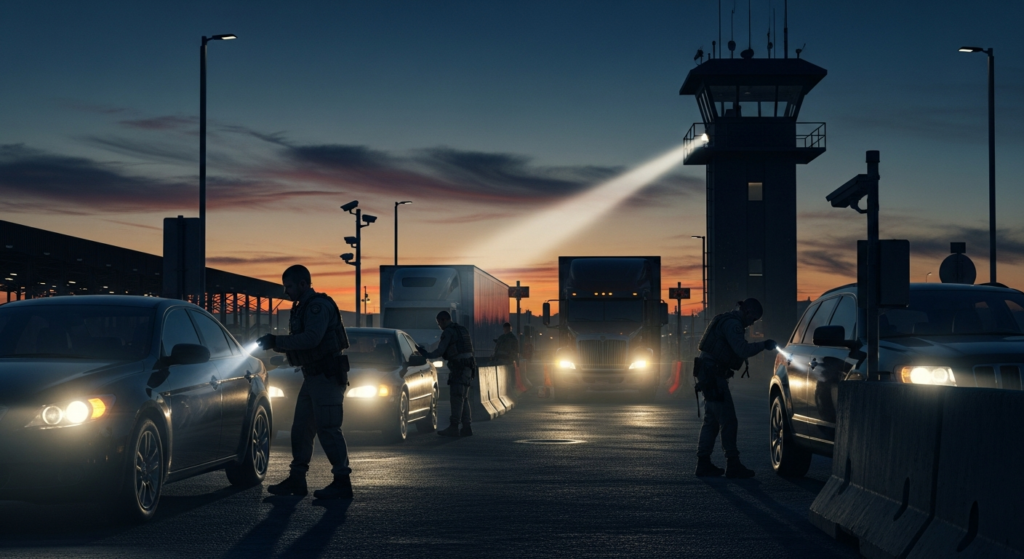
Key Highlights
- Arms smuggling is a significant driver of violence in Mexico, with many illegal firearms traced back to the United States.
- Organized crime groups use various methods, including "straw purchasers," to acquire weapons in the U.S. and smuggle them across the border.
- This illegal trade poses a direct threat to border security, law enforcement officers, and communities on both sides of the border.
- The flow of weapons fuels organized crime, increasing violent crime rates and impacting national security.
- U.S. and Mexican agencies collaborate to combat this issue, but they face significant challenges, including concealment techniques and corrupt officials.
- Efforts to stop arms smuggling involve international cooperation, advanced technology, and legal prosecution of offenders.
Introduction
When we talk about border security, the conversation often focuses on migration and drug trafficking. However, there's another critical issue that significantly impacts safety on both sides of the United States-Mexico border: arms smuggling. The southbound flow of illegal firearms from the U.S. into Mexico fuels violence and empowers criminal organizations. Understanding this complex problem is the first step toward finding effective solutions and enhancing security for everyone. This article will explore the deep-reaching effects of arms smuggling on border security.
Overview of Arms Smuggling at the US Border
Arms smuggling at the United States border is a persistent challenge that directly fuels organized crime and violence in neighboring countries, particularly Mexico. A significant portion of firearms recovered from crime scenes in Mexico originates from the U.S. This flow of weapons empowers drug cartels and other criminal groups, making it harder for law enforcement to maintain control.
Various U.S. agencies, including the Bureau of Alcohol, Tobacco, Firearms and Explosives (ATF) and Customs and Border Protection (CBP), are tasked with stopping this illegal trade. However, smugglers constantly adapt their methods, making interception a difficult and ongoing battle for border security officials.
Defining Arms Smuggling in the Border Context
In the context of the border, arms smuggling refers to the illegal movement of firearms, ammunition, and related components from one country to another. For the U.S.-Mexico border, this typically involves weapons legally purchased in the United States being illegally transported south to supply the black market. These weapons often end up in the hands of drug cartels and other criminal organizations.
One common method involves "straw purchasers." These are individuals with clean criminal records who legally buy guns in the U.S. on behalf of traffickers. The guns are then passed on to smugglers who use sophisticated concealment techniques to get them across the border. This method exploits U.S. gun laws and creates a complex supply chain that is difficult for authorities to disrupt.
The goal of this smuggling is to arm groups that cannot legally acquire such firepower, fueling a cycle of violence. This illegal trade undermines border protection efforts and poses a significant threat to stability in the region.
Key Border Regions Affected by Arms Trafficking
The impact of arms trafficking is felt most acutely along the U.S. southern border and deep within Mexico and Central America. The violence is heavily concentrated in drug trafficking regions, particularly along the Pacific Coast and in the northwest of Mexico. Cities and states in these areas experience high rates of gun-related homicides.
The flow of weapons doesn't stop at the border; it extends far south. Firearms smuggled from the U.S. are not only found in Mexico City but also make their way into countries in Central America, contributing to instability there. Key areas affected include:
- El Salvador: A significant percentage of crime guns seized here have been traced back to the U.S.
- Honduras: Nearly half of the firearms recovered from crime scenes in this nation also originate from the United States.
This wide distribution illustrates how arms trafficking from the U.S. has a far-reaching impact, creating security challenges across multiple nations and fueling displacement.
Scope and Scale of the Problem
The scale of small arms trafficking across the U.S.-Mexico border is vast and deeply alarming. While it's difficult to know the exact number of illegal weapons, data from firearms recovered at crime scenes in Mexico provides a stark picture. A large majority of these weapons are traced back to the United States.
Law enforcement entities on both sides of the border grapple with a complex supply chain. For example, between 2006 and 2011, tens of thousands of weapons recovered from Mexican drug cartels were found to have originated in the U.S. This consistent trend highlights the U.S. as a primary source for the firearms fueling violence south of the border.
The problem is not just about the number of guns, but also their type. Military-style, semi-automatic firearms are a significant part of this illegal trade.
| Weapon Type | Primary Source |
|---|---|
| AK Rifle Variants (semi-automatic) | United States |
| AR-15 Rifle (semi-automatic) | United States |
| Barrett M82 | United States |
| Fragmentation Grenades | United States, Central America, South Korea, etc. |
Methods of Arms Smuggling Across the Border
Organized crime groups have developed sophisticated methods to facilitate arms smuggling from the U.S. into Mexico. The supply chain often begins with straw purchasers—U.S. citizens who legally buy firearms from licensed dealers or at gun shows and then transfer them to traffickers.
These traffickers then employ various concealment and transportation techniques to move the weapons across the border. Because it's not a federal crime to traffic guns across the border, and because data collection is limited, these networks can operate with a reduced fear of federal prosecution, making the problem even more challenging to address.
Concealment Techniques and Transportation Routes
Smugglers use a wide array of concealment techniques to move weapons across the border, making detection a major challenge for border security. The primary method involves hiding firearms and their components within vehicles. This land-based smuggling leverages the high volume of daily cross-border traffic.
Traffickers are incredibly creative, hiding weapons in almost every conceivable part of a vehicle. This makes inspections difficult and time-consuming. Examples of documented hiding spots include:
- Inside fuel tanks
- Above exhaust systems
- Under bumpers
- Disassembled and mixed with other cargo
Furthermore, smugglers often break down weapons into smaller parts, which are easier to hide and harder to identify. These components are then reassembled in Mexico. This tactic complicates the supply chain and makes it tougher for authorities to trace the origins of a complete firearm.
Use of Corrupt Officials and Organized Crime Networks
Transnational organized crime networks are at the heart of the arms smuggling issue, and their success is often boosted by corruption. These criminal organizations rely on a steady flow of weapons to protect their drug trafficking routes, intimidate rivals, and challenge law enforcement.
Unfortunately, corrupt officials can play a role in facilitating this illegal trade. In some instances, weapons are stolen from police or military arsenals, or officials may be bribed to look the other way as arms are smuggled. This corruption can occur on both sides of the border, undermining the efforts of honest law enforcement officers.
The involvement of corrupt officials erodes trust in institutions and creates significant obstacles for those trying to dismantle these criminal networks. It's a critical weakness that transnational organized crime groups are quick to exploit, ensuring their access to deadly firepower continues.
Technology and Evolving Tactics
As authorities implement new security measures, smugglers constantly develop evolving tactics to bypass them. Technology plays a dual role in this cat-and-mouse game. While agencies like ATF and CBP use advanced technology for detection, criminal networks also leverage it for their own purposes.
For example, smugglers might use encrypted communication to coordinate their operations or social media to recruit straw purchasers. The rise of online sales has also created a "gray market" for firearms, where private transactions can occur without background checks, making it easier for traffickers to acquire weapons anonymously.
In response, border protection agencies are deploying more sophisticated surveillance and screening technology. However, the sheer volume of cross-border traffic and the ingenuity of smugglers mean that technology alone is not a complete solution. The tactics of arms traffickers are always changing, requiring constant adaptation from law enforcement.
Common Types of Weapons Trafficked
The illegal arms flows across the U.S.-Mexico border include a wide variety of firearms, small arms, and ammunition. The types of weapons preferred by criminal organizations are often those that provide significant firepower, allowing them to outgun local police and rival groups.
Research shows that military-style, semi-automatic firearms are among the most sought-after weapons. These are readily available for purchase in the United States but are highly restricted in Mexico, creating a high-demand market for smugglers. The subsequent sections will look closer at the specific types of weapons and components being moved illegally.
Firearms Most Frequently Smuggled
Among the most frequently smuggled small arms are military-style semi-automatic rifles. These weapons are highly prized by criminal organizations for their firepower and intimidating presence. The most common examples include AR-15 and AK-47 type rifles. These firearms can be purchased legally in a semi-automatic configuration in the U.S.
Once in Mexico, many of these assault rifles are illegally converted to fire automatically, turning them into machine guns. This modification dramatically increases their lethality and makes them suitable for the violent conflicts between cartels and with security forces. Along with the rifles, vast quantities of rounds of ammunition are also smuggled.
The demand for these types of firearms is driven by their effectiveness in armed confrontations. Their prevalence in seizures from Mexican crime scenes underscores the preference for high-powered, military-grade capabilities among criminal groups.
Ammunition and Weapon Components
Beyond complete firearms, the smuggling of ammunition and weapon components is a massive part of the illegal trade. Traffickers often find it easier to conceal and transport individual parts rather than fully assembled guns. These components are then reassembled in Mexico, creating complete, untraceable "ghost guns."
Smuggling weapon components helps criminals bypass laws that require serial numbers on finished firearms. When parts are purchased separately, they often lack the markings needed for tracing. This tactic is a direct response to law enforcement's reliance on tracing to identify the supply chain. Similarly, straw purchasers can buy ammunition in large quantities without raising the same level of suspicion as buying multiple guns.
This method exploits loopholes in regulations, as background check requirements may not apply to the purchase of individual components. By moving parts instead of whole weapons, smugglers make it incredibly difficult for authorities to track the flow of arms and hold traffickers accountable.
High-Powered and Restricted Military-Grade Arms
The smuggling issue extends to highly-destructive, military-grade arms that pose a grave threat to security forces and civilians alike. Reports have documented the use of grenade launchers against Mexican military and police, demonstrating the extreme level of firepower that cartels can access.
At least twelve M4 Carbines fitted with M203 grenade launchers have been confiscated in Mexico. While some of these weapons may be stolen from U.S. military bases or sourced from leftover supplies from past wars in Central America, evidence also points to counterfeit versions being manufactured specifically for cartels.
The presence of such weapons in the hands of criminals dramatically escalates the level of violence and changes the nature of confrontations with security forces. It turns skirmishes into battlefield-like scenarios, where law enforcement is dangerously outgunned and public safety is severely compromised.
Impact of Arms Smuggling on Border Security
The smuggling of firearms has a devastating impact on border security and public safety. This illegal trade directly arms organized crime groups, enabling them to carry out violent crimes, protect their trafficking operations, and challenge the authority of the state. The result is a cycle of violence that destabilizes border communities.
This continuous flow of weapons puts law enforcement officers at extreme risk and undermines efforts to secure the border. It's a critical threat to national security for both the U.S. and Mexico. The following sections will explore these impacts in greater detail, from rising crime rates to direct threats against communities.
Increased Violence and Organized Crime Activity
The direct link between arms smuggling and increased violence is undeniable. When organized crime groups have easy access to high-powered firearms, they are better equipped to engage in violent crimes, from turf wars with rival criminal groups to direct confrontations with the government. Mexico's murder rate reached an all-time high in recent years, with a majority of homicides committed with a firearm.
This influx of weapons transforms criminal disputes into armed conflict. The availability of military-style rifles and other powerful arms empowers cartels to operate with impunity, terrorizing communities and expanding their illicit enterprises. The violence is not random; it is a calculated tool used to control territory and protect valuable smuggling routes.
Ultimately, the flow of guns from the U.S. acts as a force multiplier for organized crime in Mexico. It provides the tools necessary to enforce their will through bloodshed, creating a climate of fear and instability that affects millions of people.
Threats to Law Enforcement and Border Communities
The proliferation of smuggled weapons poses a direct and deadly threat to law enforcement officers on both sides of the border. When criminals are armed with military-grade weapons, officers are often outgunned, making every encounter potentially fatal. This imbalance of power erodes state authority and makes it incredibly dangerous to police border communities.
Residents in these communities live under the constant threat of violence. The same weapons used in cartel battles can endanger innocent civilians caught in the crossfire. This hostile environment drives displacement, as families flee their homes in search of safety, contributing to migration pressures at the border.
The constant danger also takes a psychological toll on law enforcement officers and community members. The feeling that criminal groups can operate with such firepower undermines public trust in the government's ability to provide security, creating a cycle of fear and instability.
Effects on National Security and Public Safety
Arms smuggling is not just a law enforcement problem; it is a critical national security issue. The arming of powerful, transnational criminal organizations destabilizes a key U.S. ally and neighbor. This instability can have ripple effects, impacting trade, migration, and regional security. The ability of cartels to challenge the Mexican state creates a volatile situation right at the U.S. border.
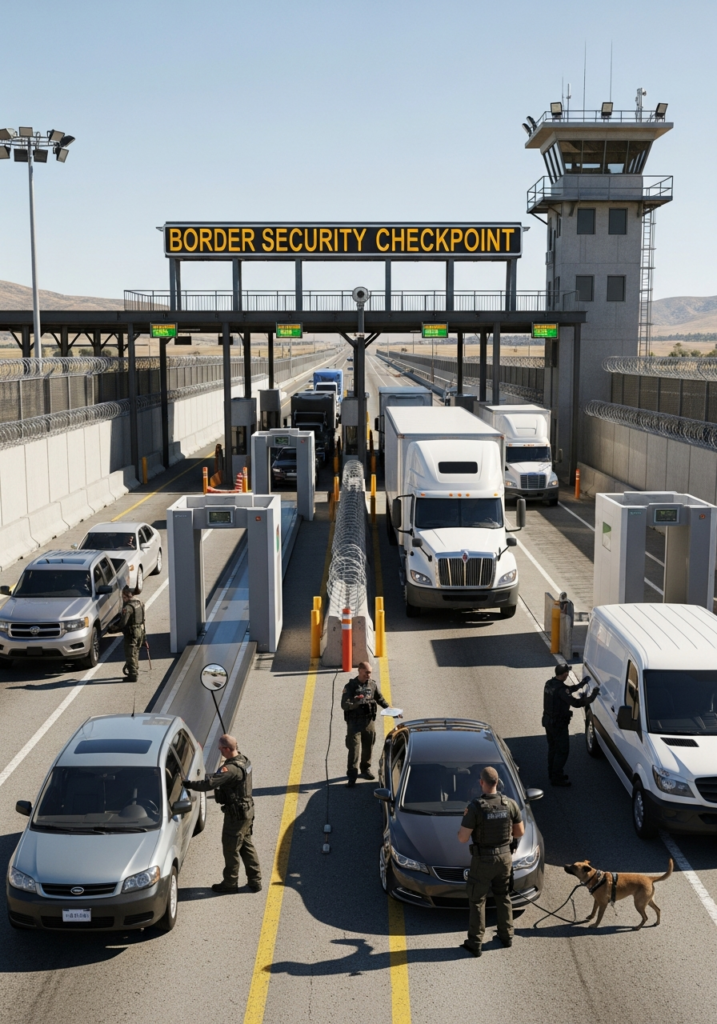
Current security measures struggle to keep pace with the vast and lucrative black market for firearms. This undermines public safety in both countries. In Mexico, it fuels an epidemic of gun violence. In the U.S., it means that legally purchased guns are contributing to bloodshed abroad, and the associated organized crime creates security threats that can spill back across the border.
Effectively tackling this issue requires a shared sense of responsibility. Without robust and coordinated efforts to stop the southbound flow of weapons, the threat to public safety and national security will only continue to grow.
Efforts to Combat Arms Smuggling
Combating arms smuggling requires a multi-faceted approach involving robust law enforcement action and international cooperation. In the United States, several federal agencies are on the front lines of this fight, working to disrupt trafficking networks before weapons reach the border. These efforts are complemented by partnerships with the Mexican government.
The Bureau of Alcohol, Tobacco, Firearms and Explosives (ATF) leads many of these initiatives, providing investigative support and technology. However, the fight is complex, involving everything from border protection and surveillance to diplomatic engagement with Mexico and other nations. The following sections highlight the key players and strategies in this ongoing battle.
Role of US Agencies in Border Security (ATF, DHS, CBP)
Several U.S. agencies form a critical line of defense against arms trafficking. The Bureau of Alcohol, Tobacco, Firearms and Explosives (ATF) is a key player, with initiatives like Project Gunrunner aimed at stopping the flow of guns into Mexico. The ATF also manages the eTrace system, a database used to trace the origin of firearms recovered in crimes.
The Department of Homeland Security (DHS) and its components are also heavily involved. U.S. Customs and Border Protection (CBP) is responsible for securing the border itself, inspecting vehicles and cargo for contraband. Meanwhile, Homeland Security Investigations (HSI), a part of U.S. Immigration and Customs Enforcement, conducts probes into illicit activities, including weapons trafficking.
Together, these agencies share intelligence and coordinate operations to disrupt smuggling networks. The ATF, for instance, has offices in Mexico to work directly with local counterparts, providing training and investigative support to help trace weapons and build cases against traffickers.
International Cooperation with Mexico and Other Nations
Stopping the flow of illegal arms cannot be done by one country alone. International cooperation, particularly between the United States and the Mexican government, is essential. U.S. agencies work closely with Mexican authorities, including the federal police and military, to share intelligence, conduct joint investigations, and provide training.
These partnerships extend beyond Mexico to other nations in Central America, which also suffer from violence fueled by U.S.-sourced weapons. The U.S. has proposed ratifying treaties like the Inter-American Convention Against the Illicit Manufacturing of and Trafficking in Firearms (CIFTA), which encourages member states across the Western Hemisphere to share information and adopt stricter licensing and tracing requirements.
Despite these efforts, challenges remain. Issues like data sharing limitations and differences in legal systems can complicate collaboration. However, both the U.S. and Mexican authorities recognize that a coordinated, cross-border strategy is the only effective way to dismantle the powerful criminal networks behind arms trafficking.
Advanced Technology and Surveillance for Detection
Advanced technology and surveillance are crucial tools in the fight against arms smuggling. Border agencies use a variety of high-tech equipment to scan vehicles and cargo for hidden contraband without having to manually inspect everything. This includes large-scale X-ray systems and other non-intrusive inspection technologies that can help officers spot anomalies.
Furthermore, technology is vital for tracking and analysis. The ATF's eTrace system is a computerized database that helps law enforcement trace firearms from their manufacturer or importer to their first retail sale. Information from official government organization websites provides data on these efforts, though access can sometimes be restricted. Secure websites are used to share sensitive information between agencies.
However, technology is not a silver bullet. Smugglers are constantly adapting, and authorities face hurdles like the sheer volume of cross-border traffic and legal barriers to data collection. The official websites of agencies like the ATF and DHS often detail these programs, highlighting both the successes and the ongoing challenges in using technology to secure the border.
Legal Consequences and Reporting of Arms Smuggling
Addressing arms smuggling also requires strong legal consequences for offenders and transparent reporting to understand the problem's scope. The legal framework surrounding firearms trafficking is complex, and efforts to strengthen it have been a topic of debate. Prosecution of traffickers is a key deterrent, but building these cases can be challenging.
Reports from bodies like the Government Accountability Office (GAO) have highlighted both the successes and shortcomings of current strategies. Understanding how weapons seizures are tracked and what penalties smugglers face is crucial for evaluating the effectiveness of the response. The following sections will explore the legal and reporting mechanisms in place to combat this crime.
Federal Penalties and Prosecution for Offenders
Individuals caught smuggling arms or acting as straw purchasers face serious federal penalties. The prosecution of these offenders is a critical part of disrupting the supply chain. Straw purchasers, who buy guns for people who can't pass a background check or want to remain anonymous, can be charged with making false statements on federal forms, which is a felony.
However, trafficking firearms across international borders is not, in itself, a specific federal crime, which critics argue is a major loophole. Instead, prosecutors often have to rely on a patchwork of other charges. Despite this, law enforcement has successfully dismantled numerous smuggling rings, leading to significant prison sentences for the organizers.
For example, a Houston man was sentenced to eight years in prison for selling guns to drug lords. These prosecutions send a message that the government is committed to holding traffickers accountable, though many argue that stronger, more specific laws are needed to truly deter this illegal activity.
How Weapons Seizures Are Tracked and Reported
The tracking and reporting of weapons seizures are vital for understanding the dynamics of arms trafficking. When Mexican authorities seize a firearm, they can request a trace through the ATF's eTrace system. This process attempts to identify the weapon's origin, from manufacturer to the first retail purchaser in the U.S.
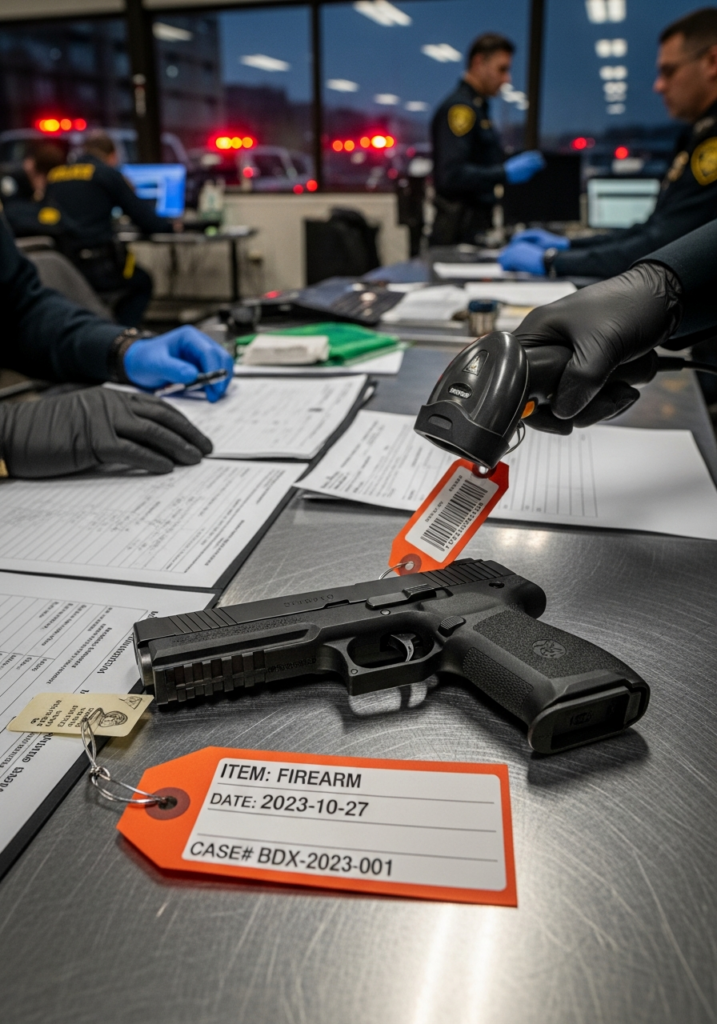
However, the system has limitations. As reported by sources like the Associated Press, not all seized weapons are submitted for tracing. Mexican law requires guns to be turned over to the army quickly, which can limit access for tracing. Furthermore, the data submitted is sometimes incomplete, leading to unsuccessful traces. This means the available statistics only represent a fraction of the total problem.
Independent research groups like the Small Arms Survey and organizations like the Woodrow Wilson Center also analyze and report on trafficking trends, providing valuable insights that complement official government data. This combined reporting effort helps paint a fuller, though still incomplete, picture of the scale of the issue.
Conclusion
In conclusion, the impact of arms smuggling at the border is a complex issue that poses significant threats to national security and public safety. As we've explored, the methods employed by traffickers, the types of weapons involved, and the consequences for communities and law enforcement paint a grim picture. However, proactive efforts from U.S. agencies and international partners are crucial in combating this illegal trade. By enhancing surveillance technology and fostering cooperation, we can work toward a safer border environment. If you have further questions or want to learn more about how to support efforts against arms smuggling, don’t hesitate to reach out for more information or guidance.
Frequently Asked Questions
What are the biggest challenges in stopping arms smugglers at the border?
The biggest challenges include the sheer volume of traffic across the southern border, the sophisticated concealment methods used by organized crime, and legal loopholes that make prosecution difficult. Law enforcement must also contend with the use of straw purchasers and the constant evolution of smuggling tactics, making interception a persistent battle.
How do authorities coordinate across borders to address arms trafficking?
U.S. agencies coordinate with Mexican authorities through international cooperation initiatives. This includes sharing intelligence, conducting joint investigations, and providing training and technology like the eTrace system. These partnerships are crucial for border protection and disrupting the organized crime networks responsible for trafficking.
What role do international organizations play in combating arms smuggling?
International organizations like the United Nations promote cooperation among member states to combat small arms trafficking. They help establish treaties and frameworks that encourage information sharing and stricter controls on arms sales, viewing the issue through the lens of human rights and regional stability, as the United Nations Security Council sometimes does.
https://doi.org/10.1007%2Fs12117-008-9052-y
https://doi.org/10.1007%2Fs10610-014-9247-5
https://www.bbc.com/burmese/burma-59054651ခဲယမ်းလိုအပ်ချက်ပြန်မြင့်လာတဲ့
https://www.latimes.com/archives/la-xpm-1997-03-15-mn-38557-story.html
https://www.youtube.com/user/StraitsTimesOnline
https://www.nytimes.com/2007/10/07/world/europe/07smuggler.html