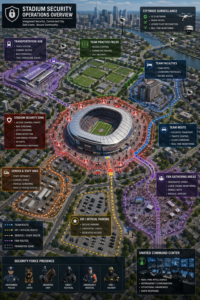
Special Reports Carlos Hank: Essential Guide to FIFA World Cup Security Transportation
 admin001
An Overview of FIFA World Cup Security Transportation Logistics
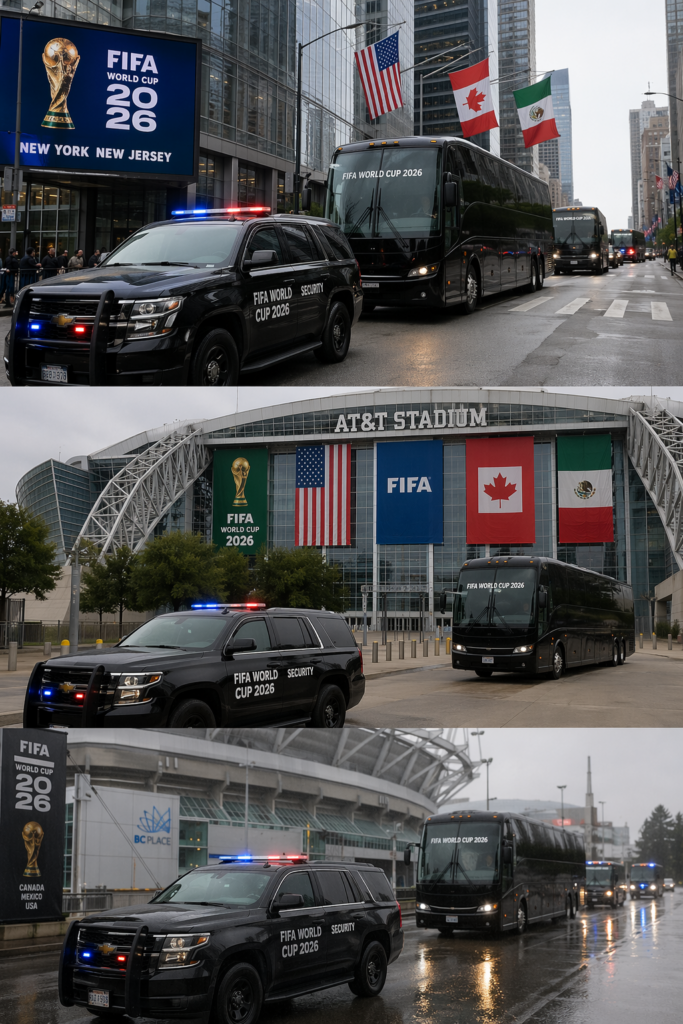
Key Highlights
- The FIFA World Cup will test world cup security across many host cities at once.
- Mass transit will carry a major share of fans, especially near MetLife Stadium.
- Law enforcement agencies are expanding staffing, command centers, and matchday coordination.
- Technology supports visibility through live feeds, real-time monitoring, and shared alerts.
- Host cities are tightening access rules to reduce risk around venues and transit hubs.
- Planning now covers both scheduled travel demand and unexpected disruption.
Introduction
The FIFA World Cup brings huge excitement, but it also brings a major logistics challenge. Millions of world cup fans will move through stadium zones, transit stations, roads, and city centers over a short period. That is why world cup security is not limited to what happens inside venues. It also covers how people get there, how crowds are managed, and how agencies respond when plans change. If you are traveling to matches, this transportation picture matters just as much as the game itself.
The Scale and Complexity of FIFA World Cup Transportation Security
This world cup is larger than typical large scale events. It spans 104 matches across 16 host cities in the United States, Canada, and Mexico, which makes movement planning far more demanding than a single-site event.
At the same time, transportation agencies are not just preparing for scheduled arrivals and departures. World cup security must also account for overcrowding, cyber threats, bomb threats, swatting attempts, and fast-changing crowd behavior. That mix is what makes coordination so hard.
Understanding the Magnitude of Event Operations in the United States
In the New York and New Jersey region, the scale becomes very real. MetLife Stadium will host eight matches, including the final, and officials expect about 80,000 people at each game. New Jersey State Police described each match as similar in intensity to a Super Bowl.
What does that mean for match days? It means transportation agencies must support stadium operations, base camps, team escorts, training sites, and hotels at the same time. A state police command center in Ewing Township is set to connect with more than 400 local, state, and federal agencies.
Just as important, mass transit will do much of the heavy lifting. NJ Transit expects roughly 40,000 fans per game, with around 28,000 traveling from New York. Security checkpoints at Penn Station, Secaucus, and MetLife Stadium show how host cities are preparing infrastructure for both movement and control.
How Large-Scale Crowds Impact Security Logistics
Large scale events create pressure points long before kick off. World cup fans arrive in waves, then leave in even tighter windows after the final whistle. That pattern can quickly strain public transit systems, station platforms, and roads around venues.
The biggest challenge is not only volume. It is unpredictability. A late goal, a painful loss, or a security alert can change crowd behavior in minutes. That is why congestion planning has to cover both the expected rush and the sudden surge.
- Platforms and station choke points can become crowded very fast.
- Post-match emotions can increase the chance of disorder or delay.
- Road access near venues can be disrupted by controls or incidents.
- A single threat can force multiple agencies to shift resources at once.
Core Security Measures for Safe Transportation During the World Cup
The main layers of world cup security focus on limiting risk while keeping people moving. Transportation agencies and law enforcement agencies are using checkpoints, command posts, controlled access, patrols, and active monitoring to support public safety.
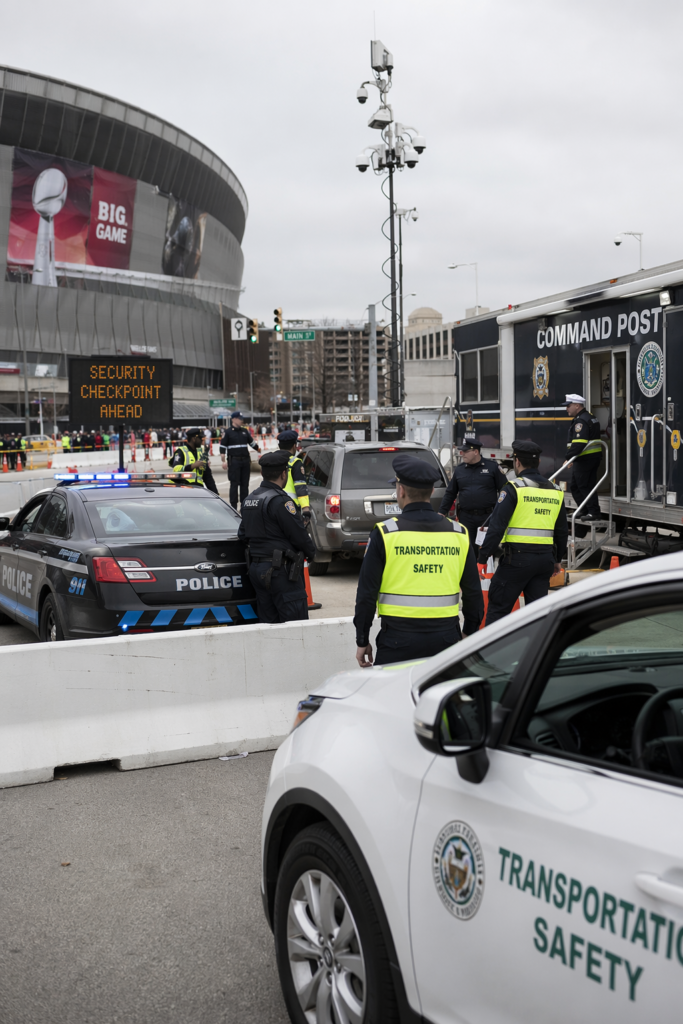
You can see the strategy clearly in New Jersey. Officials plan tighter access to stadium property, heavier police staffing on matchdays, and transit-based arrival patterns instead of open vehicle flow. These steps reduce pressure around venues and help agencies respond faster when something changes.
Vehicle Screening, Surveillance, and Patrolling Strategies
A strong transportation plan starts by narrowing entry points and watching them closely. In the New Jersey setup, general spectator parking on stadium property is not part of the plan, and walking to the stadium is not allowed. Fans will use mass transit or rideshares instead.
That approach supports vehicle screening and broader surveillance. It reduces uncontrolled vehicle access and lowers the chance that bad actors can blend into open traffic around the venue. Inside command centers, officials expect to use live drone feeds from sites and local command posts for constant visibility.
Patrolling adds another layer for public safety, especially on matchdays when staffing will rise.
- Access roads can be checked before vehicles move near venues.
- Surveillance feeds help teams spot disruption early.
- Patrolling supports faster response at transit points and stadium zones.
Access Control Systems at Transit Stations and Venues
Access control will rely on fewer open entry routes and more verification at key points. In the regional stadium mobility plan, checkpoints are expected at Penn Station, Secaucus, and MetLife Stadium. That means screening begins before many fans even reach the venue.
Another major rule is simple but important: to get on stadium property, you must have a ticket to the game. Officials have said this removes tailgating and cuts down on unmanaged crowds near venues. It also helps staff focus on verified guests rather than broad walk-up traffic.
Here is how that access control model looks in practice:
| Location | Access control step |
|---|---|
| Penn Station | Security checkpoint before onward travel |
| Secaucus | Screening and controlled transfer flow |
| MetLife Stadium | Ticket verification and managed entry |
| Stadium property | No general access without a match ticket |
Integrating Technology for Secure and Smooth Crowd Movement
Technology helps agencies move from reacting to anticipating. For crowd movement, that means stronger visibility, real-time monitoring, and faster communication when something unusual begins to develop around transit or stadium areas.
Officials are pairing live feeds and alert systems with broader intelligence tools. The compiled planning material highlights artificial intelligence, sensors, and shared warning systems as useful ways to detect early signs of disruption. That matters because even a few saved minutes can improve routing, staffing, and response.
Use of Real-Time Monitoring, Sensors, and AI Tools
Real-time monitoring gives transportation teams a live picture of what is happening, not just what was planned. In New Jersey, command staff expect to view live drone feeds from all major sites. Each site will report into a central command post, which improves visibility across the operation.
AI tools also support earlier warning. The transportation planning material notes that real-time event, threat, and risk intelligence can surface signs of public safety incidents before conditions escalate. That kind of early signal is valuable when transit platforms or access corridors can become overloaded in minutes.
The bigger benefit is intelligence sharing. When multiple agencies receive the same alert at the same time, they can respond to disruption faster and with less confusion. That common operating picture supports smoother crowd movement across host cities, not just at one venue.
Cybersecurity Considerations in Transportation Networks
Cybersecurity is a major concern because digital problems can quickly become physical ones. The planning material points to possible attacks on transit signage, traffic light coordination, and ticketing systems. If those systems fail, public transit and subway travel can slow down or become confusing very fast.
That is why cybersecurity is part of transportation security, not a separate topic. Agencies are watching for threats that could disrupt access control, fan movement, and communications during high-visibility matches. The concern is especially high because major events can attract actors looking to create confusion without breaching the venue itself.
Key cybersecurity focus areas include:
- protecting ticketing and access control systems from disruption
- monitoring public transit and subway network vulnerabilities
- using AI and shared alerts to spot threats earlier
Collaborations and Agency Involvement Across Host Cities
No single group can manage this event alone. Across host cities, transportation security depends on tight coordination between local law enforcement, transit operators, emergency managers, and federal agencies.
In New Jersey, officials said more than 400 local, state, and federal agencies will partner through linked command posts and a central command center. That model matters because the World Cup is spread across many jurisdictions. Shared information and quick coordination help agencies handle both planned movement and sudden incidents.
Roles of Local Law Enforcement, TSA, and CBP in Coordinated Security Operations
Local law enforcement agencies are the most visible part of transportation security on matchdays. In the New Jersey plan, police staffing at MetLife Stadium will be roughly double what fans see at a typical Jets or Giants game. That stronger presence supports public safety at transit links, venue approaches, and command posts.
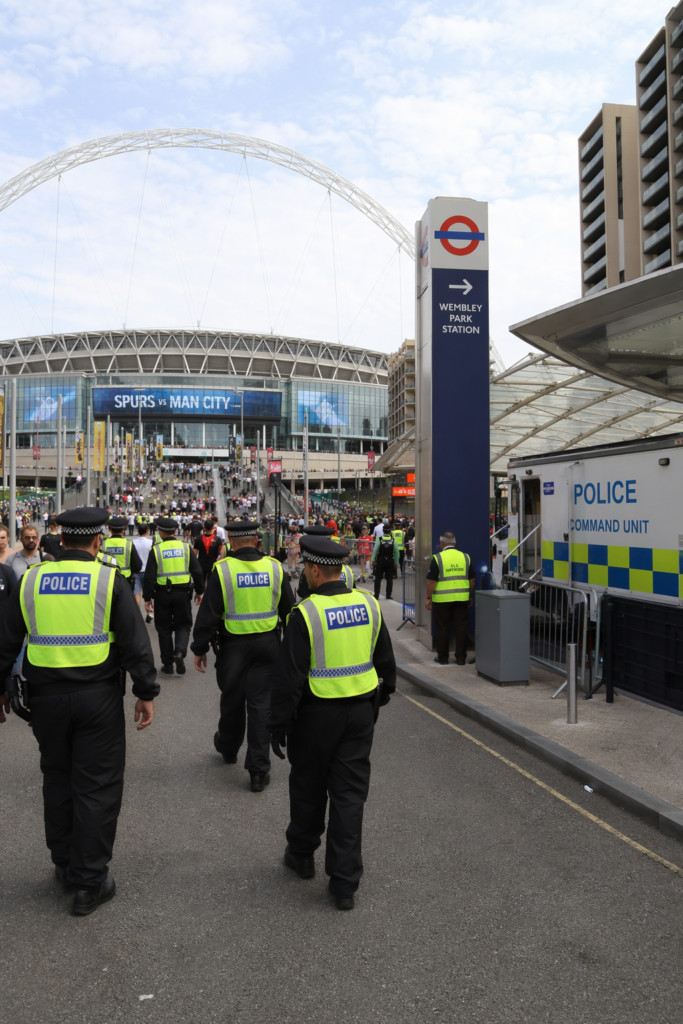
Federal support fits into the wider coordination structure. Officials have said they will work with hundreds of local, state, and federal agencies, while DHS and the FBI have already warned that large scale events can draw threats of violence. In that kind of environment, agencies like TSA and CBP are part of the broader federal coordination picture.
The key point is shared action. Whether the issue is screening, incident awareness, or interagency communication, coordination helps teams make faster decisions and keep travelers moving safely.
Infrastructure Upgrades and Planning for World Cup Security
Host cities are preparing by adjusting physical infrastructure and operating plans, not by waiting for match week. Public transit routes, roads, access points, and venue approaches are being mapped around expected crowd volumes and security needs.
The clearest example is the shift away from open stadium driving. With transit checkpoints, dedicated mobility plans, and controlled stadium entry, officials are reshaping how fans reach venues. These changes help reduce unmanaged buildup near gates and support a more secure flow from station to seat.
Enhancements to Public Transit, Roads, and Access Points
Transit is at the center of the infrastructure plan. NJ Transit expects to move tens of thousands of fans per game, while other cities are also expanding service windows. In Los Angeles, bus service to the stadium is set to begin up to three hours before kickoff with support from more than 10 regional transit providers.
Road planning is also changing. Since there will be zero general spectator parking on MetLife Stadium property, the area around the venue can be managed with fewer uncontrolled vehicles. That helps special events operations by reducing roadside conflicts and tightening access points.
Examples of these enhancements include:
- added public transit systems capacity on matchdays
- checkpoint-based entry at major transfer locations
- reduced private vehicle access on stadium roads
- dedicated buses and shuttles for fan movement
Special Procedures for Stadium Entry and Ticket Verification
If you are attending on matchdays, expect a controlled journey rather than a casual arrival. In the New Jersey plan, fans will not walk to the stadium and will not rely on general parking at the venue. Instead, travel will be funneled through mass transit or rideshares, with checkpoints along the way.
Ticket verification begins before entry to the venue area. Officials have said that to get on stadium property, you must have a game ticket. This is a major shift because it removes tailgating and narrows venue access to verified attendees.
A simple view of the process looks like this:
| Step | What fans should expect |
|---|---|
| Transit approach | Controlled routing through key stations |
| Pre-venue movement | Security checkpoints at major access points |
| Stadium property | Ticket verification required for entry |
| Final venue access | Managed screening and directed flow |
Managing Security Beyond Stadiums and High-Traffic Areas
World cup security does not stop at the gate. Public safety planning also covers urban environments, transit hubs, roads, and gathering spots where crowds form before and after matches.
That wider view is important because high-traffic areas can face the same risks as venues. Agencies are preparing for congestion, disorder, bomb threats, swatting attempts, and other incidents near transportation infrastructure. Protecting people outside stadiums depends on perimeter controls, monitoring, and strong emergency coordination.
Perimeter Security and Public Safety in Urban Environments
Perimeter security helps create order before fans ever reach a gate. In busy urban environments such as New York City and the areas surrounding major stations, agencies focus on choke points, transfer zones, and venue approaches where crowds naturally gather.
The regional plan around MetLife Stadium shows how this works. Officials are limiting how people access the property, using checkpoints at major locations, and reducing open vehicle activity near the site. That lowers pressure on nearby streets and supports public safety well beyond the venue walls.
Important perimeter steps include:
- controlling who can enter stadium property
- monitoring approaches with live feeds and command posts
- deploying more officers at critical access points
Emergency Response and Contingency Plans for Unexpected Events
Even the best plan cannot cover every surprise, so emergency response depends on fast adaptation. Transportation agencies are preparing for unplanned incidents that could affect travel or safety, including threats, crowd surges, and infrastructure problems.
Some risks come from outside the event itself. The planning material notes the need to watch for disease issues, cyber incidents, and broader disruptions. It also points to the value of early warning when conditions begin to change. In a season where climate change and wildfires can affect operations in parts of North America, contingency plans matter even more.
Those contingency plans often focus on:
- rerouting people when disruption affects transit access
- sharing alerts quickly across agencies and host cities
- repositioning resources when incidents develop suddenly
Conclusion
In summary, the transportation security logistics surrounding the FIFA World Cup are complex yet crucial for ensuring the safety of all attendees. By understanding the scale of operations, implementing core security measures, and integrating advanced technology, event organizers can facilitate smooth and secure movement of large crowds. Collaboration with local law enforcement and thorough planning for infrastructure upgrades further enhance security protocols. As fans prepare to enjoy this monumental event, it's essential to recognize the importance of these meticulous efforts to maintain public safety. Stay informed and embrace the excitement of the World Cup while understanding the vital role security plays in making it all possible!
Frequently Asked Questions
What security checks should ticket holders expect when using transportation to World Cup stadiums?
World cup fans should expect access control at key transit points, especially on routes serving venues. Ticket verification may begin before reaching stadium property, and travel will often be guided through public transit checkpoints. In some locations, only ticketed guests will be allowed onto the property surrounding the venue.
How do FIFA World Cup transportation security measures compare between the United States and Mexico?
The compiled information shows a shared regional focus across host cities in the United States, Canada, and Mexico. Transportation agencies and law enforcement agencies are planning for crowding, threats, and disruption across the tournament. Specific local tactics may vary, but the broader world cup security model centers on transit control, coordination, and monitoring.
What steps are taken to prevent cybersecurity threats in transit systems during the World Cup?
Agencies are treating cybersecurity as a direct public transit concern because attacks can cause real-world disruption. Planning includes watching for threats to signage, ticketing, traffic systems, and subway operations. AI-supported alerts and shared monitoring help teams spot issues earlier and protect traveler movement during the tournament.
https://lu.usembassy.gov/already-destinations-u-s-cities-embrace-fifa-world-cup-2026
https://www.fifa.com/en/tournaments/mens/worldcup/canadamexicousa2026
https://accessibe.com/blog/knowledgebase/screen-reader-guide