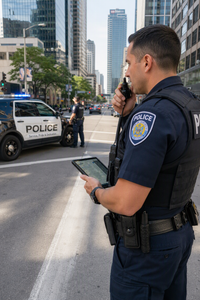
Enhance Skills with Police Tactics Training for Teams
 admin001
Advanced Police Tactics Training for Tactical Teams
Key Highlights
- Advanced defensive tactics training helps law enforcement improve officer safety during critical incidents.
- Strong programs build tactical skills through communication, movement, positioning, and stress control.
- Effective training connects use of force with legality, proportionality, and sound judgment.
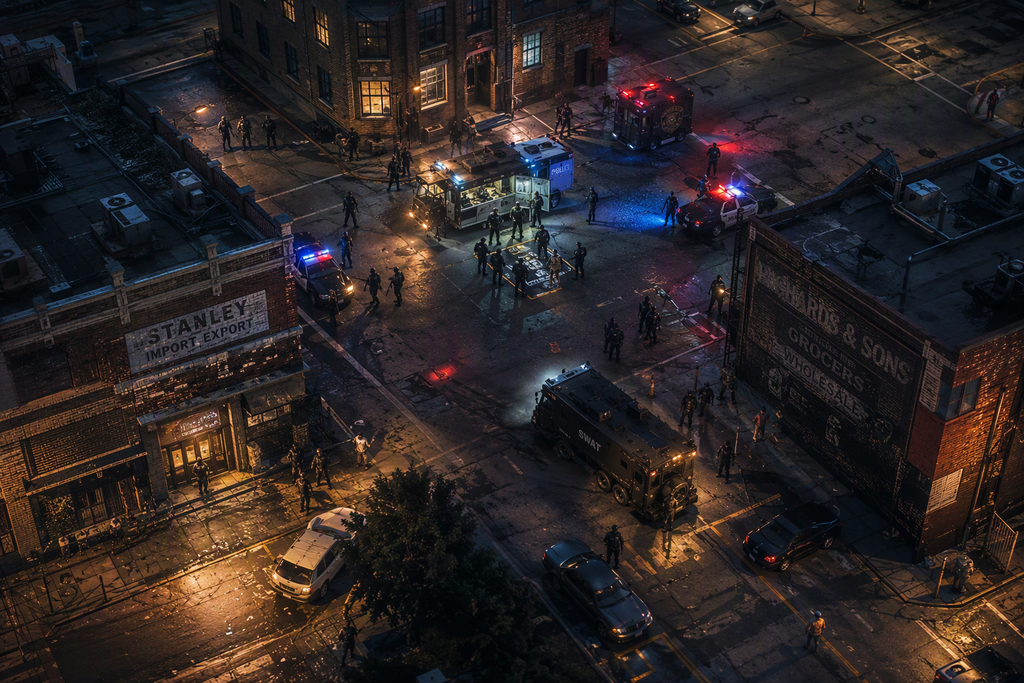
- Tactical teams benefit from scenario practice that reflects real conditions and public safety demands.
- Ongoing training and best practices help agencies stay consistent, accountable, and ready.
- Arrest, control, and decision-making methods work best when paired with clear communication.
Introduction
Law enforcement officers face fast-moving calls where one poor decision can raise the risk of injury for everyone involved. That is why strong tactical response depends on more than strength or speed. Effective training programs teach officers how to stay aware, communicate clearly, and apply control in a lawful way. These police tactics training programs focus on essential skills such as situational awareness, clear communication, de-escalation techniques, use of force management, teamwork, and critical decision-making under pressure. When those pieces work together, teams are better prepared for dangerous situations, shifting resistance, and the demands of modern field operations.
Core Components of Advanced Police Tactics Training
Advanced law enforcement training for tactical teams centers on preparation, awareness, and decision-making. Officers learn practical methods for subject control, movement, positioning, and communication during critical incidents. Training courses focus on what works under stress, not on complicated moves that break down in the field.
Just as important, law enforcement agencies need ongoing training to keep those skills sharp. A solid foundation also includes legal standards, proportional response, feedback, and structured reviews. For instructors, basic programs commonly reinforce lesson delivery, policy alignment, and practical control methods that officers can apply consistently.
Essential Skills and Techniques for Tactical Teams
At the advanced level, tactical skills are built around reliability. Officers need techniques they can use in confined spaces, under pressure, and against different levels of resistance. The goal is simple: improve officer safety while maintaining control and reducing unnecessary harm.
Common control tactics and physical techniques include:
- Body mechanics, balance, and leverage for efficient subject control
- Positioning and distance management to handle potential threats
- Weapon retention and self-defense during physical confrontations
- Clear verbal direction paired with movement and restraint
- De-escalation tactics that support alternative responses before force
A strong program also teaches officers how to combine these skills instead of treating them as separate tasks. Communication, posture, and controlled movement support each other. That is what makes effective defensive tactics practical in real encounters, especially when conditions change without warning.
Scenario-Based Training for Real-World Situations
Real-world situations are rarely neat or predictable. Scenario-based training helps officers practice communication, movement, and control at the same time. Instead of memorizing steps, they learn how to adapt when a subject’s behavior, the environment, or available resources suddenly change.
This approach improves situational awareness and supports public safety. Officers are trained to identify behavioral cues, manage distance, and recognize escalation early. In crisis intervention settings, that can mean shifting from physical control to verbal guidance, or slowing the pace to create safer options. Defensive tactics training helps police officers handle real-world situations by building their confidence in responding appropriately under pressure, teaching practical skills for managing unpredictable encounters, and preparing them to make rapid decisions that prioritize safety for all involved.
Use-of-force principles are reinforced during these simulations. Officers assess behavior, surroundings, and consequences before acting. Debriefs then help them review what worked, what created risk of injury, and how to respond more effectively during future critical incidents.
Integrating Use-of-Force and Defensive Tactics
Use of force and defensive tactics are taught as connected parts of one response system. Officers are expected to act within constitutional and departmental guidelines while applying proportional, objective, and accountable decisions. That balance supports effective law enforcement and helps officers act with clarity rather than hesitation.
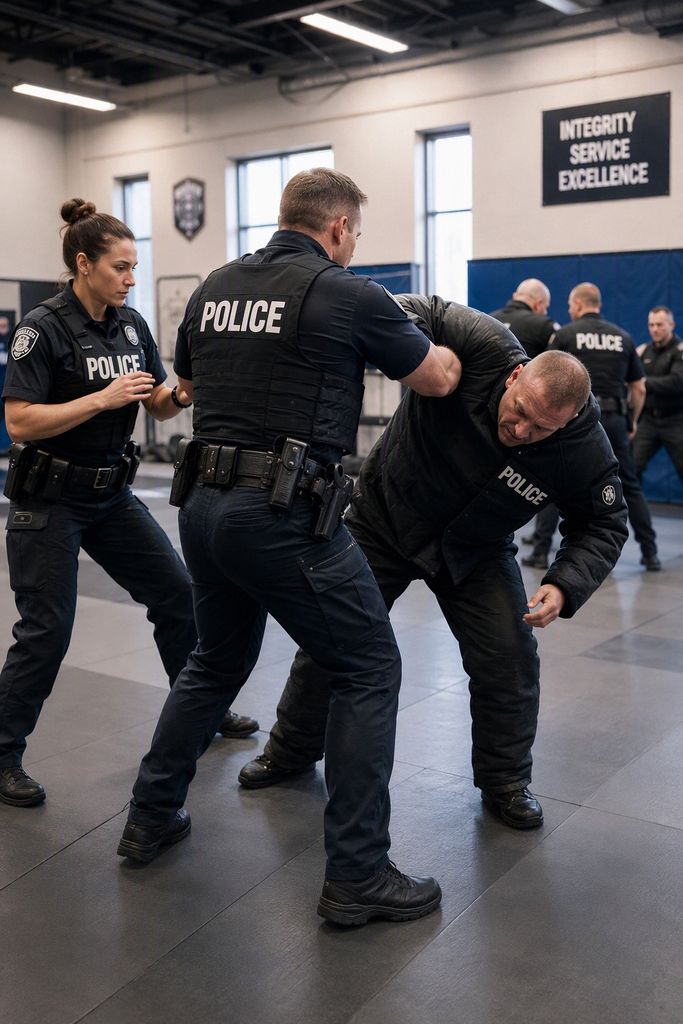
Training also stresses communication, time, and positioning before and during physical contact. This type of structured decision-making improves outcomes and public perception because the response is more controlled, more professional, and easier to explain after the event. Those ideas also shape arrest and control methods in tactical work. A basic police tactics instructor training program typically covers foundational topics such as effective communication, use-of-force guidelines, defensive tactics, arrest and control techniques, and decision-making under stress. It also emphasizes how to safely integrate these skills in real-world scenarios, ensuring instructors can teach safe and legally sound methods to frontline officers.
Arrest and Control Methods in Tactical Operations
Arrest and control work in tactical operations depends on simple, repeatable methods. Law enforcement agencies teach officers to use control tactics that rely on balance, leverage, posture, and positioning. These methods are chosen because they remain usable under stress and in tight spaces.
Training area Practical focus Body mechanics Improve efficiency and reduce strain during subject control Balance and leverage Apply control techniques without relying on raw strength Positioning Maintain safer angles and better command presence For police officers seeking advanced tactics training, some of the best courses and certifications include programs from the Force Science Institute, PPCT Defensive Tactics Instructor Certification, and Modern Warrior's Advanced Subject Control Techniques. These courses focus on refining control techniques, subject control, and tactical arrest procedures through evidence-based practices and scenario-based instruction.
| Training area | Practical focus |
|---|---|
| Body mechanics | Improve efficiency and reduce strain during subject control |
| Balance and leverage | Apply control techniques without relying on raw strength |
| Positioning | Maintain safer angles and better command presence |
| Distance management | Create reaction time and reduce sudden escalation |
| Verbal direction | Support lawful compliance during contact and restraint |
Another key point is integration. Officers are taught to communicate while moving, repositioning, or applying holds. That helps reduce struggle and confusion. In the field, subject control is stronger when physical actions and verbal commands support each other from start to finish.
Decision-Making Under Pressure for Law Enforcement
Pressure changes how officers see, hear, and think. Stress can affect cognitive processing, reaction time, and communication. If training ignores that reality, performance can drop fast during dangerous situations. Advanced instruction prepares officers to stay focused when conditions become chaotic. To effectively address these challenges, use-of-force and defensive tactics are integrated into police training by creating realistic scenarios that simulate high-pressure encounters. This enables officers to practice making critical decisions, maintain control, and apply appropriate techniques while under stress.
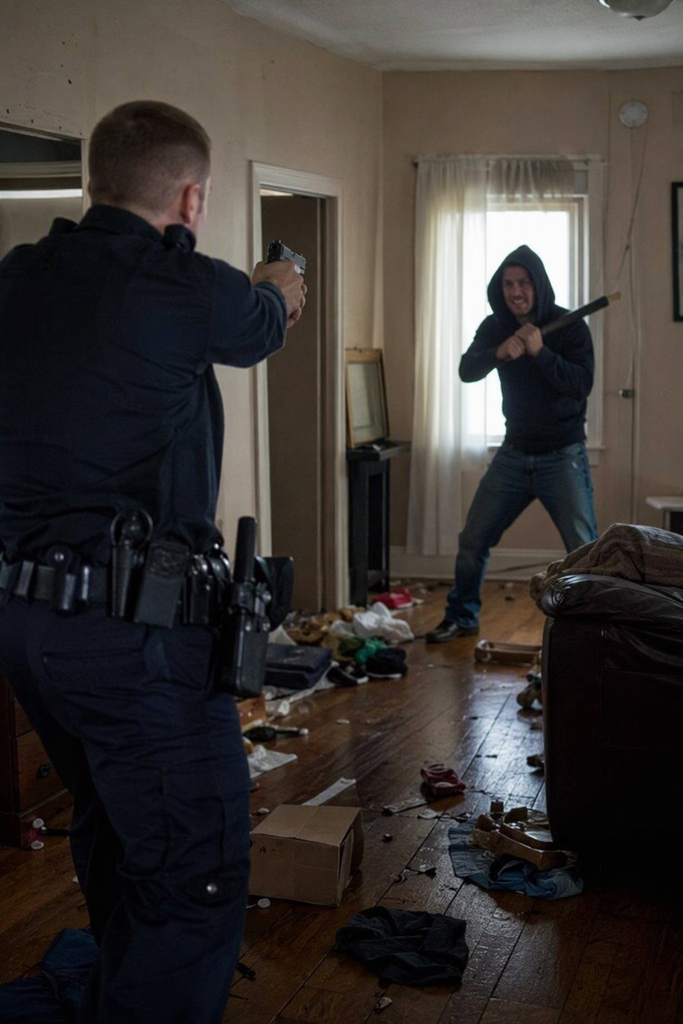
Programs often teach officers to manage stress through: Controlled breathing to steady focus and support officer safety; mental rehearsal to improve response under pressure; and tactical pacing to slow impulsive action and sharpen situational awareness. One key training approach in this area is ICAT (Integrating Communications, Assessment, and Tactics),which provides structured guidance for officers on communication, threat assessment, and tactical options. ICAT enhances decision-making by encouraging officers to gather information, evaluate risks, and choose responses that prioritize situational awareness and officer safety, especially in tense, uncertain situations.
- Controlled breathing to steady focus and support officer safety
- Mental rehearsal to improve response under pressure
- Tactical pacing to slow impulsive action and sharpen situational awareness
These habits support crisis intervention and effective defensive tactics because they give officers a way to think before reacting. Structured decision frameworks also help them assess subject behavior, the setting, and possible outcomes. The result is a more adaptable response that can shift as the encounter changes.
Conclusion
In conclusion, advanced police tactics training is vital for enhancing the effectiveness and safety of tactical teams. By focusing on core components such as essential skills, scenario-based training, and integrating use-of-force tactics, law enforcement personnel can better prepare for real-world challenges. The ability to make critical decisions under pressure not only improves team performance but also ensures the safety of both officers and the community. Investing in ongoing training and development fosters a culture of continuous improvement within law enforcement agencies. If you're interested in elevating your team's capabilities, don’t hesitate to reach out for a free consultation to explore tailored training solutions. Law enforcement agencies teach a variety of techniques for arrest and control situations, including defensive tactics, handcuffing procedures, compliance holds, and safe approaches for suspect restraint. These methods are often practiced through scenario-based training to ensure officers can apply them effectively and safely under real-world conditions.
Frequently Asked Questions
How often should tactical teams refresh training?
Tactical teams should refresh skills regularly because ongoing training is essential for officer safety and consistent performance under stress. In law enforcement training, best practices support refresher work, structured reviews, and follow-up after incidents. An intensive training program can help restore proficiency when agencies identify gaps or changing operational demands.
Are there specialized tactics programs for police instructors?
Yes. Many law enforcement agencies use training courses designed for a control tactics instructor or other leadership roles. A solid instructor training program focuses on policy alignment, practical methods, evaluation, and how to build or improve their own training programs so officers receive clear, consistent, field-ready instruction.
What certifications are available for advanced police tactics training?
Certification options vary by provider and agency, so officers should review course details carefully. For advanced police tactics training, agencies may compare offerings discussed through events such as a national icat conference or leadership settings like a senior management institute. Blue Shield Tactical Systems and similar providers may offer certification based on their program structure.
https://www.police1.com/police1-newsletters