Understanding Police and Law Enforcement: Key Insights
 admin001
Understanding Police and Law Enforcement Agencies Today
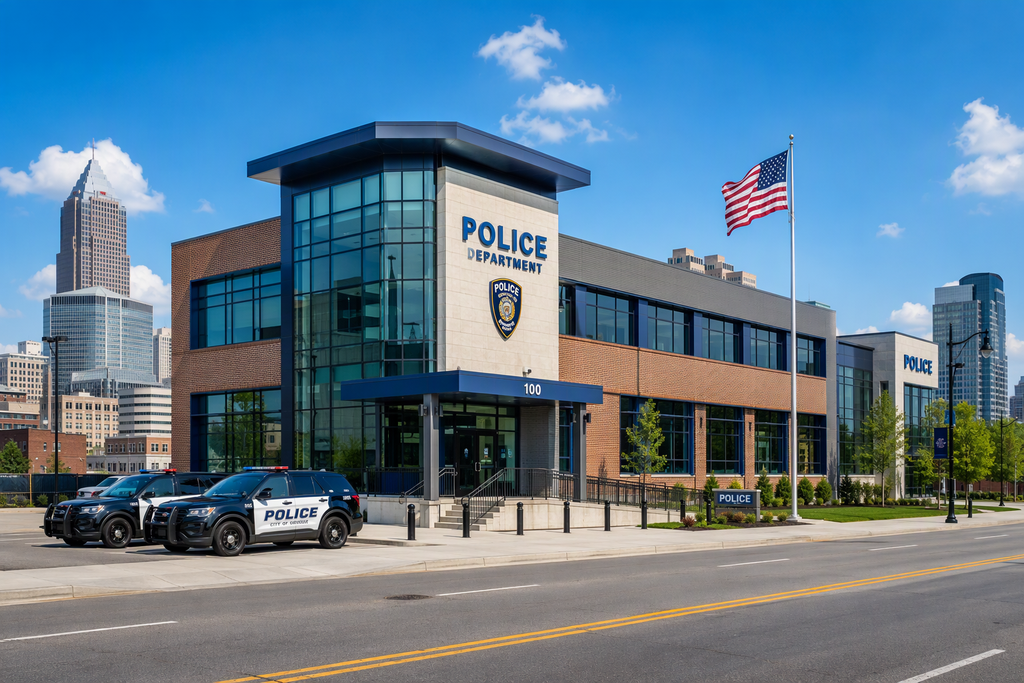
Key Highlights
- Police officers support public safety through patrols, emergency response, investigations, and clear reporting.
- Each law enforcement agency has a different role, from local police services to federal law enforcement work.
- In the United States, agencies operate under local laws, state laws, or national authority.
- Recruitment usually starts with basic eligibility criteria and a structured hiring process.
- Training includes police academy instruction, field training, first aid, and continued learning.
- Community policing helps law enforcement build trust, solve local concerns, and strengthen public safety.
Introduction
Law enforcement affects daily life in ways many people do not always see. Police officers help protect neighborhoods, respond when something goes wrong, and support public safety through steady, routine work. If you want to understand what they do, how agencies are organized, or what it takes to join the field, this guide gives you a simple overview. You will see how duties, training, and community connections shape modern law enforcement today.
The Role of Police in Modern Society
Police officers play a direct part in law enforcement by protecting people, enforcing rules, and helping keep public order. Their work supports public safety in both urgent and routine moments.
On any given day, they may patrol assigned areas, answer emergency calls, investigate incidents, and take action tied to crime prevention. They also issue warnings or citations, make arrests when needed, and complete reports. To understand this role more clearly, it helps to break down their daily duties and how agencies use those duties to protect the public.
Main Duties and Responsibilities of Police Officers
The primary duties of police officers center on protecting the public and keeping communities stable. In practical terms, that means being visible, responding quickly, and taking the right action based on the situation. Their work often mixes service, enforcement, and careful documentation.
Common primary duties include:
- Patrolling assigned areas to support public safety and deter problems
- Handling emergency response and non-emergency calls
- Conducting investigations, making arrests, and issuing citations or warnings
- Providing first aid when needed and keeping accurate reports and logs
Just as important, police officers must complete paperwork such as incident reports, arrest reports, traffic citations, patrol logs, and evidence records. That behind-the-scenes work helps agencies track cases, explain police actions, and support follow-up by other law enforcement officers or public safety agencies.
How Law Enforcement Maintains Public Safety and Order
Law enforcement maintains public safety and public order through constant presence and timely action. Police agencies do not only react after something happens. They also work to reduce risk before a problem grows.
Key ways agencies support crime prevention include:
- Regular patrols in designated areas
- Responses to emergency situations and non-emergency calls
- Enforcement of laws and regulations
- Coordination with fire departments and medical services during urgent events
Another part of the job involves educating the public about safety measures. Through community outreach programs, officers share crime prevention information and help residents understand local concerns. Emergency calls are usually answered, but the priority of the call affects response time. Calls that threaten life or property receive a higher priority and a quicker response.
Understanding Different Types of Law Enforcement Agencies in the United States
Not every law enforcement agency does the same work. In the United States, agencies are generally organized by where their authority applies and what laws they enforce. That structure helps divide responsibilities in a practical way.
Some local agencies focus on city or county needs, while others enforce state laws across a wider area. Federal law enforcement handles matters that fall under national authority. Along with these main levels, some teams take on more focused assignments. The next sections explain both the standard agency types and the specialized units that support them.
Local, State, and Federal Agencies Explained
A police department usually serves a city or town and focuses on local laws, routine patrols, emergency calls, and community needs. These local agencies are often the public’s first contact with law enforcement.
State-level agencies work across a broader area and enforce state laws. Federal agencies handle issues tied to national authority, often involving matters that go beyond one city or state lines. Some federal agencies may work under departments such as the Department of Justice or the Department of Homeland Security.
| Agency Level | Main Focus |
|---|---|
| Local agencies | Enforce local laws, answer calls, patrol neighborhoods, support daily police services |
| State agencies | Enforce state laws, work across wider regions, support broader public safety efforts |
| Federal agencies | Handle national matters, support federal law enforcement, and investigate issues under federal authority |
Specialized Units and Their Functions
Beyond standard patrol and response work, some agencies use specialized units to address tasks that need focused skills. A special unit may support complex incidents, urgent rescues, or work that falls outside regular patrol duties.
These specialized units may help with:
- Rescue operations during dangerous or time-sensitive events
- Traffic control during incidents or heavy public activity
- Investigations handled by special agents in federal agencies
- Support for emergency response that needs added coordination
Because law enforcement work can vary so much, agencies assign people where they can be most effective. Some officers stay in regular patrols, while others move into roles that require extra job training or experience. This approach helps agencies respond better to unusual situations without changing their core public safety mission.
The Recruitment and Selection Process for Police Officers
If you are thinking about joining a police department, recruitment is the first real step. Public safety agencies look for people who can meet basic standards and handle the demands of service, responsibility, and public contact.
The process is structured because law enforcement officers carry a critical role in the community. Departments want applicants who are prepared for training, paperwork, emergency duties, and teamwork. Before looking at hiring steps in detail, it helps to understand the usual eligibility criteria and what agencies expect from new applicants.
Basic Qualifications and Eligibility Criteria
Basic eligibility criteria help agencies decide whether an applicant is ready to enter law enforcement. While departments may differ, the starting point usually focuses on education and readiness for the job.
Common qualifications mentioned in hiring information include:
- A high school diploma as a basic education requirement
- In some cases, a bachelor’s degree for added preparation
- The ability to meet department-specific eligibility criteria
- Interest in reviewing career information such as the Occupational Outlook Handbook
Some applicants also compare department details, training paths, and long-term job expectations before applying. Public information from hiring pages, the Department of Labor, or the Bureau of Labor Statistics can help you understand the role. Even so, each police department sets its own standards, so checking the official page for current requirements matters.
Steps Involved in the Hiring Process
The hiring process for law enforcement officers is designed to move applicants from interest to preparation. It is not just one application. Instead, the selection process helps departments identify people who can complete training and serve the public well.
Typical steps often include:
- Submitting an application through a department or official page
- Meeting the department’s stated eligibility and selection process standards
- Moving into academy preparation and job training if selected
- Beginning the path toward work as a new officer
After hiring, the process does not stop. New recruits still need formal instruction and practical experience before they can work independently. That is why many departments connect hiring closely with academy schedules and field learning. Career guidance from department materials or even the Department of Labor can also help applicants prepare for what comes next.
Required Training and Development for Police Officers
Training prepares law enforcement officers for the realities of the job. A new recruit does not simply join a department and start working alone. Most begin with structured instruction that builds a strong foundation for service.
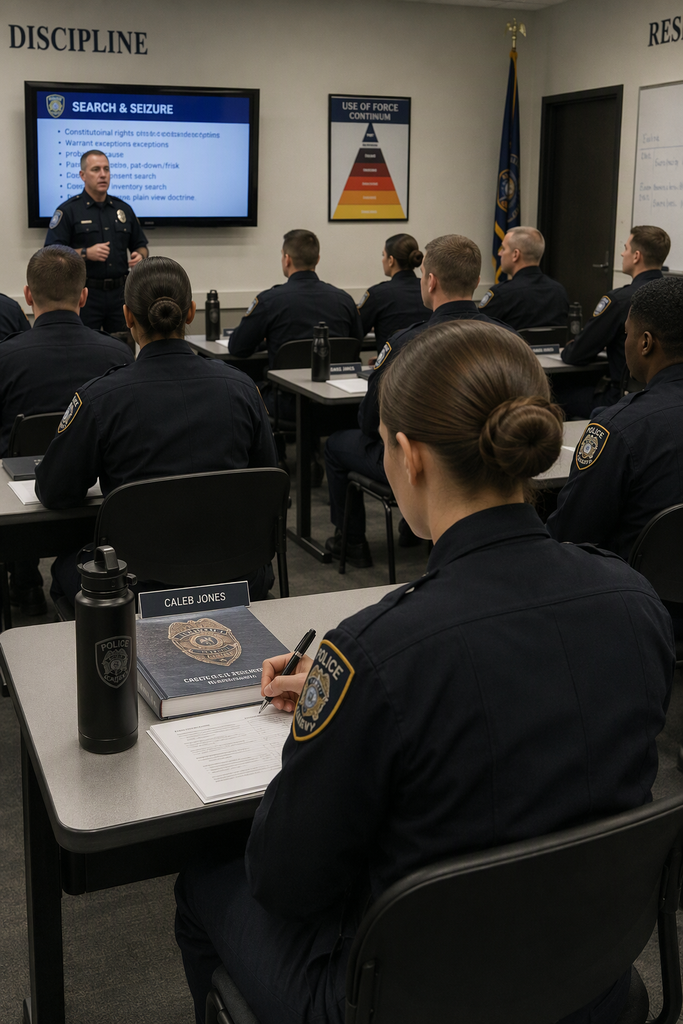
That preparation usually includes police academy learning, field training, and first aid training. Over time, officers also continue their professional development so their skills stay current. To see how this works in practice, it helps to look at both the academy experience and the ongoing learning that follows after initial placement.
Police Academy Curriculum and Field Training
The police academy gives a new officer structured preparation before full duty begins. This training curriculum is meant to build confidence, consistency, and readiness for real-world situations. Departments and academies may vary, but the goal stays the same: prepare recruits to serve safely and effectively.
Training often includes:
- Police academy instruction on core law enforcement duties
- Emergency response procedures for urgent incidents
- Basic first aid, CPR, and AED use
- Field training that helps a new officer apply lessons on the job
After academy work, field training helps bridge classroom learning and daily service. Under guidance, recruits learn how calls, patrols, and reports work in practice. Programs such as those highlighted by the Alexandria Regional Police Academy show how training can combine discipline, physical preparation, and personal growth during the early stage of a law enforcement career.
Ongoing Professional Development and Skills Enhancement
Learning does not end after academy graduation. Ongoing professional development helps law enforcement officers stay prepared for changing duties, new community needs, and the practical demands of service.
This continued growth may include:
- Additional training tied to specific assignments or responsibilities
- Practice that strengthens communication skills with the public
- Refresher work in emergency response and first aid
- Development that supports movement into roles with a higher rank
These efforts matter because officers face many kinds of situations, from community contact to urgent calls. Better communication skills can improve interactions with community members, while repeated training helps maintain consistency under pressure. Departments that invest in long-term development give officers stronger tools for day-to-day work and future leadership opportunities.
Community Policing and Its Importance
Community policing is a people-focused approach within law enforcement. Instead of only responding after an incident, officers work on building relationships that help prevent problems and improve public safety over time.
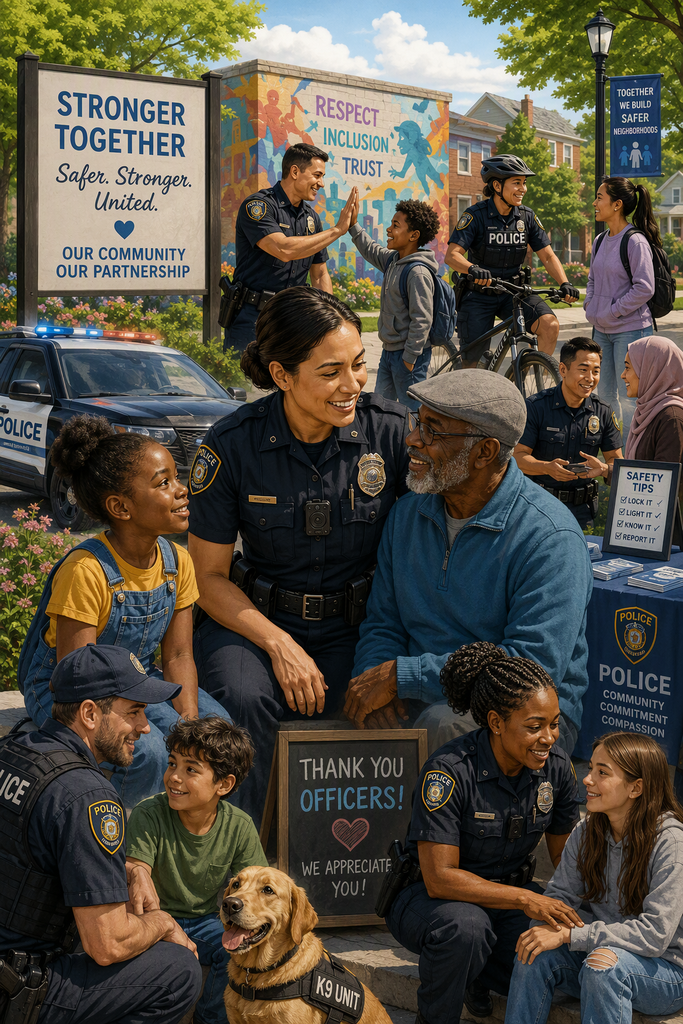
This approach matters because trust can make communication easier and local concerns clearer. When officers and residents know each other, communities often feel more connected to the work being done. To understand why community policing is so important, it helps to look at its basic principles and how those ideas support stronger ties with the public.
Principles of Community Policing
At its core, community policing is about partnership. Officers do not work apart from the people they serve. They work with them to identify concerns, share information, and support public safety in a more direct and local way.
Common principles include:
- Attending neighborhood meetings to hear concerns firsthand
- Taking part in community events and local outreach
- Working with residents on crime prevention and safety measures
- Building everyday contact that supports trust and cooperation
This style of policing helps officers understand what matters most in a neighborhood. It also gives community members more chances to ask questions, raise issues, and share what they are seeing. That steady contact can improve response, strengthen problem-solving, and support a more informed approach to local safety.
Building Trust and Strong Relationships with Communities
Trust grows through repeated contact, honest communication, and visible effort. In community policing, building relationships is not a side task. It is part of how officers do the job and support safer neighborhoods.
Practical ways officers build trust include:
- Speaking with community members outside emergency situations
- Working with community leaders on local concerns
- Joining outreach programs focused on safety and awareness
- Showing up consistently at meetings and public activities
When people see officers at community events, not only during crisis moments, the relationship can become more productive. Residents may feel more comfortable sharing information or asking for help. In turn, law enforcement gains a clearer view of neighborhood needs. That stronger connection supports public safety and helps agencies respond in ways that fit the community better.
Conclusion
In conclusion, understanding the complexities of police and law enforcement agencies is crucial for fostering a safe and just society. From their diverse roles and responsibilities to the recruitment processes and community engagement efforts, police work is multifaceted and requires ongoing dedication. By appreciating the intricacies of how these agencies operate, we can better support initiatives that promote public safety and community well-being. It is essential to continue advocating for transparency, accountability, and collaboration between law enforcement and the communities they serve. Together, we can contribute to a more informed and engaged society. If you have any questions or need more information, feel free to reach out!
Frequently Asked Questions
How are police actions regulated to protect civil rights?
Police actions are shaped by department rules, required reporting, and the broader legal system that protects civil rights. Accurate records, clear procedures, and oversight within law enforcement help support accountability. In some cases, federal agencies or the Department of Justice may also have a role tied to legal authority.
What legal standards must police follow during investigations?
During police investigations, officers must follow legal standards set by their agency authority and applicable law. Their work also depends on accurate reports, proper records, and consistent procedures. These steps help law enforcement protect public safety while keeping investigations organized, documented, and tied to formal responsibilities.
What are some major challenges faced by law enforcement agencies today?
Law enforcement agencies face challenges such as responding to emergency situations quickly, managing paperwork accurately, addressing illegal activity, and maintaining strong community trust. They also must balance public safety needs with training, coordination, and communication, all while handling both urgent calls and ongoing neighborhood concerns.+
https://en.wikipedia.org/wiki/Traffic_laws
https://en.wikipedia.org/wiki/Government
https://www.indeed.com/employers/o/job-description-generator
https://www.bls.gov/ooh/protective-service/police-and-detectives.htm#tab-5