Cross-border law enforcement and intelligence cooperation
 admin001
Cross-border law enforcement and intelligence cooperation
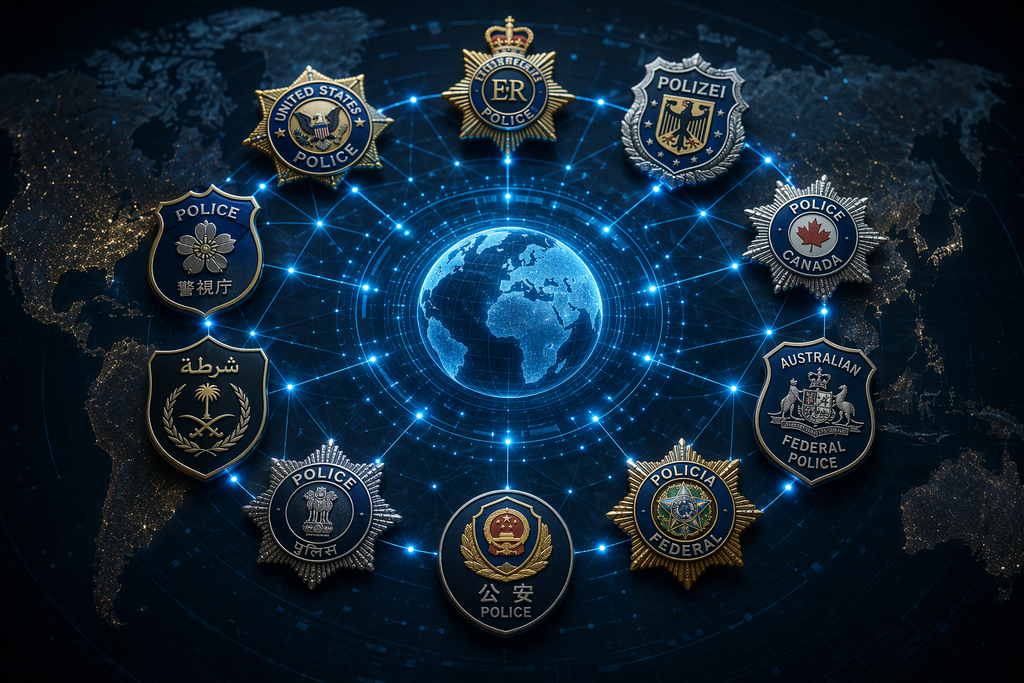
Key Highlights
- Law enforcement efforts are stronger when police cooperation crosses national borders.
- International cooperation helps agencies track criminal networks that move people, money, and illicit goods.
- Intelligence sharing gives police officers faster access to relevant data in serious crimes.
- INTERPOL supports secure information exchange, but national police still enforce domestic law.
- Regional models show how member countries improve criminal justice through joint operations and training.
- Trust, human rights, and the rule of law remain central to effective cooperation.
Crime does not stop at a border, and that changes how law enforcement must work. Today, police officers face cybercrime, terrorism, fraud, human trafficking, and other threats that move quickly between jurisdictions. That is why international cooperation matters so much. It helps national agencies share leads, support investigations, and respond more effectively when offenders operate in different countries. You can see this shift clearly in the growing focus on coordinated policing, trusted partnerships, and stronger institutions.
Foundations of Cross-Border Law Enforcement Cooperation
At its core, cross-border cooperation exists because law enforcement agencies cannot manage transnational crime alone. Criminal groups move across jurisdictions, while police powers usually stop at national lines. Police cooperation helps close that gap through coordination, trusted contacts, and shared procedures.
The legal side matters just as much. Criminal justice systems depend on mutual legal assistance, compatible laws, and agreed processes for evidence and investigative support. These foundations allow countries to work together without replacing national authority. The next sections explain the principles and partnerships that make this work.
Key Principles Guiding International Collaboration
Strong police cooperation starts with respect for national law and clear limits on authority. International cooperation does not create a global police force. National services remain responsible for investigations and arrests inside their own borders. That protects sovereignty and keeps action tied to domestic legal standards.
Another core principle is mutual legal assistance. Countries need lawful channels to request records, witness support, or investigative help. The rule of law depends on these steps being followed carefully, especially when evidence may later be challenged in court. Without legal clarity, cooperation can slow down or break down.
There are real obstacles. Different legal systems, mistrust, limited communication, and major capacity gaps can block progress. Issues of language barriers, approvals for information access, and uneven technology also create delays. Human rights protections are equally important, since police work must stay fair, accountable, and consistent with international standards.
Evolution of Interagency Partnerships Over Time
Cross-border work has changed a lot over time. In earlier periods, police agencies often relied on slower, informal contacts and limited exchanges. As organized crime expanded across borders, law enforcement had to build more structured partnerships to keep pace with criminal movement and communication.
One major shift was the growth of dedicated international channels. INTERPOL, regional organizations, and liaison officers created steadier ways to share criminal intelligence and connect investigators. These systems helped countries move from occasional contact to more regular coordination in serious cases involving trafficking, fraud, cybercrime, and terrorism.
You can also see progress in regional training, joint operations, and centers of excellence. Global law enforcement is still shaped by national authority, but agencies now work in a far more interdependent environment. That evolution reflects a simple truth: criminal networks cooperate quickly, so police must improve how they do the same.
Intelligence Sharing in Combating Transnational Crime
Intelligence sharing is one of the most practical tools against transnational organised crime. It helps agencies connect separate incidents, identify suspects, and follow patterns that would be missed inside one jurisdiction. Criminal intelligence becomes more useful when it is compared across borders.
Just as important, information exchange supports faster action. It can help disrupt fraud schemes, trafficking routes, and other organized activity before more harm is done. Secure systems, trusted partners, and lawful procedures all shape how this process works in practice. The next sections look at those channels and their value.
Channels and Mechanisms for Information Exchange
Secure information exchange usually happens through formal networks, designated contact points, and approved legal processes. Law enforcement agencies do not simply pass sensitive material freely. Access, use, and onward sharing are controlled, especially when the data may affect arrests, prosecutions, or operational safety.
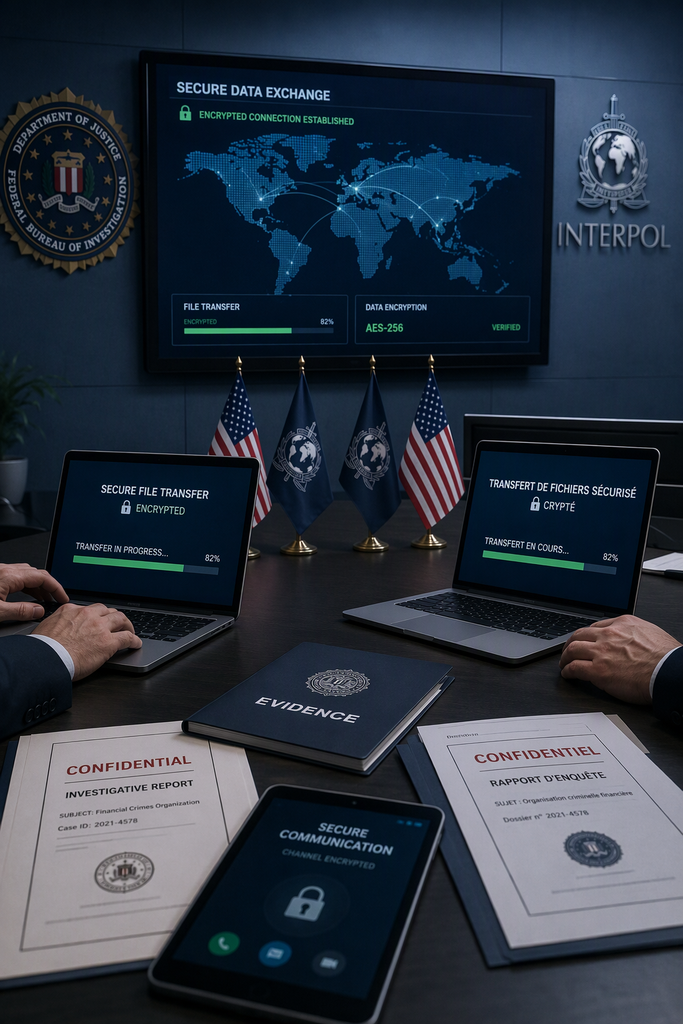
A key example is INTERPOL. Each member country has a National Central Bureau that connects with other bureaus through secure channels and gives access to interpol databases. Mutual legal assistance treaties also matter when agencies need evidence, records, or witness support for court use rather than just operational awareness.
Common mechanisms include:
- National Central Bureaus linked through secure INTERPOL systems
- INTERPOL notices for wanted persons, missing persons, and threats
- Liaison officers acting as trusted communication points
- Mutual legal assistance treaties for evidence and legal requests
- Regional policing bodies that coordinate joint activity and data sharing
Benefits and Challenges of Real-Time Intelligence Sharing
Fast intelligence exchange can change the pace of an investigation. When a police force receives relevant data quickly, officers can connect suspects, trace movements, and respond before criminal activity spreads further. That is especially useful when criminal networks shift routes or methods across several countries.
You also gain a clearer picture of risk. Real-time updates can support survivor protection, target repeat offenders, and help authorities disrupt organized schemes earlier. In one example, cooperation between Côte d’Ivoire and Switzerland through INTERPOL helped dismantle a phishing operation that had defrauded Swiss victims of more than $1.4 million.
Still, speed does not remove practical problems. Agencies may face incompatible technology, resource gaps, or delays in approval for access and use. Mistrust and communication failures can hurt joint work as well. If fast sharing is not matched by lawful handling, the value of the information may drop quickly.
Effective Models for Regional Cooperation
Regional models matter because nearby states often face the same trafficking routes, fraud patterns, and security pressures. In a changing global security environment, police cooperation becomes more effective when member countries train together, share intelligence, and plan coordinated responses.
You can see this in organizations across Africa, the Pacific, Europe, and the Americas. International police cooperation works best when it combines regional knowledge with trusted procedures and practical coordination. The next sections show how major partnerships operate and what successful operations can teach you.
United States Partnerships with INTERPOL and Europol
For the United States, partnerships with INTERPOL and Europol matter because both support international police cooperation through intelligence links and coordinated action. INTERPOL connects police in member states through National Central Bureaus, secure systems, and notices. Europol supports European Union member states with criminal intelligence against serious international organized crime and terrorism.
What does INTERPOL actually do? It helps law enforcement leaders and operational teams exchange data safely, identify suspects, and coordinate across borders. It does not arrest people or override national law. Domestic authorities in each country remain in charge of investigations and enforcement.
| Organization | Main role | How it helps |
|---|---|---|
| INTERPOL | Global police coordination platform | Connects 196 countries, manages secure channels, issues notices, supports data access |
| Europol | European Union law enforcement agency | Supports member states with criminal intelligence and action against organized crime and terrorism |
| National police | Domestic enforcement authority | Conduct investigations and arrests under national law |
Case Studies: Successful Regional Intelligence Operations
Successful regional cooperation usually combines local authority with shared intelligence and practical support. One clear case involved police agencies in Côte d’Ivoire and Switzerland. With coordination through INTERPOL, they dismantled a phishing operation that had stolen more than $1.4 million from Swiss victims. That shows how regional cooperation can turn separate leads into one effective case.

Another strong example comes from the Pacific Transnational Crime Network. It uses a police-led, multi-agency model to combat transnational crime through criminal intelligence and investigation. Support from partners and Pacific stakeholders strengthens regional coordination across several enforcement areas.
In Eastern and Southern Africa, organizations such as EAPCCO and SARPCCO show the practical value of joint training, simultaneous operations, and shared agreements. These models work because successful local enforcement stays connected to broader criminal justice goals without removing national control from each participating country.
Frequently Asked Questions (FAQ)
Certainly! Here are some common questions about cross-border law enforcement and intelligence cooperation. Many wonder how law enforcement agencies from different countries collaborate to combat serious crimes like drug trafficking and organized crime. Others inquire about mutual legal assistance treaties and how these agreements facilitate information exchange. Language barriers and issues of hearsay often come up as challenges. Lastly, people ask about the role of organizations like Interpol in enhancing police cooperation and fostering global security through interoperable platforms.
What are the main challenges faced in cross-border law enforcement cooperation?
Cross-border law enforcement faces practical and legal barriers. Police officers in different countries must work through different procedures, uneven resources, and limited communication. Law enforcement agencies also deal with mistrust, incompatible technology, and issues of language barriers, all of which can slow investigations and reduce operational clarity.
How does secure information exchange work between international agencies?
Secure information exchange works through controlled systems, designated contact points, and lawful requests. Law enforcement agencies use approved channels such as INTERPOL networks and mutual legal assistance processes. These help manage legal access, reduce the issue of hearsay, and support the proper entry of evidence when cases move to court.
Why is interoperability critical for effective intelligence sharing?
Interoperability matters because intelligence sharing fails when systems cannot connect or data cannot be used quickly. Law enforcement agencies in member states need interoperable platforms to compare records, identify links, and support operations. Better interoperability improves speed, accuracy, and coordination without changing each country’s legal authority.
Conclusion
In conclusion, cross-border law enforcement and intelligence cooperation are essential to effectively tackling transnational crime. By fostering collaboration through established principles and leveraging successful models, agencies can enhance their ability to share intelligence and operate seamlessly across borders. As we've seen, real-time information exchange not only benefits regional security but also strengthens partnerships between countries, making it easier to combat emerging threats. Embracing these cooperative frameworks will lead to a safer global community where law enforcement can effectively protect individuals and uphold justice. If you're interested in learning more about enhancing cross-border collaboration in your area, feel free to reach out for more insights!
Enhancing Cross-Border Collaboration
Improving cooperation across national borders starts with stronger trust, clearer procedures, and better communication between partners. Strategic engagement matters because countries often face the same criminal networks but have very different resources and systems. When agencies build regular contact through liaison officers, regional bodies, and secure channels, operational cooperation becomes more reliable and more useful in serious cases.
Public safety improves when this work is steady rather than temporary. The establishment of sustainable national cooperation mechanisms helps agencies respond faster, support communities, and strengthen institutions affected by conflict or weak governance. That wider impact also connects to sustainable development, since trusted and effective policing supports stability, protects vulnerable people, and reinforces the rule of law over time.
https://afripol.africa-union.org