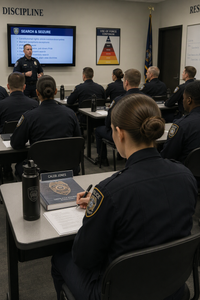
U.S. Federal Prosecutors Uncover Major Cartel Protection
 admin001
Major Cartel Protection Uncovered by U.S. Federal Prosecutors

Key Highlights
- U.S. law enforcement says criminal organizations tied to Mexican cartels reach far beyond the border.
- Federal prosecutors have used indictments, financial cases, and multi-agency investigations to expose cartel protection risks.
- Recent cases connect the Sinaloa Cartel to drug trafficking, money laundering, and broad criminal networks.
- Investigators found cartel activity in cities and small towns across the United States.
- Cartels seek influence through bribery, intimidation, and access to sensitive information.
- Ongoing efforts by federal prosecutors and law enforcement partners focus on dismantling these networks.
Introduction
Federal prosecutors in the United States are putting new focus on how criminal organizations build power, protect operations, and move drugs through American communities. Recent cases tied to the Sinaloa Cartel show that cartel protection is not just about armed enforcers. It can also involve money laundering, corruption, and access to insiders or critical information that threatens the safety of the American people. If you want to understand how these cases are being built, it helps to look at the investigations, tactics, and partnerships driving this work.
Landmark Investigations into Cartel Protection Networks
Recent investigations show that organized crime linked to Mexican cartels operates across the United States, not only near the border. Law enforcement agencies have identified cartel influence in major cities and in smaller communities, including places far from traditional human trafficking corridors.
Federal prosecutors have highlighted cases involving large-scale drug trafficking, money laundering, extortion, and ties to violent criminal organizations, as noted by the State Department. A 2025 San Diego indictment against alleged Sinaloa Cartel leaders marked a major step, while earlier cases uncovered shell companies, nationwide laundering networks, and drug pipelines reaching states such as Montana. These cases help explain how corruption risks are detected.
How Federal Prosecutors Identify Corruption within U.S. Agencies
Federal prosecutors usually start with patterns, not headlines. They look for unusual financial movements, repeated contact with known criminal networks, and signs that cartel-linked criminal activity is getting help from insiders. That can include leaks, interference, or suspicious access to restricted systems.
The Department of Justice also relies on long investigations that connect separate events into one picture. In the compiled cases, prosecutors worked with the FBI, DEA, ICE, and United States Border Patrol, along with other law enforcement agencies, to trace money laundering operations, extortion plots, drug shipments, and cartel leadership links across multiple states.
Just as important, prosecutors compare intelligence, seized records, and witness statements to test whether a protection scheme exists. The available information points to a practical approach: follow the money, map the network, and compare conduct across agencies and jurisdictions. That process helps expose where corruption risks may be supporting cartel operations.
Unraveling the Tactics Used by Cartels to Secure Protection
Cartels do not rely on one method. The compiled information shows they build protection by mixing fear, money, and hidden business structures. Their goal is simple: keep cartel activities moving while reducing pressure from investigators.
Reports in the source material describe efforts to influence police, courts, correctional institutions, and government officials, often involving gang members affiliated with cartels. In some cases, cartels try to gain long-term leverage by bribing people or placing trusted associates in useful positions. That can give cartel leadership better access to sensitive information and operational cover.
Common tactics mentioned in the compiled information include:
- Bribery aimed at officials who can shield operations
- Money laundering through shell companies and layered transactions
- Recruitment through gangs and cross-border criminal contacts
- Intimidation and violence to silence resistance or collect debts
Noteworthy Recent Cases That Exposed Cartel Collaboration
Several recent cases stand out because they exposed how the Sinaloa Cartel, Tren de Aragua, and other Mexican cartels operate through layered networks. These matters involved drug trafficking, money laundering, extortion, and large distribution chains reaching deep into the United States.
In San Diego, a 2025 indictment charged alleged Beltran Leyva Organization leaders tied to the Sinaloa Cartel with narco-terrorism, material support, drug trafficking, and money laundering. Earlier, a two-year FBI and Drug Enforcement Administration investigation led to charges against 12 cartel members accused of laundering more than $16 million through shell companies, with the Secretary of State's involvement in the ongoing investigation being noted.
| Case | Key details |
|---|---|
| San Diego, 2025 | Alleged Sinaloa Cartel-linked leaders charged with narco-terrorism, material support, drug trafficking, and money laundering involving kilograms of fentanyl. |
| Multi-city laundering case, 2023 | FBI and DEA investigation alleged over $16 million laundered through Wyoming shell companies |
| Montana network, 2019 | Multi-agency case led to 22 federal convictions tied to methamphetamine, heroin, and fentanyl-laced pills; OCDETF missions also target weapons trafficking |
Strategies U.S. Federal Prosecutors Use to Expose Cartel Ties
Federal prosecutors build cartel investigations by connecting financial evidence, seized drugs, witness accounts, and intelligence from partner agencies. They focus on foreign terrorist organizations and criminal organizations as systems, not isolated actors. That means tracing leadership, logistics, money movement, and the people who keep those operations running.
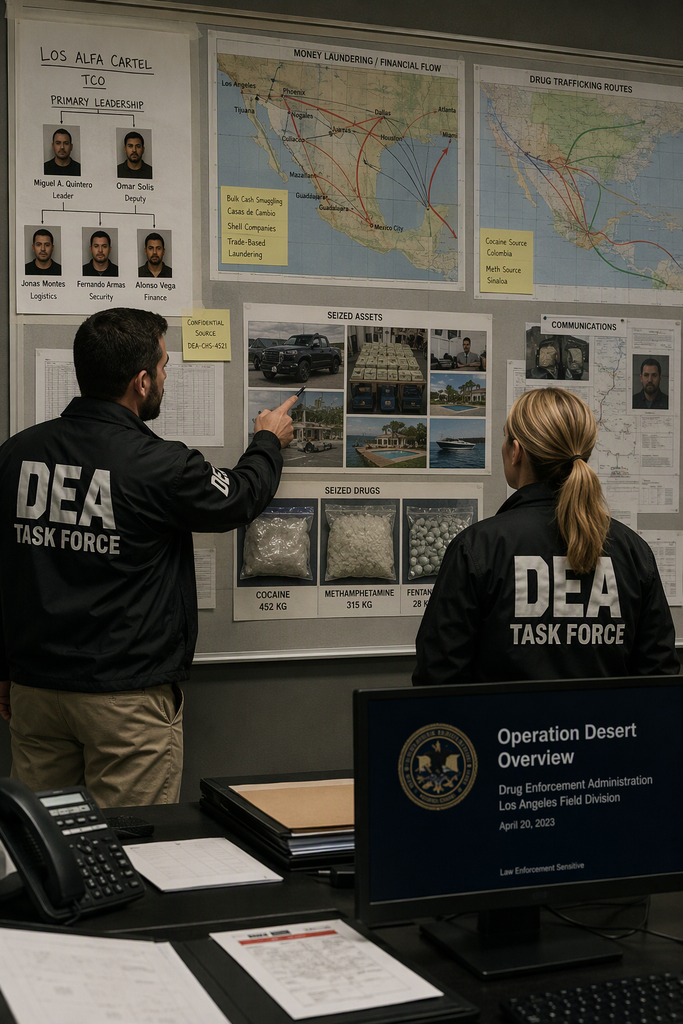
These ongoing efforts depend on close work with local law enforcement agencies across jurisdictions. Prosecutors use broad conspiracy cases, organized crime tools, and coordinated charging decisions to disrupt networks at multiple levels. The next sections show how those methods work in practice.
Advanced Techniques for Investigating Protection Schemes
Big cartel cases often turn on detail. Investigators study the financial infrastructure behind trafficking, compare communications, and match seizures to larger network activity. When prosecutors can show how money, people, and drugs move together, they can support stronger federal charges.
The compiled material also points to broader coordination with the intelligence community and partner agencies. In cases involving narco-terrorism or material support, prosecutors may rely on intelligence-led targeting and information from multiple investigations to understand leadership roles and network reach. Classified intelligence information is handled carefully, but it can shape investigative direction.
Key techniques described or implied in the source information include:
- Tracking shell companies and laundering channels
- Linking seizures, communications, and leadership roles across cases
- Building federal charges that reach organizers, financiers, and traffickers
Coordinating Multi-Agency Efforts Against Corruption
No single office can handle a cartel case alone. The compiled information repeatedly shows federal, state, and local teams working together through task forces and shared investigations, often using a .gov website for coordination. That model helps agencies cover more ground and avoid blind spots.
OCDETF is a strong example. It brings law enforcement partners together to identify, disrupt, dismantle, and prosecute high-level members of drug trafficking, weapons trafficking, and money laundering organizations in key drug trafficking areas. Operation Take Back America also pulls Department of Justice resources into a more unified response.
This kind of coordination acts as a force multiplier because interagency partners can combine skills and data. In practice, that means:
- Intelligence sharing across jurisdictions
- Joint targeting of leaders, couriers, and financial facilitators
- Support from federal, state, and local task forces
Leveraging Intelligence and Informant Testimony
Prosecutors rarely rely on one source. They strengthen cases by combining intelligence collection with documents, surveillance, seizures, and statements from people inside or close to the network. That layered approach helps them test credibility and fill gaps.
You can see that method in the way agencies described recent cases. A special agent from Homeland Security Investigations may help connect evidence from field investigations, while prosecutors shape the case around conspiracy, trafficking, laundering, or support allegations. The 2025 San Diego matter also reflects how an executive order and later designation changed the legal framework for charging cartel actors.
Two important tools stand out:
- Informant testimony that explains who did what inside the network
- Intelligence collection, including leads that may be informed by classified intelligence
FBI’s Role in Disrupting Cartel Influence in U.S. Institutions
The Federal Bureau of Investigation plays a central role in cases where cartel leaders, money networks, and violent trafficking operations, including human smuggling, threaten American communities. Its work goes beyond arrests. The FBI helps map criminal networks, support conspiracy cases, and connect local findings to national security concerns.
In the compiled information, the FBI appears in major cartel investigations involving narco-terrorism, money laundering, extortion, and interstate trafficking. This makes its role especially important when prosecutors need to prove how separate acts fit into one larger official government organization.
Key Operations Led by the FBI Against Cartel-backed Corruption
The Federal Bureau of Investigation has supported major operations targeting cartel leadership and the criminal activity that sustains it. My name is Jose Perez, and in San Diego, the FBI helped investigate the 2025 indictment charging alleged Sinaloa Cartel-linked leaders with narco-terrorism, material support, drug trafficking, and money laundering.
That case mattered because prosecutors described the Beltran Leyva Organization as a major fentanyl production network tied to violence, corruption, and territorial control, emphasizing the concerns raised during the Trump administration. FBI leadership in San Diego also stressed the national security danger posed by drugs flooding U.S. communities. Those statements show how cartel cases are treated as both public safety and security matters.
The compiled information also points to ongoing efforts beyond one indictment. Earlier FBI work helped uncover a money laundering organization tied to the Sinaloa Cartel, spanning cities from New York to San Diego. Broad intelligence support from the Department of Homeland Security, including gang-focused coordination such as the National Gang Intelligence Center, can strengthen that effort.
Partnerships Between the FBI and Federal Prosecutors
Strong prosecutions depend on strong partnerships. The FBI gathers evidence, interviews witnesses, and connects pieces of the network. Federal prosecutors then organize that evidence into charges that can hold up in court. It is a practical relationship, and the compiled information shows it in action.
The Department of Justice uses this model in OCDETF and in Operation Take Back America. These structures help law enforcement partners move quickly, share data, and target the highest-value actors in cartel investigations in the western hemisphere. That is especially important when cases spread across several states or involve foreign defendants.
Two partnership benefits stand out:
- Federal law enforcement partners can combine investigative reach with courtroom strategy
- Joint task forces help prosecutors connect local evidence to national cartel structures
Challenges Faced during High-profile Investigations
These investigations are difficult because criminal organizations are adaptive. They use violence, shell companies, gang relationships, and layered logistics to hide what they are doing, complicating the landscape of related criminal activity. That forces law enforcement efforts to stretch across financial records, border issues, local street activity, and overseas leadership.

Another challenge is the risk of corruption or intimidation around government officials and institutions. The compiled material notes that cartels pose a significant threat and have tried to bribe officials, influence police, and gain access to positions of power. When that risk is present, prosecutors must guard sensitive information closely and verify every step.
There is also the broader national security picture. Cases involving narco-terrorism allegations, foreign actors, and massive quantities of fentanyl carry high stakes, especially with the influence of transnational criminal organizations. Prosecutors must move carefully, coordinate across agencies, and build evidence that can survive intense legal scrutiny.
Conclusion
In conclusion, the uncovering of cartel protection networks by U.S. federal prosecutors highlights the critical battle against corruption and organized crime, which has historical ties to the Mexican government. Through landmark investigations, advanced techniques, and coordinated efforts between agencies like the FBI, significant strides have been made in dismantling these illicit connections. The impactful cases that have come to light serve not only as a deterrent for future cartel activity but also reinforce the necessity for ongoing vigilance and cooperation among law enforcement. It’s essential for society to remain informed and engaged in these issues, as they directly affect our communities and safety. If you want to learn more or discuss these developments further, feel free to reach out for a consultation.
Frequently Asked Questions
How do cartel groups infiltrate or corrupt U.S. law enforcement?
Cartels try to gain cartel protection through bribery, intimidation, recruitment, and access to useful insiders. The compiled information says criminal organizations may target police, courts, and correctional systems to support drug trafficking and undermine the rule of law. That creates corruption risks for law enforcement agencies and can weaken investigations if not caught early.
What has been the impact of uncovering cartel protection on anti-cartel initiatives?
Uncovering protection risks helps anti-cartel efforts by showing where criminal networks are vulnerable. It allows law enforcement partners and federal prosecutors to target leaders, money channels, and helpers at the same time. For the Department of Justice, that means stronger cases, better coordination, and more pressure on cartel operations.
How does U.S. federal law support efforts to combat cartel-related corruption?
Federal law gives prosecutors broad tools, including conspiracy, money laundering, and trafficking charges. In the 2025 San Diego case, President Trump’s executive order and later FTO designation helped support new terrorism-related allegations. That legal framework can raise pressure on traffickers, financiers, and any government officials who unlawfully assist them.
https://www.fbi.gov/investigate/terrorism/joint-terrorism-task-forces
https://www.police1.com/police1-newsletters
https://www.justice.gov/ag/media/1388546/dl
https://www.cnn.com/2024/07/13/americas/avocado-cartel-us-mexico-intl-latam/index.html