Cybersecurity and Infrastructure Security Agency (CISA) works to protect the nation's cyber threats
 admin001
How does Cybersecurity and Infrastructure Security Agency (CISA) works
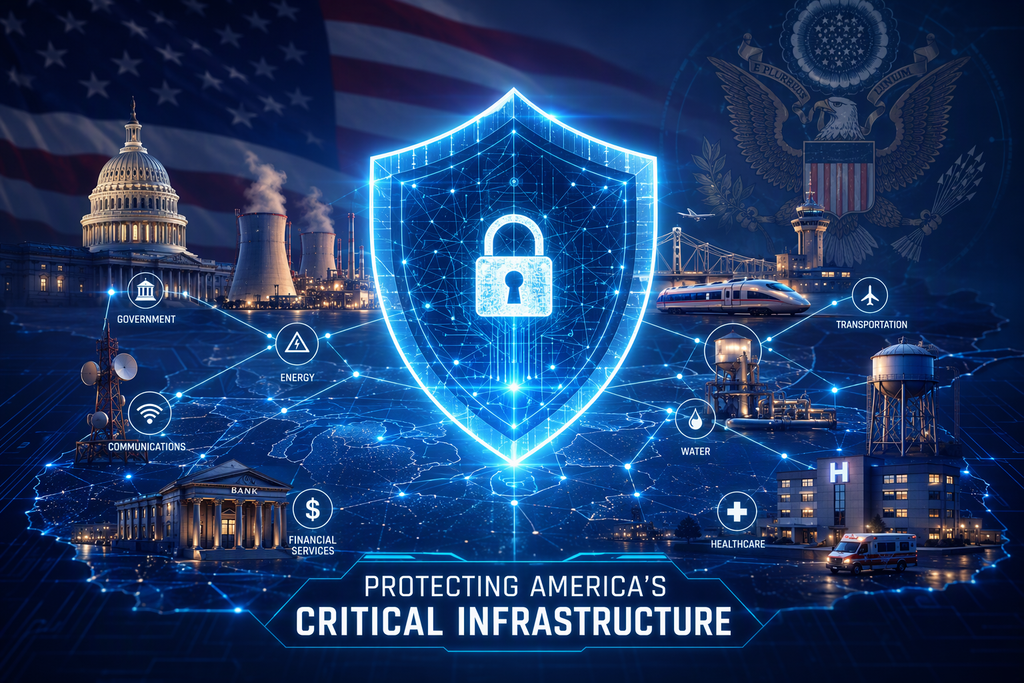
Key Highlights
- CISA is the nation’s cyber defense agency within the Department of Homeland Security.
- It was created in 2018 through the Infrastructure Security Agency Act.
- CISA’s mission centers on critical infrastructure, cyber defense, and national security.
- The agency supports the federal government, government agencies, and the private sector.
- Its work includes risk assessments, incident response, emergency response, and information sharing.
- CISA also promotes best practices and infrastructure protection across the United States.
Introduction
The Cybersecurity and Infrastructure Security Agency, often called CISA, is a key infrastructure security agency in the United States. As part of homeland security, it helps protect the systems people rely on every day, from government networks to major services that keep the country running. You may hear about CISA during cyber incidents, public alerts, or security guidance. Its role is broad, but the goal is simple: reduce risk and strengthen resilience across vital infrastructure.
The Founding and Mission of CISA
CISA is an operational component of the Department of Homeland Security. It grew out of the former National Protection and Programs Directorate and became a separate agency through the Infrastructure Security Agency Act in 2018. That change gave it a clearer identity and stronger authority.
At its core, CISA’s mission is to serve as the nation’s cyber defense agency and national coordinator for critical infrastructure security and resilience. To understand how that mission took shape, it helps to look at when the agency was created and what it was built to do.
When and Why the Cybersecurity and Infrastructure Security Agency Was Created
CISA was established on November 16, 2018. That happened when President Donald Trump signed the Infrastructure Security Agency Act, formally creating the Cybersecurity and Infrastructure Security Agency within the Department of Homeland Security.
Before that, its work sat under the National Protection and Programs Directorate. The new law elevated that structure into a dedicated agency. This opened the door to greater authority, a clearer mission, and stronger focus on cyber security and infrastructure issues tied to national security.
The reason for creating CISA was practical. The United States needed a central civilian agency focused on reducing threats to critical physical and digital systems. As cyber risks expanded, the government needed one body to lead protection efforts, support coordination, and respond more effectively across federal and nonfederal environments.
Core Mission and Pillars of CISA
CISA’s core mission revolves around protecting the nation’s critical infrastructure from both physical and cyber threats. This infrastructure security agency operates through several pillars, including risk management and incident response, ensuring national security. By fostering information sharing among federal agencies, private sector organizations, and local governments, CISA enhances the cybersecurity posture across critical infrastructure sectors. Through initiatives like the Joint Cyber Defense Collaborative and the National Risk Management Center, they provide essential tools and technical assistance, bridging the gap between communities and security efforts.
Organizational Structure and Leadership
CISA is a security agency inside the Department of Homeland Security, and its structure reflects a mix of operational work and coordination. It is built to handle cyber defense, infrastructure security, emergency communications, and partner engagement across the country.
The agency is led by a director and leadership team, with major divisions headed by senior officials. This setup helps CISA act as a national coordinator while still running day-to-day missions. A closer look at its internal departments and leadership makes that structure easier to understand.
Key Departments and Divisions Within CISA
CISA is organized into several major divisions, each focused on a different part of the mission. These units support cyber operations, risk analysis, partner coordination, and physical security work. Together, they help the agency respond to changing threats in a practical way.
Some of the most visible parts of CISA include the Cybersecurity Division, the National Risk Management Center, the Stakeholder Engagement Division, the Infrastructure Security Division, and the Emergency Communications Division. The agency also includes the Communications Integration Center within its cyber structure.
| Division or Office | Main Function |
|---|---|
| Cybersecurity Division | Strengthens defenses, handles vulnerabilities, and supports cyber operations |
| National Risk Management Center | Provides actionable risk analysis for secure and resilient critical infrastructure |
| Stakeholder Engagement Division | Builds voluntary partnerships and supports information exchange |
| Infrastructure Security Division | Manages all-hazards risk to physical infrastructure and resilience |
| Emergency Communications Division | Supports public safety and emergency communications capabilities |
The Director and Leadership Team
CISA is led by a director who reports to the Secretary of Homeland Security and serves as a principal advisor on the agency’s mission. The director is appointed by the president and confirmed by the Senate, which reflects the importance of the role.
The director and leadership team also include the deputy director and executive director. Across the agency, major divisions are led by executive assistant directors or assistant directors. That leadership model supports both policy direction and operational delivery within this security agency.
Based on the compiled information, Nick Andersen is listed as Acting Director. Earlier leaders included Chris Krebs, CISA’s first director, and Jen Easterly. Together, the leadership team helps CISA perform its role as national coordinator for civilian cyber defense, infrastructure resilience, and national protection efforts.
How CISA Protects U.S. Critical Infrastructure
CISA plays a crucial role in critical infrastructure protection by helping secure systems that support public life, commerce, and government functions. Its work covers both cyber and physical risks, which is important because modern infrastructure depends on connected technology.
The agency approaches this job through cyber defense, coordination, and risk management. It assesses threats, shares guidance, and works with partners across sectors. To see how that looks in practice, it helps to break down the sectors CISA focuses on and the tools it uses to protect them.
Focus Areas: From Energy to Transportation Sectors
CISA works across all 16 critical infrastructure sectors. The compiled information notes that the agency coordinates risk assessment and resilience efforts across these sectors, which means its reach goes well beyond one industry or one type of threat.
Its focus includes systems tied to essential services and daily operations. Guidance has covered areas such as communications, cloud security, elections, and grid resilience. That broad mission supports infrastructure protection where disruption could affect large numbers of people.
Examples of focus areas include:
- Energy sector systems tied to grid reliability and resilience
- Transportation sector networks that support movement and logistics
- Communications infrastructure that underpins connectivity
- Election-related systems connected to public trust and continuity
- Federal cloud environments that support government operations
Strategies and Tools CISA Uses to Safeguard Infrastructure
CISA helps protect critical infrastructure from cyber threats by combining operational support with planning and coordination. It performs risk assessments, issues security guidance, and works across sectors to improve resilience before an attack happens.
When incidents occur, the agency supports incident response and shares useful information with affected organizations. It also runs programs for federal cybersecurity, detects malicious activity on government networks, and can issue directives requiring agencies to address urgent risks.
Key strategies and tools include:
- Risk assessments across critical infrastructure sectors
- Incident response support and technical assistance during cyber events
- Threat intelligence and information sharing with public and private partners
- Operational directives and cybersecurity guidance for federal agencies
CISA Services and Resources for Businesses and Organizations
CISA supports businesses and organizations by offering practical resources, security guidance, and operational help. Its services are not limited to the federal government. The agency also works with the private sector and other outside partners that manage important systems and services.
This support can include risk assessments, alerts, tools, and technical assistance. For many organizations, CISA is a source of trusted cybersecurity information during both routine planning and active incidents. The next sections explain the kinds of guidance it provides and how it works with private partners.
Guidance, Alerts, and Incident Reporting Support
CISA provides businesses and organizations with guidance, alerts, and support tied to cyber incidents. This includes practical material that helps teams understand threats, strengthen defenses, and respond more quickly when something goes wrong.
The agency publishes cybersecurity advisories and other official notices, and it provides incident response services to U.S.-based entities. It also offers technical assistance and tools that can help organizations improve security planning and handle incident reporting more effectively.
Common types of support include:
- Guidance documents on ransomware, AI security, and infrastructure resilience
- Alerts and cybersecurity advisories about active risks and vulnerabilities
- Incident reporting pathways and incident response support
- Technical assistance and security tools for preparedness and recovery
Programs and Initiatives Aimed at Private Sector Partners
CISA works closely with private sector organizations because many critical systems are owned or operated outside government. That makes partnership a basic part of the agency’s mission, not an extra task on the side.
A strong example is the Joint Cyber Defense Collaborative, which supports operational planning and public-private coordination. CISA also develops guidance with industry and international partners, promotes best practices, and encourages threat intelligence sharing to improve cybersecurity performance across sectors.
Important partner-focused efforts include:
- Joint Cyber Defense Collaborative planning and coordination
- Voluntary information sharing on cyber incidents and emerging risks
- Guidance on secure development and deployment of AI systems
- Collaboration forums managed through stakeholder and sector engagement teams
Collaborations and Distinctions from Other Cybersecurity Agencies
CISA does not work alone. It regularly collaborates with government agencies, the private sector, and international partners to address cyber threats that move quickly across systems and borders. That cooperative model is central to how the agency operates.
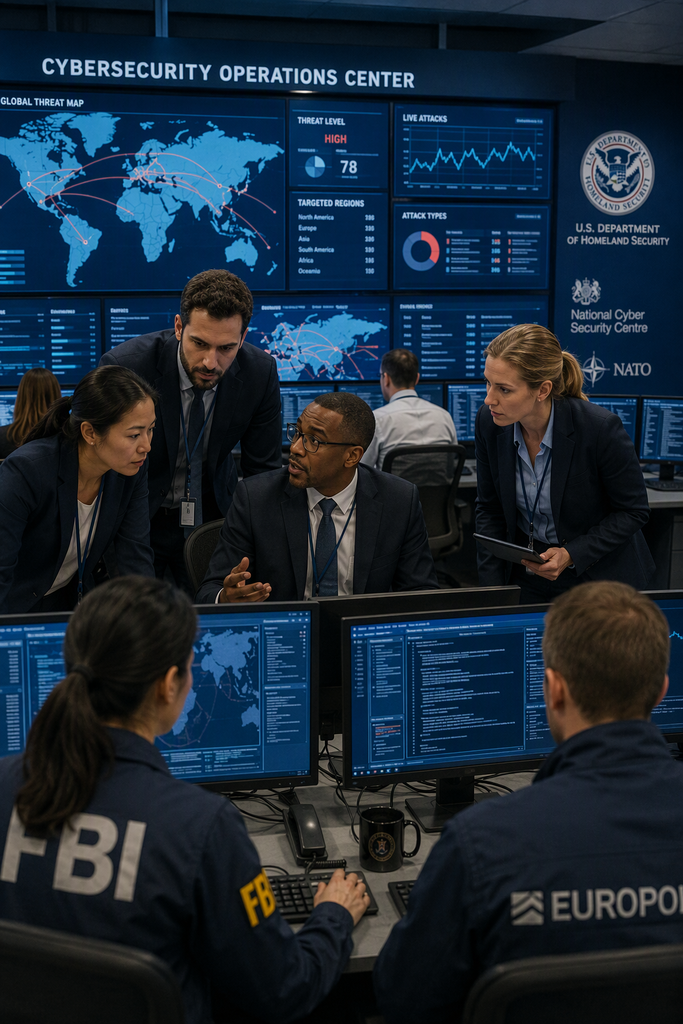
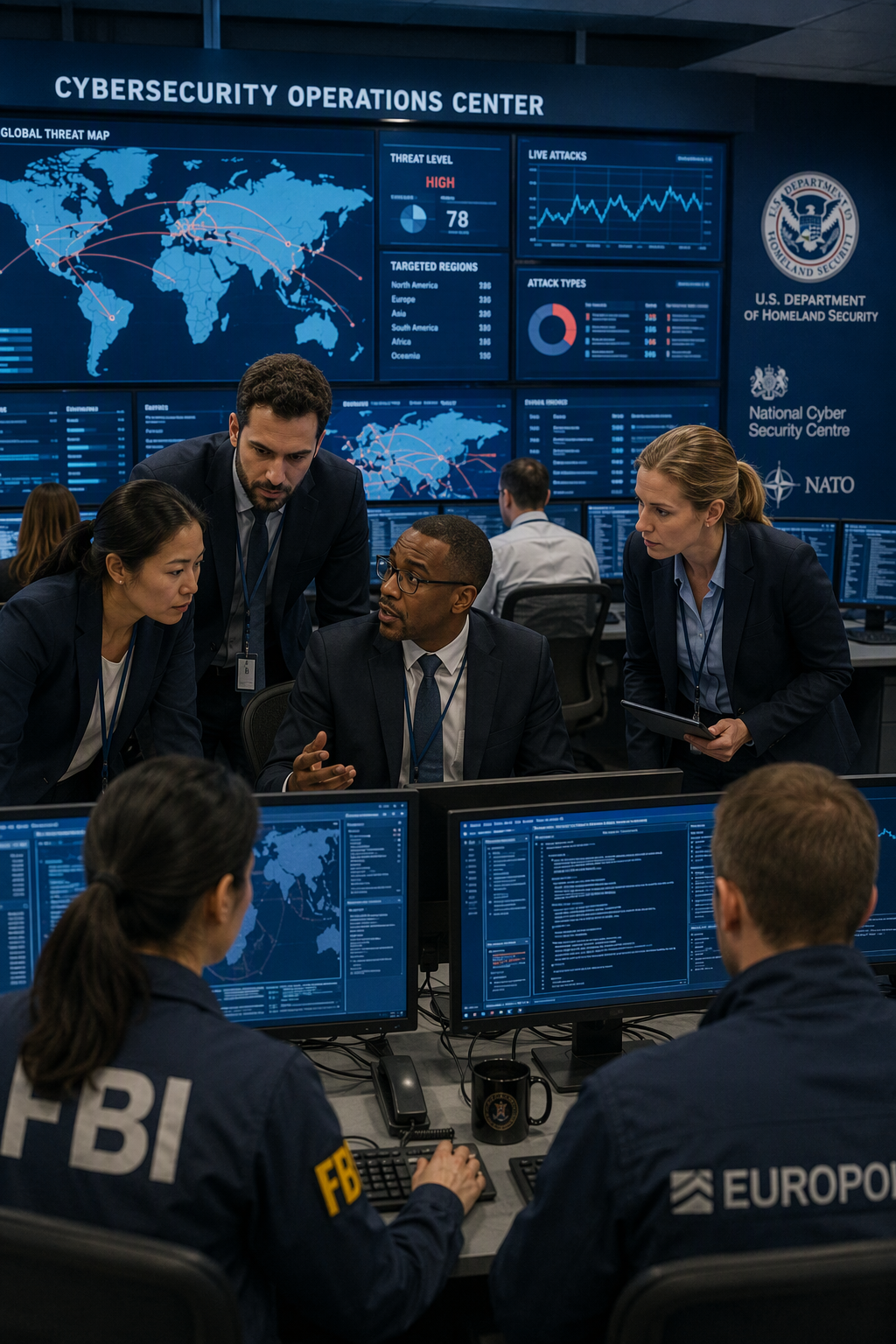
At the same time, CISA has a distinct role compared with other cybersecurity agencies. It focuses on civilian infrastructure, federal civilian networks, and public-private coordination rather than military or offshore operations. Those partnerships and differences are worth looking at more closely.
Key Partnerships with Government and Private Entities
CISA’s partnerships stretch across many layers of public and private life. It works with federal agencies, state and local governments, industry, and allied countries to support shared awareness and coordinated action during cyber and infrastructure risks.
This approach matters because no single organization sees the whole picture. Through information sharing and joint planning, CISA helps connect technical details, policy concerns, and real-world operations. The Joint Cyber Defense Collaborative is one of the clearest examples of this model in action.
Key partners include:
- Federal agencies across the civilian executive branch
- State, local, tribal, and territorial government agencies
- Private sector owners and operators of critical infrastructure
- International partners such as the UK, EU, and G7 participants
- Joint Cyber Defense Collaborative members supporting shared defense planning
What Sets CISA Apart from Other U.S. Agencies
What sets CISA apart is its role as the nation’s civilian cyber defense and infrastructure security agency. It sits inside the Department of Homeland Security and focuses on securing federal civilian networks and helping protect the broader infrastructure environment.
Its unique role is also tied to coordination. CISA acts as a national coordinator for critical infrastructure security and resilience, which means it is expected to connect government, industry, and other stakeholders around risk reduction and response.
That differs from bodies such as the National Security Agency, which generally focus on military, intelligence, or offshore cyber matters. CISA, by contrast, centers on civilian systems, infrastructure protection, emergency communications, and practical support to public and private entities operating in the United States.
Recent Initiatives, Campaigns, and Updates
CISA’s recent initiatives show how the agency is adapting to newer risks, especially where cybersecurity efforts now overlap with AI, infrastructure resilience, and public-private coordination. These efforts are not just internal projects. Many are designed to guide outside organizations as well.
You can see this through its outreach efforts, published playbooks, exercises, and sector guidance. If you want to track how CISA is evolving, the agency’s recent programs and official update channels are the best places to start.
Noteworthy Programs and Outreach Efforts
Recent CISA work has placed strong attention on AI security, cross-sector planning, and practical collaboration. The compiled information shows the agency taking on expanded duties after the 2023 Executive Order on AI, especially around risk management for critical infrastructure.
Its outreach has included tabletop exercises, published guidance, and new internal leadership for AI strategy. These efforts support cybersecurity efforts by helping organizations understand new risks and improve coordination before a major incident response is needed.
Noteworthy recent initiatives include:
- The 2023-2024 CISA Roadmap for AI
- The January 2025 AI Cybersecurity Collaboration playbook
- AI security tabletop exercises held with industry, government, and international participants
- The April 2024 safety and security guidelines for critical infrastructure owners and operators
Where to Find Official Alerts and News from CISA
If you want official alerts and news from CISA, the most direct source is the agency’s website. That is where it publishes cybersecurity advisories, directives, guidance, leadership information, and updates tied to active threats and ongoing initiatives.
The compiled information also points to specific parts of the agency involved in public communication and technical coordination, including the Communications Integration Center. CISA’s career pages and LinkedIn presence are additional places where updates about agency activity may appear.
Useful places to check include:
- CISA’s official website for alerts, directives, and cybersecurity advisories
- Agency pages related to the Communications Integration Center and major programs
- CISA’s LinkedIn page for public news and activity updates
Conclusion
In conclusion, the Cybersecurity and Infrastructure Security Agency (CISA) plays a pivotal role in safeguarding the nation's critical infrastructure. By focusing on collaboration with both government and private sectors, CISA equips organizations with essential resources, guidance, and support to navigate the complexities of cybersecurity. With its ongoing initiatives and commitment to protecting vital sectors like energy and transportation, CISA stands as a trusted partner in the fight against cyber threats. To learn more about how CISA can help you secure your organization, don't hesitate to reach out for a free consultation or explore their resources directly. Your proactive engagement with CISA can make a significant difference in enhancing your cybersecurity posture.
Frequently Asked Questions
How can individuals or organizations report a cyber incident to CISA?
Individuals or organizations can use CISA’s official channels for incident reporting and support. The agency provides incident response services, emergency response coordination, and technical assistance for cyber incidents. Its website is the main place to find current reporting options, guidance, and steps for submitting details quickly.
What types of businesses and organizations should engage with CISA?
Businesses, private sector operators, critical infrastructure owners, and organizations that manage important digital or physical systems should engage with CISA. Federal government partners also work closely with the agency. If your operations affect essential services, security, or resilience, CISA resources can be highly relevant to your planning.
How does CISA respond during major national cyber incidents?
During major incidents, CISA supports incident response, coordinates cyber defense efforts, and works with federal agencies and outside partners. It also helps manage emergency communications and shares operational guidance. Its role is to improve coordination, reduce disruption, and support national security during fast-moving cyber events.
https://www.cisa.gov/news-events/news/cisa-hiring-hits-high-score-and-were-not-done
https://www.cisa.gov/about/leadership/dr-madhu-gottumukkala
https://en.wikipedia.org/wiki/Cyber_Security_and_Information_Systems_Information_Analysis_Center