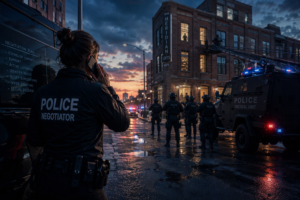
Discover essential tips for transitioning from a uniformed police officer to a detective
 admin001
Transitioning from a Uniformed Police Officer to a Detective: A Guide

Key Highlights
- You start as a police officer and build a strong foundation in law enforcement.
- Most agencies expect patrol officer experience before you can move into detective work.
- A bachelor’s degree or other higher education can strengthen your promotion chances.
- Strong report writing, communication, and investigative work habits matter every day.
- The move usually includes exams, interviews, and department selection processes.
- After promotion, your work shifts from rapid response to long-term case building.
Introduction
Moving from a uniformed police officer role into detective work is a common goal in law enforcement. It is also a promotion path, not a separate entry point. That means you first build your career as an officer, develop strong patrol habits, and then compete for investigative assignments. If you want a clearer picture of what the shift involves, this guide walks you through the timeline, educational path, required skills, and daily changes you can expect.
Understanding the Transition from Uniformed Police Officer to Detective
For many people in criminal justice, becoming a detective is a natural long-term goal. Yes, it is common for a police officer to join law enforcement with interest in detective work, especially if they enjoy problem-solving and follow-up investigations.
Still, the move takes time. Detective work grows out of patrol experience, strong evaluations, and proven investigative work. You do not skip the street-level foundation. That background helps you handle cases, understand evidence, and work effectively inside a police department.
Key Differences Between Patrol and Detective Roles
A patrol officer usually responds to calls in progress, secures scenes, manages emergency response, and documents the first facts. The work is immediate and public-facing. You move quickly from one call to the next and often make fast decisions under pressure.
By contrast, the detective role centers on follow-up investigative work. You build cases over time, interview witnesses, review records, analyze physical and digital evidence, and coordinate with prosecutors or forensic specialists. Case management becomes a major part of your day.
Another big change is paperwork. Television often overplays action, but detective work depends heavily on report writing, reviewing surveillance, preparing warrants, and organizing case files. The main steps into this role usually include patrol experience, strong performance, promotional testing, and post-promotion training.
Common Motivations for Becoming a Detective
Many officers aim to become a police detective because they want a deeper role in criminal investigations. Instead of handling only the first response, they want to carry a case further and help build it for prosecution. That makes this career path appealing from the start of many law enforcement careers.
Others are motivated by growth. Some departments value higher education, and officers may see detective work as a way to use a criminal justice background, a related field degree, or specialized training more directly.
- You may want longer-term involvement in solving crimes.
- You may be drawn to specialized assignments such as fraud or homicide.
- You may see it as a strong career path with room to advance.
What You Need to Get Started on the Path to Detective
First, you need to qualify and serve as a police officer. Law enforcement agencies generally expect you to meet entry standards, complete police academy training, and begin active patrol duty before any detective opportunity becomes possible.
Education also matters. While a high school diploma may support initial entry in some places, many departments prefer or require added college work for detective promotion. These educational requirements vary, but stronger academics often improve your standing when the time comes to apply.
Educational Requirements and Recommended Qualifications
A high school diploma or GED is usually the basic starting point for patrol entry. After that, many agencies look favorably on college coursework, especially when you are seeking advancement. A criminal justice program or another related field can help you build knowledge in criminal law, evidence procedures, and interviewing.
In many departments, a bachelor’s degree is preferred or required for detective promotion. Some agencies may accept an associate’s degree with stronger patrol experience, while additional education can support later movement into supervisory investigative roles.
| Education Level | Typical Value for Detective Path |
|---|---|
| High school diploma or GED | Baseline for patrol entry and police academy training |
| Associate’s degree | May meet needs in some smaller agencies when paired with experience |
| Bachelor’s degree | Often preferred or required for detective eligibility |
| Master’s degree or more | Supports leadership and advanced investigative advancement |
Essential Skills and Personal Attributes for Detectives
Successful detectives rely on a mix of judgment, patience, and structure. Critical thinking helps you sort facts from assumptions. Deductive reasoning helps you connect details that may seem unrelated at first. Those skills matter when cases become complex or move slowly.
Just as important are communication skills. You need to interview victims, suspects, and witnesses clearly and professionally. You also need strong report writing because case files are reviewed by prosecutors, defense attorneys, judges, and supervisors.
- Strong investigative skills help you follow leads methodically.
- Clear communication supports interviews, testimony, and teamwork.
- Careful attention to detail improves evidence handling and documentation.
Resources and Equipment Useful for Aspiring Detectives
You do not need to wait for promotion to start learning. Many aspiring detectives build knowledge through department resources, ride-alongs, study guides, and investigative coursework. This kind of professional development can sharpen your understanding of best practices before openings appear.
It also helps to become comfortable with core investigative areas. These include forensic science, evidence collection, crime scene preservation, warrant preparation, and the handling of digital evidence such as phone records or surveillance material.
- Investigative training centers can expand your technical foundation.
- Professional associations offer learning and networking opportunities.
- Exam preparation materials can help you prepare for detective selection steps.
Step-by-Step Guide to Moving from Patrol Officer to Detective
The transition usually follows a clear sequence. You become a police officer, complete academy requirements, and build patrol experience over several years. Most departments expect at least 3 to 5 years, though some smaller agencies may allow eligibility sooner.

After that, detective promotion requirements often include a written exam, interviews, and a ranking process. Strong evaluations, education, and specialized assignments can help. The next sections break down each stage so you can see how the move happens in practice.
Step 1: Gaining Experience as a Uniformed Officer
Your first priority is becoming a strong uniformed officer. Departments expect detectives to understand street-level policing before they move into follow-up investigations. That is why patrol duty is the normal starting point across most agencies.
As a patrol officer, you learn emergency response, scene security, preliminary investigations, report preparation, and courtroom basics. These experiences help law enforcement officers understand how cases begin. They also build judgment under pressure, which carries over into later investigative work.
You can strengthen your future application by seeking broad exposure. Community policing assignments, crime scene calls, and opportunities to assist with follow-ups can all help. Over time, that patrol foundation becomes one of the most important parts of your detective path.
Step 2: Building a Strong Professional Reputation
Experience alone is not always enough. In many departments, your reputation matters almost as much as your time on the job. Supervisors look for officers who are dependable, ethical, and consistent in how they handle calls, reports, and public contact.
You also want to show growth. Good communication skills, organized case management habits, and steady professional development help you stand out inside a police department. Detectives often need recommendations or positive evaluations, so everyday performance counts.
- Turn in accurate reports and meet deadlines.
- Build trust with supervisors, investigators, and peers.
- Volunteer for training or assignments that show initiative in law enforcement.
Step 3: Completing Detective Examinations and Application Process
Once you meet eligibility rules, you usually enter a formal detective promotion process. This may include a written exam on criminal law, investigative procedures, evidence, and constitutional law. Some agencies also use oral boards or assessment exercises.
The hiring process is competitive. Candidates are often ranked on an eligibility list, and department leaders may consider education, commendations, and training along with exam results. Even after you qualify, you may wait until detective openings become available.
Agency size affects timing. Larger departments often have more competition and longer lists, while smaller agencies may move faster. Your police academy background starts the journey, but promotion depends on performance, preparation, and departmental need.
Step 4: Undergoing Detective Training and Certification
Yes, transitioning to detective usually involves added training after promotion. New investigators often attend a detective school or department program that focuses on interviews, evidence handling, surveillance, warrant preparation, and advanced case development.
Training needs can vary by police department and assignment. A detective bureau may also provide focused instruction in areas such as crime scene processing, digital forensics, informant management, or homicide investigation. This is where your earlier patrol knowledge gets expanded into full investigative practice.
Certification is not always mandatory across every agency, but it can support long-term growth. Additional education and specialty credentials in investigative fields may strengthen your career options and show commitment to professional standards.
Step 5: Adjusting to New Responsibilities as a Detective
After promotion, your routine changes fast. Instead of moving from call to call, you spend more time on investigative work that unfolds over days, weeks, or longer. You may handle witness interviews, search warrants, prosecutor coordination, and detailed evidence review.
The workload can feel heavier in a different way. A major case or homicide investigation brings pressure, long hours, and a need for accuracy. You are expected to manage details carefully because mistakes can affect charging decisions or court outcomes.
- Expect more report writing and less visible street patrol.
- Expect deeper case management and longer follow-up responsibilities.
- Expect complex decisions tied to evidence, timelines, and legal procedure.
Challenges and Adjustments in the Detective Role
Detective work can be rewarding, but the adjustment is real. Criminal investigations often move slower than patrol, and progress may depend on records, lab results, interviews, or prosecutor feedback instead of immediate action.
You also carry more ownership over outcomes. Case management becomes central, especially when complex cases involve many witnesses, evidence sources, and deadlines. The next two sections cover how that shift feels in practice and which common myths can mislead new detectives.
Adapting to Investigative Work Versus Patrol Duties
The biggest adjustment is pace. As a patrol officer, you often resolve immediate problems and move on. In investigative work, you stay with the same matter much longer. That means patience matters as much as urgency.
Your focus also shifts from first response to full case development. Evidence collection, record review, witness credibility, and legal procedure all take more time. You may spend hours organizing facts before taking the next step. That can be frustrating if you are used to constant movement.
At the same time, your role in the criminal justice system becomes more detailed. You help shape how a case is presented for prosecution. That requires discipline, accuracy, and comfort with long stretches of review, follow-up, and documentation.
Overcoming Common Misconceptions About Detectives
A common misconception is that detective work is nonstop action. In reality, a police detective spends a large part of the job reviewing files, documenting findings, and coordinating with others. Field activity still happens, but paperwork and analysis take up a major share of time.

Another myth is that all detectives work only violent crimes. Some do, but criminal investigations cover many categories, including fraud, burglary, cybercrime, and identity theft. In smaller agencies, one detective may handle several types of cases rather than one specialty.
- Detectives do not solve every case quickly.
- Detectives often spend more time on documentation than people expect.
- Detectives may investigate property, financial, or digital crimes, not just violent crimes.
Conclusion
Transitioning from a uniformed police officer to a detective is an exciting opportunity that opens up a new realm of challenges and responsibilities. As you align your skills and experiences with the demands of investigative work, remember that perseverance and dedication are key. Embracing the educational requirements and honing essential skills will serve you well on this journey. Although the path may come with its share of obstacles, each step taken brings you closer to fulfilling your aspirations. By understanding the nuances of both roles, you can successfully navigate your transition and thrive in your new career. If you're ready to take the first step, don't hesitate to reach out for guidance or support as you embark on this rewarding journey.
Frequently Asked Questions
How long does it usually take to become a detective in the United States?
For most officers, becoming a police detective takes about 5 to 8 years from the start of a law enforcement career. Many law enforcement agencies require 3 to 5 years of experience in a police department before detective eligibility. Bureau of Labor Statistics data is often used for salary and job outlook context.
Can a detective return to a patrol position if desired?
In some cases, yes, because assignments and staffing needs vary by police department and agency size. The exact option depends on department policy and available positions. Since detective work is part of a broader law enforcement career path, movement between roles may happen as part of professional development.
Are additional certifications required when becoming a detective?
Usually, new detectives complete detective training after promotion, but required certification depends on the agency. Police academy completion starts your law enforcement path, while additional education or specialty certification may be encouraged later. Many law enforcement officers pursue these credentials to support advancement or specialized assignments.
What daily changes should I expect after becoming a detective?
Your day will usually involve less visible patrol officer activity and more detective work tied to criminal investigations. Expect heavier case management, more witness interviews, more coordination with prosecutors, and much more report writing. The pace is often slower, but responsibility for details and follow-up becomes much greater.
https://www.police1.com/police1-newsletters
https://www.bls.gov/ooh/protective-service/police-and-detectives.htm#tab-5
https://www.miami.gov/Careers-Jobs/City-Jobs/Become-a-Miami-Police-Officer
https://www.va.gov/education/about-gi-bill-benefits/post-9-11/yellow-ribbon-program