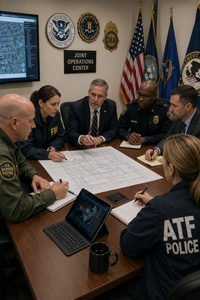
What is the Function of National Guard in Emergencies?
 admin001
What is the function of National Guard in Emergencies?
Key Highlights
- The national guard serves both states and the federal government during emergencies.
- Guard units respond to disasters, civil unrest, border support, and overseas missions.
- National guard personnel often help with disaster response, search efforts, and public safety.
- The force includes the Army National Guard and Air National Guard.
- State governors usually activate the guard first for local crises.
- In some cases, the president can place guard members in federal service.
Introduction
The national guard plays a unique role in the United States because it can support both state leaders and the federal government. When emergencies strike, you often see guard members helping communities recover, protect key sites, and support public order. That flexibility makes the force different from many other military organizations. It also explains why the national guard appears in disaster zones, at the southern border, and during other domestic missions that require quick, organized action.
Understanding the National Guard
The national guard is a special military force in the United States with both state and federal duties. Unlike regular active-duty forces, many guard units serve part time while members also work civilian jobs or attend school. That citizen-soldier model shapes how the guard operates.
Its reach is broad. The force serves across the states, the District of Columbia, and several territories. In daily practice, the national guard supports disaster response, domestic missions, and overseas operations. To understand that role better, it helps to look at its definition, history, and structure.
Definition and Key Characteristics
At its core, the national guard is a military force that can carry out both state and federal functions. That is what makes it stand out. Most guard units respond first to local needs, especially when governors need fast support during storms, unrest, or other urgent events.
Another key trait is who serves in it. Many members are military personnel on a part-time schedule, usually training one weekend each month and serving additional weeks each year. Most serve in the same states where they live, which strengthens local knowledge and community ties.
The guard also grew from older state militias. Today, it remains linked to that tradition while operating as a modern force. Its main functions include disaster relief, support to law enforcement in certain situations, border assistance, election support, and overseas missions when called into federal service.
Historical Origins and Evolution
The national guard traces its roots to colonial militias in early America. Those groups followed an English tradition in which citizen-soldiers helped provide common defense. The first militia regiments in what became the United States were created by the Massachusetts Bay Colony in 1636.
After independence, these forces continued as state militias. That reflected a basic American idea: states would keep an important role in defense while the national government also held authority. This balance became part of the country’s structure and shaped how the guard developed over time.
Big changes came later. The Militia Act of 1903 and the demands of the world wars helped transform loose local forces into a more organized, trained, and equipped institution. By the time of the Civil War and beyond, the need for reliable state-level response had become clear, which is one reason the guard remains so important in emergencies today.
Structure of the U.S. National Guard
The U.S. National Guard has two main parts: the Army National Guard and the Air National Guard. Both are reserve components, but they are distinct from the regular Army and Air Force reserves. That split allows the force to support missions on the ground and in the air.
National guard units are spread across all fifty states, Washington, DC, and several territories. That includes Puerto Rico, Guam, and the Virgin Islands. As of fiscal year 2024, more than 427,000 members served in fifty-four separate organizations, giving the guard a wide national footprint.
Authority is divided because these national guard troops can operate under governors or the president, depending on the mission. At the federal level, the National Guard Bureau provides oversight. This structure helps explain why the guard can move between local disaster support and wider federal missions.
Organization and Authority
Control of the national guard depends on the mission. Most of the time, state governors direct guard activities inside their own states or territories. That state control is especially important during weather disasters, health emergencies, and other local crises, especially for the first time in unprecedented situations.
Still, the federal government can step in under certain conditions. The National Guard Bureau helps connect state and federal systems, making the force workable across both levels of authority. If you want to understand who gives orders and why, the next sections break down the guard’s legal and leadership structure.
State versus Federal Control
In most situations, the national guard operates under state control, meaning that state governors decide, with the consent of the governor, when guard members are activated for local missions such as storm response, wildfire support, or civil unrest. These missions are usually shorter and often funded by the state.
Federal control works differently. A president can place guard units into federal service for national missions, overseas deployments, border support, or other needs, including support from states like South Dakota. These deployments often last longer than state missions. The DC National Guard is different again because it is under federal authority rather than a governor.
Usually, presidents act with a governor’s consent. Still, there have been exceptions. President Trump’s 2025 move involving Los Angeles during immigration protests became notable because it bypassed the governor, something not seen in decades. In short, who calls the guard depends on whether the mission falls under state needs or a federal purpose.
Role of the National Guard Bureau
The National Guard Bureau serves as the main federal-level organization overseeing the guard. It helps connect the states, territories, and the federal military system. That support matters because the guard must function across local emergency response and wider federal missions.
Its leader is a four-star general who is also a member of the Joint Chiefs of Staff. That gives the bureau an important voice in top military discussions. The bureau also helps manage policy, coordination, and readiness for the force as a whole.
This role is especially useful because the guard is spread across the country, including the District of Columbia and U.S. territories. While governors command most state missions, the bureau helps align training, planning, and support so that guard units can shift smoothly into federal missions when needed.
Command Structure and Leadership
The command structure of the national guard is built around dual authority. In state missions, governors and state military leaders direct operations. In federal missions, command shifts into the national military chain. That arrangement gives leaders flexibility when emergencies or military needs change quickly.
For national guard personnel, leadership depends on where they are serving. During local activations, they may work under state leadership close to home. During federal assignments, especially overseas, they can train and operate alongside active-duty forces with duties similar to regular military personnel.
The Army National Guard shows this balance clearly. Its members may help with disaster relief in one season and support federal operations in another. Good leadership keeps those transitions orderly. It also ensures the guard can carry out its main functions without losing focus on readiness, safety, and mission discipline.
Core Functions of the National Guard
The national guard has several major jobs, and they reach far beyond one type of mission. It supports national security and homeland security while also helping states handle immediate local problems. That mix is what makes the force so visible in both peace and crisis.
You can think of its work in three broad areas: defense support, state emergency response, and federal missions overseas. Each one matters. The next sections explain how those roles take shape during everyday readiness and major events.
Defense and Homeland Security
One central function of the national guard is supporting national security. Guard members help protect the country through military readiness, border support, intelligence work, and coordination with the armed forces. These duties can happen inside the United States or as part of broader defense operations.
Homeland security is another major area. The guard can respond to threats affecting public infrastructure, transportation systems, and election operations. In recent years, members have provided cybersecurity support to state and local governments during election periods and other high-risk moments.
The guard’s role is shaped by federal law and by the limits placed on military activity at home. Even so, it remains one of the most flexible forces available to government leaders. That flexibility lets it support civilian authorities without losing its identity as part of the nation’s larger military system.
State-Level Response Roles
The national guard is especially important in state-level emergencies because it can respond quickly, close to home, and under familiar leadership. State governors can activate units when communities face floods, wildfires, storms, protests, or other domestic emergencies that overwhelm normal local capacity.
This role connects directly to the guard’s roots in state militias. That history still matters. Because many members live in the same areas they serve, they often know local roads, weather risks, and community needs better than outside forces would.
For you as a citizen, that means the guard can bridge the gap between civilian agencies and military support. It brings manpower, transportation, communications, and organization when time is critical. In many cases, that fast state response is the reason recovery can begin sooner and public safety can be stabilized more effectively.
Overseas Deployments and Missions
Yes, the national guard can serve overseas. When placed in federal service, guard members support the same kinds of missions carried out by other parts of the armed forces. Their assignments can include combat support, intelligence work, training, and operational assistance.
Since 9/11, more than one million guard members have taken part in overseas deployments. They have served in Afghanistan, Iraq, Europe, the Pacific, the Horn of Africa, and other regions. On any given day, thousands are deployed around the world.
These missions often place the guard side by side with active-duty personnel. In many cases, their duties are nearly identical. The Air National Guard has become especially important in areas such as drone operations and intelligence analysis, including support related to Ukraine, South Korea, and the Middle East.
National Guard in Emergency Situations
When emergencies happen inside the United States, the national guard is often one of the first large forces brought in to help. A guard deployment usually follows requests linked to public safety, severe weather, unrest, or other urgent disruptions that local agencies cannot handle alone.
Its disaster response role can include transportation, communications, rescue support, and crowd management. The exact mission depends on the event. To see how that works in practice, it helps to look at activation triggers, deployment methods, and real domestic examples.
Types of Emergencies Requiring Activation
The national guard is typically activated when a crisis grows beyond the capacity of local responders. These events may develop quickly or build over time, but they share one feature: they require organized manpower, equipment, and command support fast.
Common triggers include weather disasters, major security concerns, and public disturbances. In some cases, activation begins at the state level. In others, a president may respond to a broader national emergency or another federal need.
- A natural disaster such as hurricanes, wildfires, or floods
- Civil unrest that threatens public safety or key infrastructure
- A national emergency tied to border security or large-scale disruption
- Special situations such as election security or public health response
Because these events vary so much, guard missions are tailored to the needs of each incident rather than handled with a one-size-fits-all plan.
How the National Guard is Deployed in Disasters
In disasters, guard deployment usually begins with a request from state leaders. Governors activate units to support communities facing immediate danger or severe disruption. That state-based process is one reason the guard can move faster into local emergencies than many regular military forces.
Once activated, guard members may deliver supplies, assist with evacuations, restore communications, support transportation, or help maintain order. Their disaster response work is practical and flexible. They are there to support civilian agencies, not replace them.
This is one way the national guard soldiers differ from regular Army forces. The national guard is built for both military duty and domestic response under state authority. Its members, often national guard soldiers, live near the affected area, understand local conditions, and can shift into support roles without waiting for a purely federal military deployment.
Examples of Recent Domestic Deployments
In recent years, the national guard has been used in a wide range of domestic missions, including the domestic use of the military for disaster response after storms and wildfires. Others involved civil unrest, election security, public transit safety, or support during the pandemic.
History also provides well-known examples. The Los Angeles riots in 1992 led California’s governor to request federal control of members of the guard forces. Hurricane Katrina remains a major example of large-scale disaster support. The Arkansas National Guard is often discussed in civil rights history because of its federalization during school desegregation.
| Event | Guard role |
|---|---|
| Hurricane Katrina | Supported disaster relief and emergency operations |
| New York subway deployment, 2024 | Assisted police presence in busy stations |
| Los Angeles riots, 1992 | Helped restore order after the governor sought federal help |
| Maui wildfire response, 2023 | Supported search, recovery, and public order |
These examples show how guard missions change based on what communities need most.
Disaster Response and Humanitarian Aid
Disaster response is one of the national guard’s most visible responsibilities. When people need immediate help, national guard personnel can bring equipment, transportation, manpower, and structure to chaotic situations. That makes the force valuable in both rescue and recovery phases.
Humanitarian aid is part of that same mission. The guard helps communities stabilize after damage, displacement, and service failures. The next sections look at natural disasters, rescue work, and medical support in more detail.
Natural Disasters: Hurricanes, Floods, and Fires
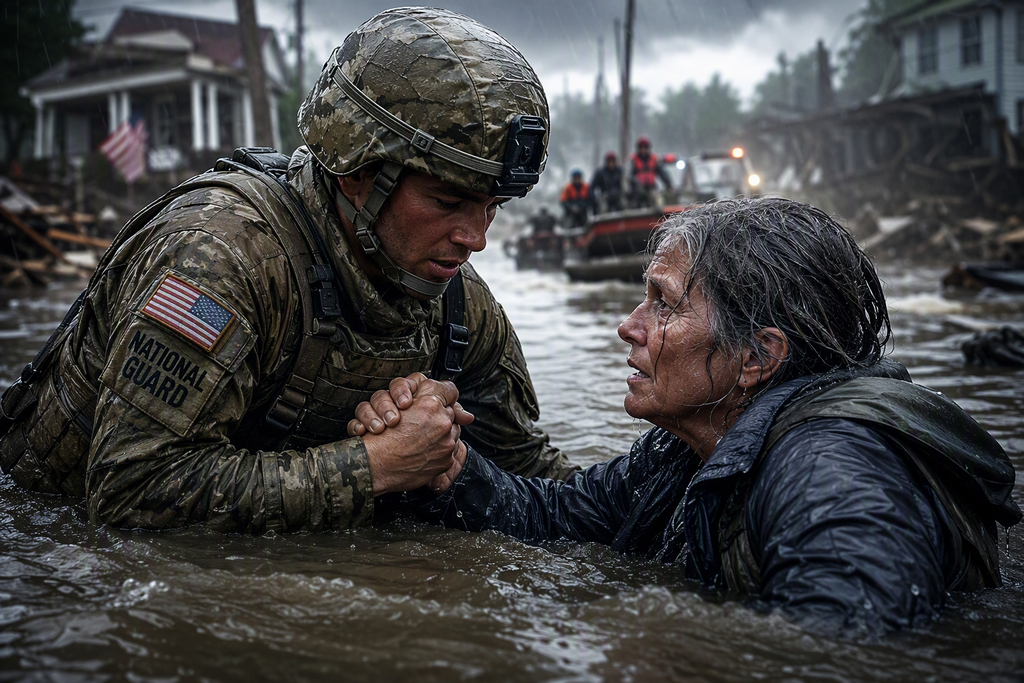
Natural disaster response is where many people first notice the national guard. When hurricanes, floods, or fires hit, national guard personnel can move into affected areas by air, land, and water. Their job is to support overwhelmed local systems and help communities function again.
Hurricane Katrina remains one of the clearest examples of why that role matters. The scale of destruction showed how badly states can need extra manpower and organized support. More recently, guardsmen responded to the Maui wildfire and to powerful Atlantic storms such as Hurricane Milton.
These missions are not limited to one region. The guard prepares each year for hurricanes in the Southeast and also supports response to floods and wildfires elsewhere. That repeated experience helps guard members work effectively under pressure when every hour counts.
Search and Rescue Operations
Search and rescue is a critical part of the guard’s emergency mission. In fast-moving emergencies, people may be trapped, missing, or cut off by damaged roads and collapsed services. Guard members can help reach those areas when civilian responders need more capacity.
Their support may include aircraft, ground teams, communications, and coordination around dangerous conditions. During the Maui wildfire response, for example, guard forces took part in search and recovery efforts while also helping maintain order in the affected area.
This work requires speed and discipline. It also requires the ability to operate in unstable environments. Because guard members train regularly and can be mobilized quickly, they are often a practical choice when lives are at risk and local agencies need immediate reinforcement.
Medical Support and Relief Efforts
The national guard also contributes to medical support and relief efforts during major crises. That became especially visible during the COVID-19 pandemic, when many states used guard members in federally funded but state-controlled missions to assist public response efforts.
In disaster response, medical support can include helping public systems under strain, moving supplies, and assisting with large-scale relief operations. The guard is not there simply to stand by. It helps organize practical services when normal systems are disrupted.
Relief efforts also go beyond health needs alone. Guard members may support distribution points, transportation networks, and other emergency functions that keep communities going. In that sense, the national guard plays a stabilizing role, helping people get through the hardest period after a crisis hits.
Civil Support Roles
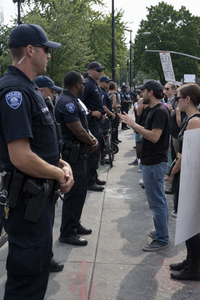
The national guard also supports civil authorities during tense domestic situations. That includes periods of civil unrest, security concerns, and public disorder when local agencies need added personnel or logistical help. In these moments, national guard units work in a support role rather than as a routine police force.
Its connection to law enforcement is shaped by legal limits and command status. Because that topic raises a lot of questions, the next sections explain what the guard can do, what it cannot do, and how communities benefit.
Assistance to Local Law Enforcement
The national guard can assist local law enforcement, but the rules depend on who controls the force. When activated by governors, guard members may support public safety operations during major disturbances or emergencies. When under federal status, legal limits become much tighter.
That is where posse comitatus matters. The Posse Comitatus Act generally restricts the federal use of the military in law enforcement roles. Presidents may get around that only in narrow circumstances, such as by invoking the Insurrection Act. These issues often draw review from courts, state leaders, and sometimes an attorney general.
- Under state authority, the guard may help police during emergencies
- Under federal authority, direct law enforcement is usually restricted
- Legal disputes often arise when federal domestic use appears too broad
So yes, the guard can be used in law enforcement-related support, but not under the same rules in every situation.
Maintaining Public Order During Crises
One of the guard’s domestic functions is helping maintain public order during crises. This tends to happen when protests, riots, or other disruptions become too large for local authorities to manage safely on their own. In those cases, governors may activate guard units to stabilize the situation.
That does not mean the guard replaces civilian government. Its role is usually to reinforce security, protect infrastructure, and create space for local agencies to do their jobs. During periods of civil unrest, this can include visible presence, transport support, and crowd-related missions.
The Posse Comitatus Act shapes how far these actions can go when federal forces are involved. That legal boundary is a major reason the national guard remains so important. Under state authority, it can respond to domestic crises in ways that ordinary federal military forces usually cannot.
Supporting Community Recovery Efforts
Once the immediate danger passes, the national guard often stays involved in community recovery. Recovery takes more than emergency vehicles and uniforms. It requires coordination, labor, transportation, and support for local systems trying to get back on their feet.
National guard members can help restore order after disruption and support services that allow normal life to restart. That may include supply movement, site security, or assistance around damaged public areas. In disaster response, those practical tasks are often what make long-term recovery possible.
This quieter phase matters just as much as the first response. Communities need help not only during impact, but also afterward. The guard’s value comes from being able to stay useful across both phases, from the first urgent call to the slower work of rebuilding stability.
Training and Preparedness
The national guard does not wait for a crisis to start preparing. Regular training and steady preparedness allow members to shift quickly from civilian life into military or emergency roles. That readiness is central to how the guard handles domestic missions and federal assignments.
The National Guard Bureau helps support that system across the country. Training, specialized skills, and partnerships all matter. The following sections show how the guard builds the capabilities it needs before emergencies ever begin.
Regular Training Programs and Readiness
Readiness starts with routine commitment. Many guard personnel train one weekend each month and complete additional service during the year. That schedule allows them to maintain military skills while also holding civilian jobs or attending school.
Regular training supports both local response and federal missions. Members need to be ready for disaster relief, public safety support, and overseas service. Because the guard can move between state and federal roles, its training has to prepare people for more than one type of mission.
As of fiscal year 2024, the guard included more than 427,000 members across the nation and territories. Keeping a force that large ready takes structure and consistency, as indicated by the Congressional Budget Office. The result is a pool of personnel who can respond quickly when governors or federal leaders call them into action.
Specialized Skills for Emergency Response
The national guard relies on specialized skills to handle modern emergency response. Some units focus on aviation, transportation, intelligence, communications, or search operations. Others support cybersecurity or complex coordination efforts that local agencies may not be able to manage alone.
These specialized skills make guard units useful in very different situations. A wildfire mission, an election security mission, and an overseas intelligence assignment do not require the same talents. The guard’s value comes from being able to bring the right mix of people and equipment to each task.
That flexibility also helps explain how the guard differs from forces such as the Marine Corps or other active-duty branches. The guard is built to connect military capability with domestic response needs. It is not just a backup force. It is a trained, adaptable part of national readiness.
Collaborations with Other Agencies
The national guard works closely with other agencies during emergencies because no single organization can handle every need alone. Effective response depends on coordination between military, civilian, and public safety systems. That is true in both sudden disasters and longer recovery operations.
These partnerships may involve the Department of Defense, state emergency offices, and local law enforcement. The guard can also support election authorities and other public institutions when security or logistics become major concerns. Working together helps reduce delays and confusion.
- It coordinates with the Department of Defense on federal missions and support
- It assists law enforcement under state authority during certain emergencies
- It supports community recovery by backing local and state response systems
This teamwork is a big reason guard operations can scale up quickly when the situation becomes more serious.
Service Opportunities and Commitment
For people considering military service, the national guard offers a different path from full-time active duty. It combines part-time military responsibilities with civilian life, which appeals to many students and working adults. That creates service opportunities with a local connection.
Still, joining is a real commitment. Members train regularly and can be activated for state or federal missions when needed. Before making that choice, it helps to understand the basic requirements, service length, and practical benefits.
Requirements to Join the National Guard
Joining the national guard means becoming part of a force that serves both community and country. The compiled information shows that many members serve part time while also working or attending school. Most serve in the states where they live, which gives the experience a strong local focus.
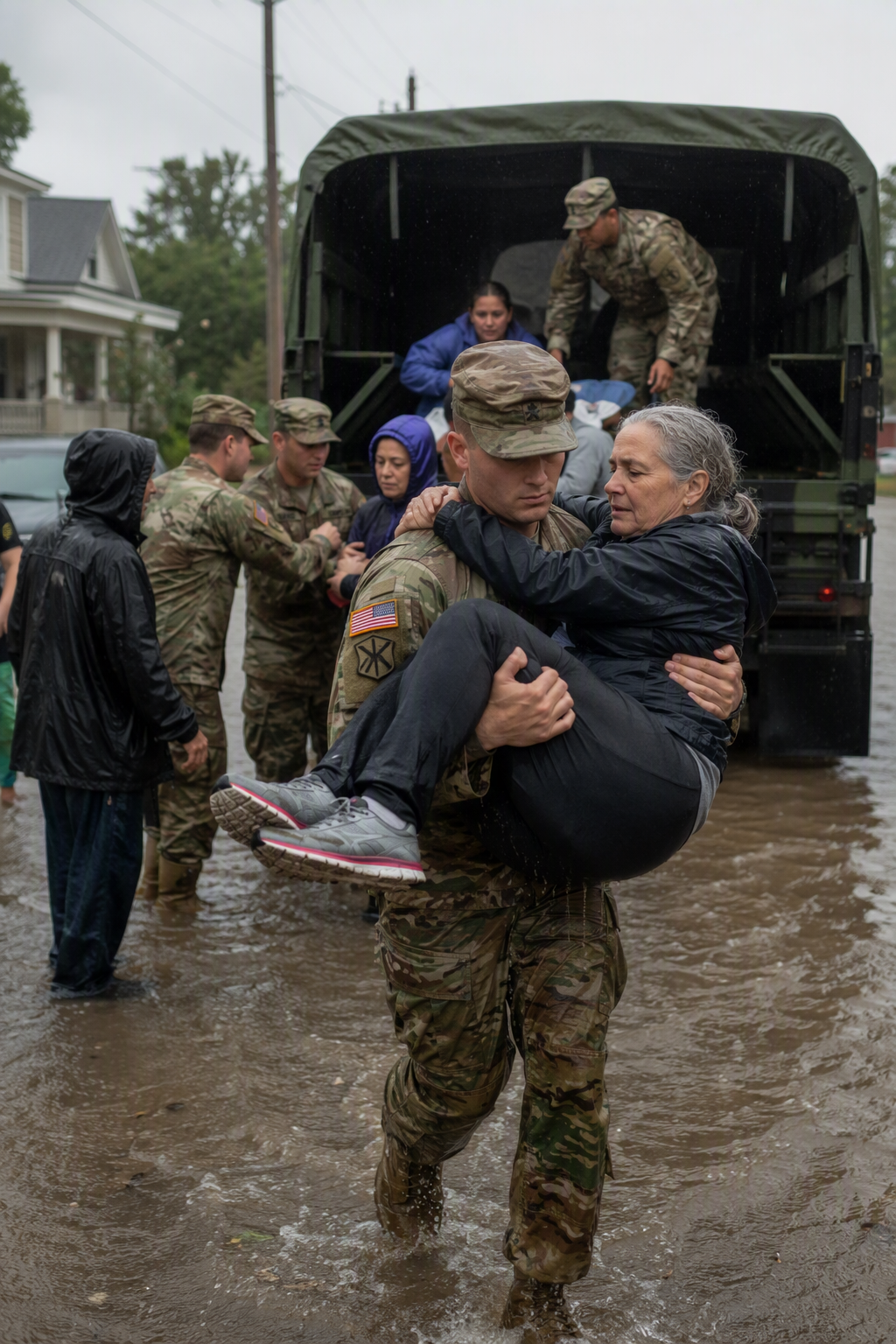
The guard is organized across all states as well as the District of Columbia and several territories. That means service opportunities exist in many places, not only in large military hubs. Specific enlistment details are handled by the guard’s own recruiting system and local organizations.
- Applicants join guard units connected to their state or area
- Service usually takes place close to where members live
- Members must be ready for both state and federal missions
If you are thinking about joining, the key point is simple: the national guard asks for flexibility, reliability, and willingness to serve when called.
Length of Service and Commitment
The national guard is often seen as part-time service, but the commitment of members of the national guard is still serious. Many national guard personnel train one weekend each month and complete at least a few additional weeks of service each year. That schedule forms the baseline for readiness.
What makes the commitment bigger is activation. Members may be called for state emergencies such as storms, unrest, or health crises. They may also enter federal missions, including longer deployments. State missions are often shorter, while federal assignments can last much longer.
So if you join, you are not signing up only for occasional drills. You are agreeing to serve when your state or country needs you. That blend of routine training and possible activation is what defines the guard’s commitment and gives the force its practical value.
Benefits of Serving in the National Guard
Serving in the national guard offers benefits that come from its dual role and part-time structure. For many people, the biggest advantage is the chance to serve in the armed forces while staying rooted in civilian life. That balance is a major reason the guard appeals to so many members.
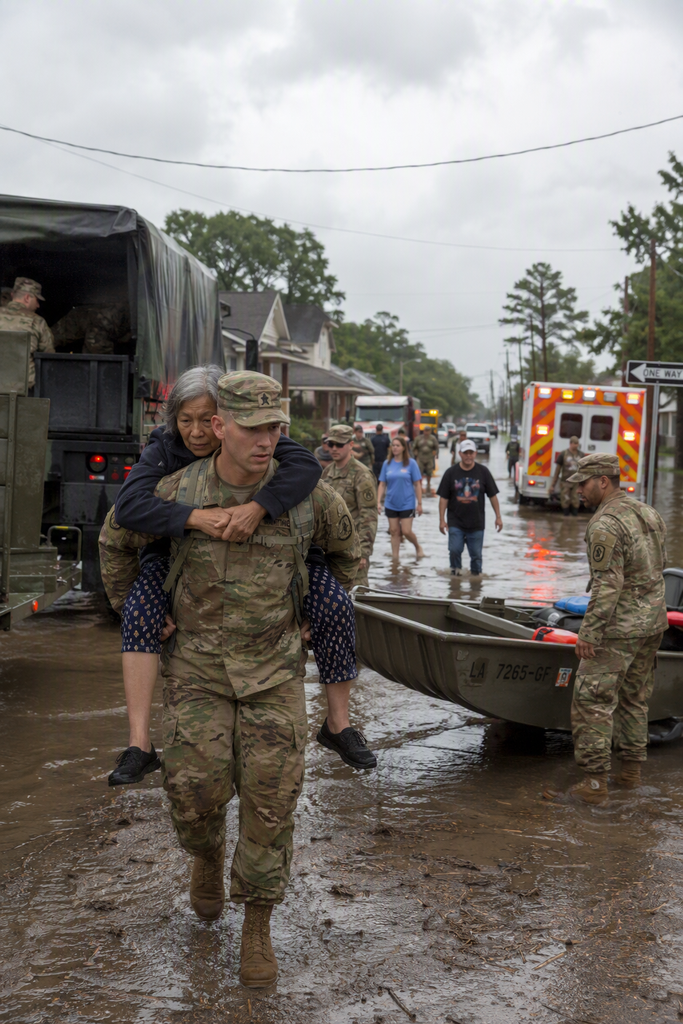
There is also a strong sense of direct impact. Guard members often help the same communities where they live. They may support disaster response one year and contribute to federal missions or overseas service another year. Few organizations offer that mix of local and national purpose.
- Part-time service can fit alongside work or school
- Members serve close to home in many cases
- The mission includes both community support and national defense
For someone who wants meaningful service without leaving civilian life behind, those benefits can be hard to ignore.
Conclusion
In summary, the National Guard plays a vital role in responding to emergencies and ensuring the safety of communities across the nation. Its unique structure allows for both state and federal mobilization, enabling swift action during crises such as natural disasters or civil unrest. With a strong emphasis on training and preparedness, members are equipped with specialized skills that enhance their effectiveness in various scenarios. Whether supporting local law enforcement or participating in humanitarian efforts, the National Guard proves its commitment to service and readiness. If you're considering a rewarding path that combines community support and personal growth, explore the opportunities available in the National Guard and how you can make a difference.
Frequently Asked Questions
What are common misconceptions about the National Guard?
A common misconception is that national guard personnel always act like federal troops. In reality, many missions happen under state control. Another misunderstanding is that they can always perform police duties during civil unrest. Federal law, including posse comitatus limits, can sharply restrict that role.
Can the National Guard be deployed internationally?
Yes. The national guard can serve abroad when placed in federal service by the federal government. These overseas deployments have included missions in Afghanistan, Iraq, Europe, the Pacific, and the Horn of Africa, where guard members work alongside other parts of the armed forces.
Who decides when the National Guard is called into action?
Usually, state governors decide when to activate the guard for local missions. In some cases, a president can place it under federal control. Debates over actions by President Trump showed how contested those Supreme Court actions can become. In rare situations, the Insurrection Act and court challenges involving an attorney general may matter.
https://en.wikipedia.org/wiki/National_Guard
https://web.archive.org/web/20100927100045/http://www.defense.gov/about
https://www.nationalguard.mil/About-the-Guard/How-We-Began
https://www.law.cornell.edu/uscode/text/10/246
https://www.nytimes.com/2024/03/06/nyregion/subway-national-guard-police.html
https://www.cfr.org/expert-brief/what-hurricane-miltons-damage-says-about-climate-preparedness
https://www.govinfo.gov/link/plaw/109/public/364
https://www.army.mil/article/44368/hurricane_katrina_response_national_guards_finest_hour
https://www.army.mil/article/70758/national_guard_marks_its_375th_birthday