Police Officers Procedures During a Protest Explained
 admin001
Understanding Police Officers Procedures During a Protest
Key Highlights
- Police officers at protests are expected to protect public safety while respecting free speech and peaceful assembly.
- Standard procedures focus on crowd control, crowd management, and limiting use of force whenever possible.
- Police response should distinguish lawful protest activities from criminal activity or an immediate threat.
- Intervention decisions usually follow a command hierarchy and rely on reasonable suspicion or probable cause.
- A dispersal order should be law enforcement’s last resort and must include clear orders, sufficient time, and an unobstructed exit path.
- Knowing your legal rights helps you respond calmly and document problems if rights are violated.
Introduction
Public protests can raise strong emotions, and police officers often play a visible role in those moments. That makes it important for you to understand how law enforcement is supposed to act, what steps are used to protect public safety, and where protesters’ rights fit into the process. When you know the basic procedures, police response becomes easier to follow. You are also better prepared to recognize when officers are acting within the rules and when important rights may be at risk.
The Role of Police Officers at Protests
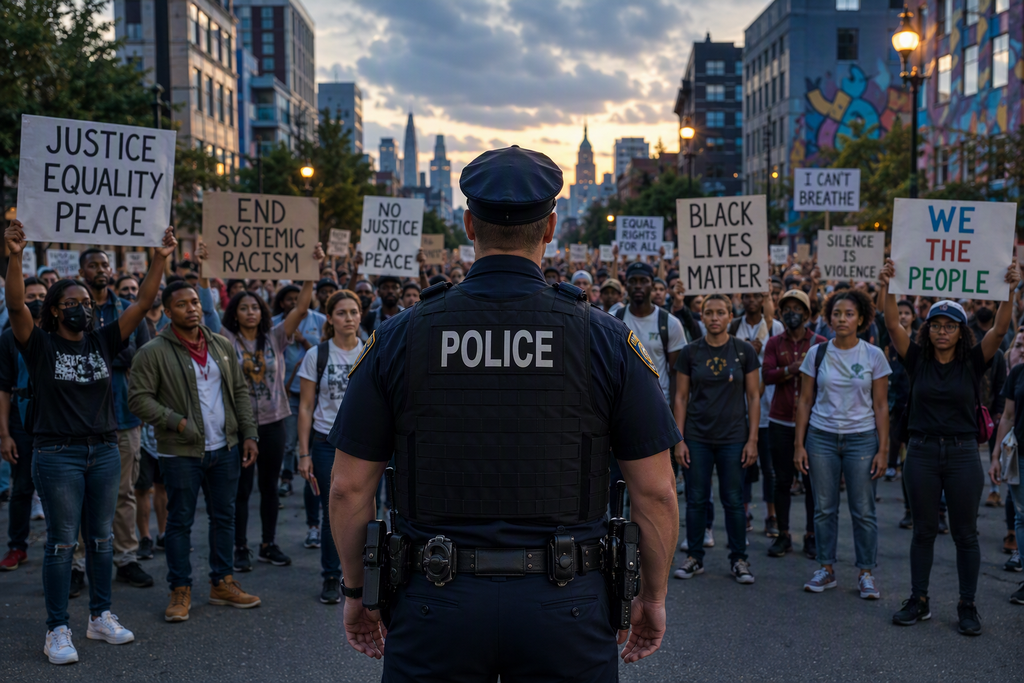
At public demonstrations, the role of police is supposed to center on protecting people and preserving public order without blocking lawful expression. Police officers manage movement, monitor conditions, and respond if a situation begins to threaten public safety.
At the same time, each police department has a duty to respect constitutional protections tied to speech and assembly. That balance is a core challenge for police forces and police agencies. To understand how that balance works in practice, it helps to look at safety procedures first.
Maintaining Public Order and Safety
In most protests, police officers use crowd control and crowd management to keep people moving safely and reduce the chance of panic or conflict. Law enforcement may watch routes, monitor changing conditions, and track whether the gathering is staying peaceful. The goal is not simply control. It is to support public safety for protesters, bystanders, and officers.
Still, intervention is not supposed to happen without a basis. If officers believe criminal activity is happening or about to happen, reasonable suspicion can shape what they do next. If there is an immediate threat, the police response may become more active to restore public order.
Even then, fundamental rights remain part of the equation. A protest does not lose protection just because it is loud or inconvenient. Officers are expected to address actual risks while allowing lawful expression to continue wherever possible.
Protecting Protesters’ Rights
Your First Amendment protections matter during public protests. Police officers are expected to respect constitutional rights tied to speech, protest, and freedom of assembly. In simple terms, that means people should be allowed to gather, speak, and express views through peaceful assembly without unnecessary interference.
A proper police response should focus on conduct, not viewpoint. If people are not creating a clear threat, officers should avoid actions that interfere with lawful protest rights. The compiled guidance also makes clear that police should help protect your right to protest, even though that does not always happen in practice.
That is why understanding your fundamental rights is so important. If officers stop you, staying calm, keeping your hands visible, and clearly stating that the First Amendment protects your actions may help. If your rights are violated, documenting names, badge details, patrol car numbers, and phone numbers of witnesses can support later action.
Common Procedures Followed by Police During Demonstrations
During public demonstrations, police officers generally follow procedures tied to monitoring the crowd, giving instructions, and deciding whether any safety risk requires action. A police department may also use observation, controlled movement, and communication to support crowd control and crowd management.
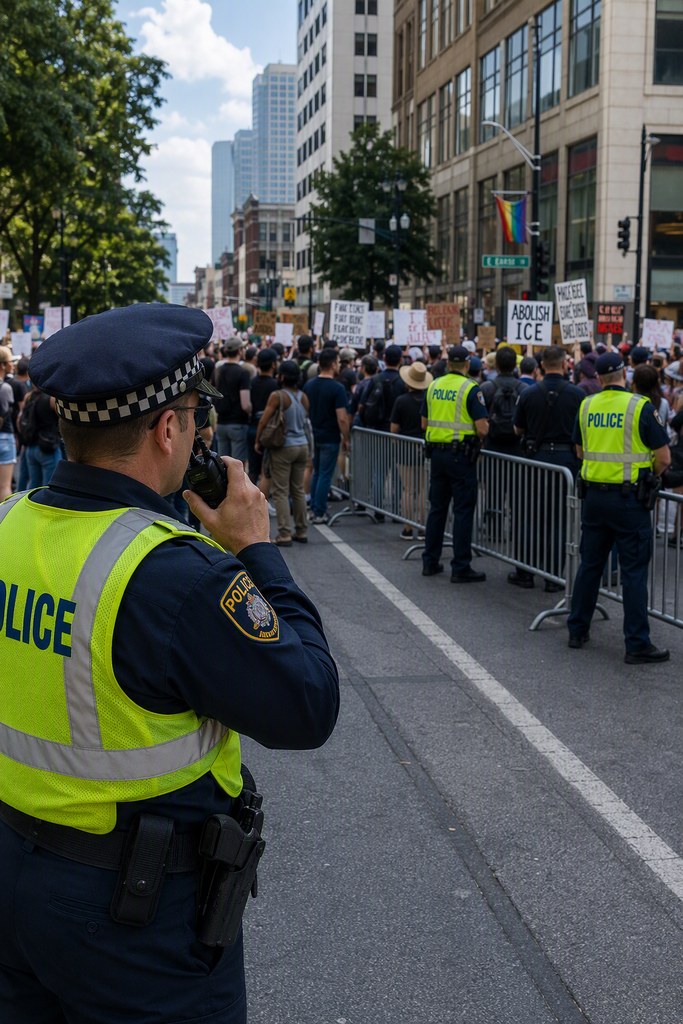
Just as important, the police response is supposed to limit use of force and rely on clear rules of engagement. Officers should separate peaceful conduct from unlawful behavior before stepping in. The next sections explain how those engagement rules and distinctions usually work.
Rules of Engagement and De-Escalation Techniques
Rules of engagement at protests are meant to guide how police officers act before force is considered. In a lawful setting, law enforcement should use communication and measured steps to protect public order. A key idea in the compiled information is that de-escalation is the responsibility of officers, not private citizens.
In practice, common de-escalation techniques and crowd management steps include:
- Giving clear orders and a clear message about what is expected.
- Allowing a reasonable opportunity to comply before enforcement action.
- Providing sufficient time and a clear exit route if a dispersal order is issued.
- Using force only when conditions justify it and lesser steps are not enough.
These steps matter because people need to understand what is happening. Transparent communication reduces confusion and can help lower tension. It also supports human rights by making police response more predictable for everyone in the crowd.
Differentiating Peaceful from Unlawful Protest Activities
Police do not automatically intervene just because a crowd is large or disruptive in a minor way. The compiled guidance says gatherings generally should not be broken up unless there is a clear and present danger of riot, disorder, interference with traffic, or another immediate public safety threat. That distinction is central to crowd management.
Here is a simple text table showing the difference:
| Peaceful assembly | Unlawful protest activities |
|---|---|
| Lawful expression of views | Criminal activity or actions tied to immediate danger |
| Protected protest rights remain in place | Public order concerns may justify intervention |
| Noise or minor violations of the law alone do not necessarily remove protection | Present danger of riot, disorder, or major interference can trigger action |
| Police should allow activity to continue where possible | Police may move toward enforcement or dispersal steps |
So how do police decide when to intervene in a protest? They look for conduct, not just disagreement or inconvenience. When the facts point to genuine risk rather than peaceful assembly, intervention becomes more likely.
Decision-Making Process for Police Intervention
Police intervention usually follows a command hierarchy rather than a random choice by individual officers. In a protest setting, the police department weighs public safety conditions, what officers are observing, and whether the situation calls for warnings, monitoring, or direct action.
Legal thresholds matter as well. Reasonable suspicion may support a stop, while probable cause is required for an arrest. If officials consider a dispersal order, that step should come only after serious concerns arise. The next sections cover guidance and how responses differ between peaceful and violent protests.
Guidance and Best Practices for Law Enforcement
Guidance for law enforcement managing protests centers on safety, lawful process, and clear communication. Across police agencies, the compiled information points to several core ideas: protect protest rights, avoid unnecessary escalation, and make enforcement decisions based on real threats rather than the mere presence of a crowd.
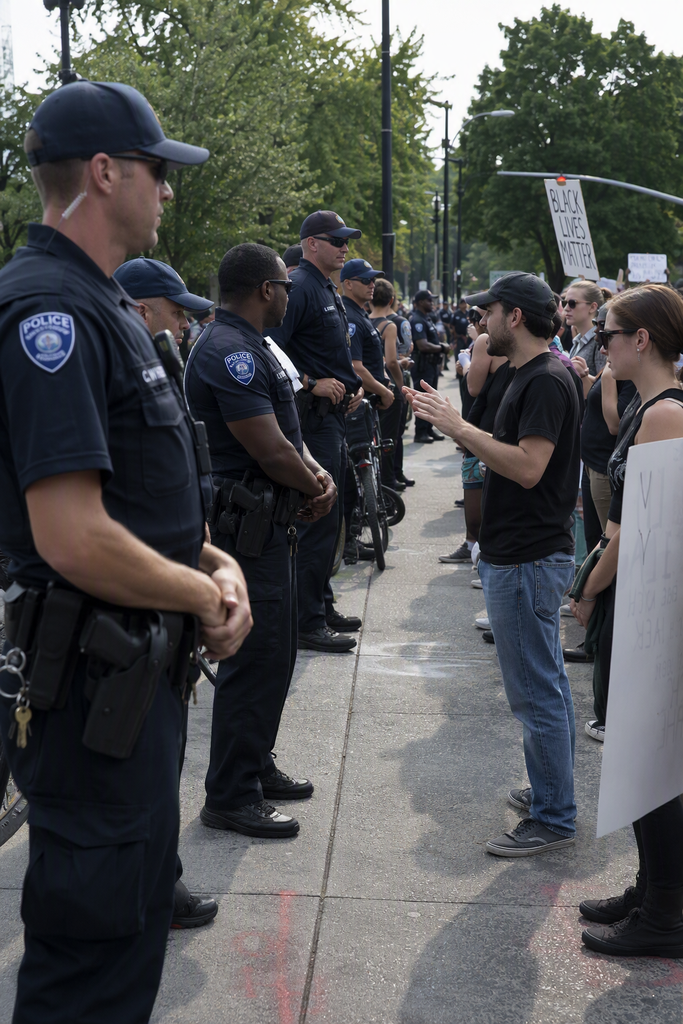
Common best practices include:
- Treating a dispersal order as a last step, not a first move.
- Giving detailed notice, sufficient time, and an unobstructed exit path before arrests for failure to disperse.
- Using open communication to reduce confusion and support public safety.
There is also value in community policing principles, even in tense moments. When a police department communicates clearly and acts predictably, trust can improve. That does not erase conflict, but it can support safer interactions between officers and the public during demonstrations.
Steps for Handling Peaceful Versus Violent Protests
When people are engaged in peaceful participation, the expected police response is restraint. Officers should allow the protest to continue while using crowd control only as needed to support movement, safety, and access. A lawful gathering should not be ended simply because it is critical of the government or draws attention.
Violent protests are different because public safety risks increase. If there is criminal conduct, a present danger of riot, or another immediate threat, police may move from monitoring to enforcement. Even then, the compiled information stresses that a dispersal order is law enforcement’s last resort.
Before stronger action, officers should provide detailed notice of a dispersal order, enough time to comply, and a clear exit route. Tools linked to use of force, such as tear gas or baton use, are associated with escalation and should not come before lawful warnings and opportunity to leave.
Conclusion
In conclusion, understanding police officers' procedures during protests is crucial for fostering a safe and respectful environment for both demonstrators and law enforcement. By maintaining public order while respecting the rights of protesters, police can effectively navigate the complexities of these events. It's important to be aware of common procedures, rules of engagement, and best practices that guide officers in their decision-making process. This knowledge not only empowers protesters but also promotes transparency and accountability within law enforcement. If you have further questions about police procedures or wish to dive deeper into this topic, feel free to reach out for more information.
Frequently Asked Questions
How do police ensure protesters’ rights are respected?
A police department is expected to respect the First Amendment during public demonstrations by allowing lawful speech and assembly to continue. Protecting protest rights means officers should focus on actual threats or criminal conduct, not viewpoint, while avoiding unnecessary interference with constitutional rights.
What happens if proper procedures aren’t followed?
When law enforcement or police officers ignore required procedures, public safety can suffer and civil rights may be violated. The police department may face complaints, legal scrutiny, or loss of trust. People affected may document what happened and seek help through internal complaints or legal support.
How should protesters respond to police presence?
During public protests, try to stay calm, keep your hands visible, and avoid arguing or resisting, even if the police response feels wrong. If safe, state your legal rights and ask whether you are free to leave. That approach supports peaceful assembly and mutual understanding.